Catch Roof Problems Early and Protect Your Home
A small roof problem can turn into a big headache if it sits too long, especially with our mix of sun, wind, rain, and snow in Connecticut. Regular, simple checks from your yard can help catch issues early before they grow into leaks or major roof repair work. You do not need to climb a ladder or walk on the roof to spot many common warning signs.
By taking a few minutes to look over your roof, gutters, and ceilings every so often, you can help protect your home and your peace of mind. There are plenty of safe signs you can watch for with just your eyes, or maybe a pair of binoculars, from the ground. When something looks off, a professional roofing contractor can step in and handle the hard and risky work for you.
Signs Your Shingles Are Asking for Help
Your shingles are the first line of defense against New England weather. Over time, they can wear out from age, sun, heavy rain, and our freeze-thaw cycles. You can often see early trouble just by standing in the yard or at the sidewalk and looking up.
Watch for shingle issues like these:
- Edges that are curling, cupping, or lifting
- Shingles that look cracked, split, or broken
- Dark patches or bare spots where shingles seem to be missing
- Areas that look wavy or uneven compared to the rest of the roof
When shingles lose their shape, they are not sealing as well as they should. Repeated freezing and thawing can make weak shingles curl up. Strong sun in the summer can dry them out and make them brittle. Over time, this can let water sneak in under the shingle layer, leading to leaks and damaged wood.
If you see:
- Large sections with missing or damaged shingles
- Shingles that blow off again and again after storms
- Noticeable sagging or dips in the roof line
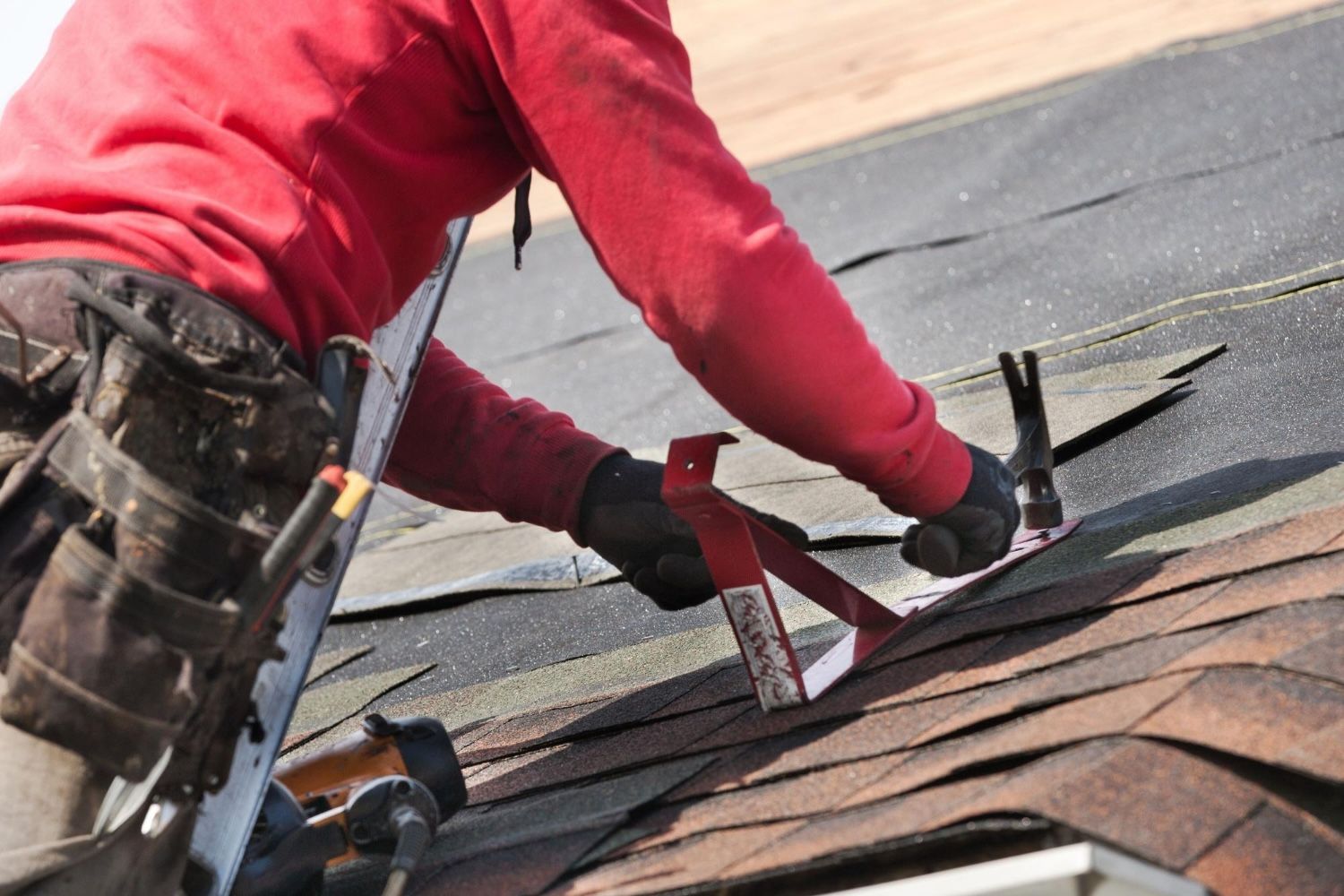
it is time to call a roof repair professional. A roofing contractor can check if you only need local repairs or if there is a bigger problem with the roof system.
What Your Gutters and Downspouts Reveal
Gutters and downspouts may not seem like part of your roof, but they tell a big part of the story. When water cannot move away from your home the right way, it can back up and affect the roof, fascia, and even your siding.
From the ground, look for signs like:
- Gutters that overflow in even moderate rain
- Sections that sag or bow away from the house
- Gaps where the gutter is pulling from the fascia board
- Water spilling directly behind the gutter instead of flowing to the downspout
Another simple thing to watch for is what your gutters are catching. When shingles wear out, they shed small colored granules, which often collect in gutters or near downspout exits. After a stretch of heavy fall rain, take a look at the ground below your downspouts. If you notice piles of coarse, sand-like granules there, or see this in your gutters during cleaning, your shingles may be losing their protective top layer.
If your gutters clog often, pull away from the home, or you see steady granule buildup, it can be a sign the roof is aging or under stress. A professional roof inspection can help find the source of the problem and stop water damage before it spreads.
Spotting Water Stains and Interior Warning Signs
You do not always have to look outside to spot roof trouble. The inside of your home can give you helpful clues too. Many roof leaks start small, and you might notice changes in your ceilings and walls before you ever see dripping water.
Keep an eye out for:
- Yellow or brown stains on ceilings or upper walls
- Peeling paint or wallpaper near the ceiling line
- Bubbling or soft drywall spots
- Musty odors in upstairs rooms, closets, or the attic
Not every stain means your roof is actively leaking at that exact moment. Sometimes, a small amount of water seeps in during heavy rain, then slowly dries. But even slow moisture over time can damage insulation, wood framing, and drywall. In cold weather, trapped moisture can also freeze, expand, and make tiny gaps larger.
If you see new stains or notice older stains growing in size or changing color, make a note of:
- The room and exact spot of the stain
- Rough size of the stain
- Whether it seems to appear or grow after rain or snow
Sharing these details with a roofing professional can help them trace the source more quickly and suggest the right repair before colder temperatures arrive.
Watching Flashing, Chimneys, and Roof Edges From the Ground
Flashing is a thin piece of metal that seals the spaces where the roof meets things like chimneys, vents, and skylights. These areas are common leak points, especially after strong wind or heavy storms. You can often check their general condition safely from the ground.
From your yard, driveway, or sidewalk, look for:
- Metal that looks bent, loose, or lifted at the edges
- Gaps between the chimney and roof where you can see daylight
- Dark lines or streaks that could show water runoff from a bad joint
- Crumbling or missing mortar on the chimney itself
Along roof edges, scan for drip edges or trim that appear crooked or loose. If you have binoculars, you might also spot dried, cracked, or missing sealant around vent pipes or skylights.
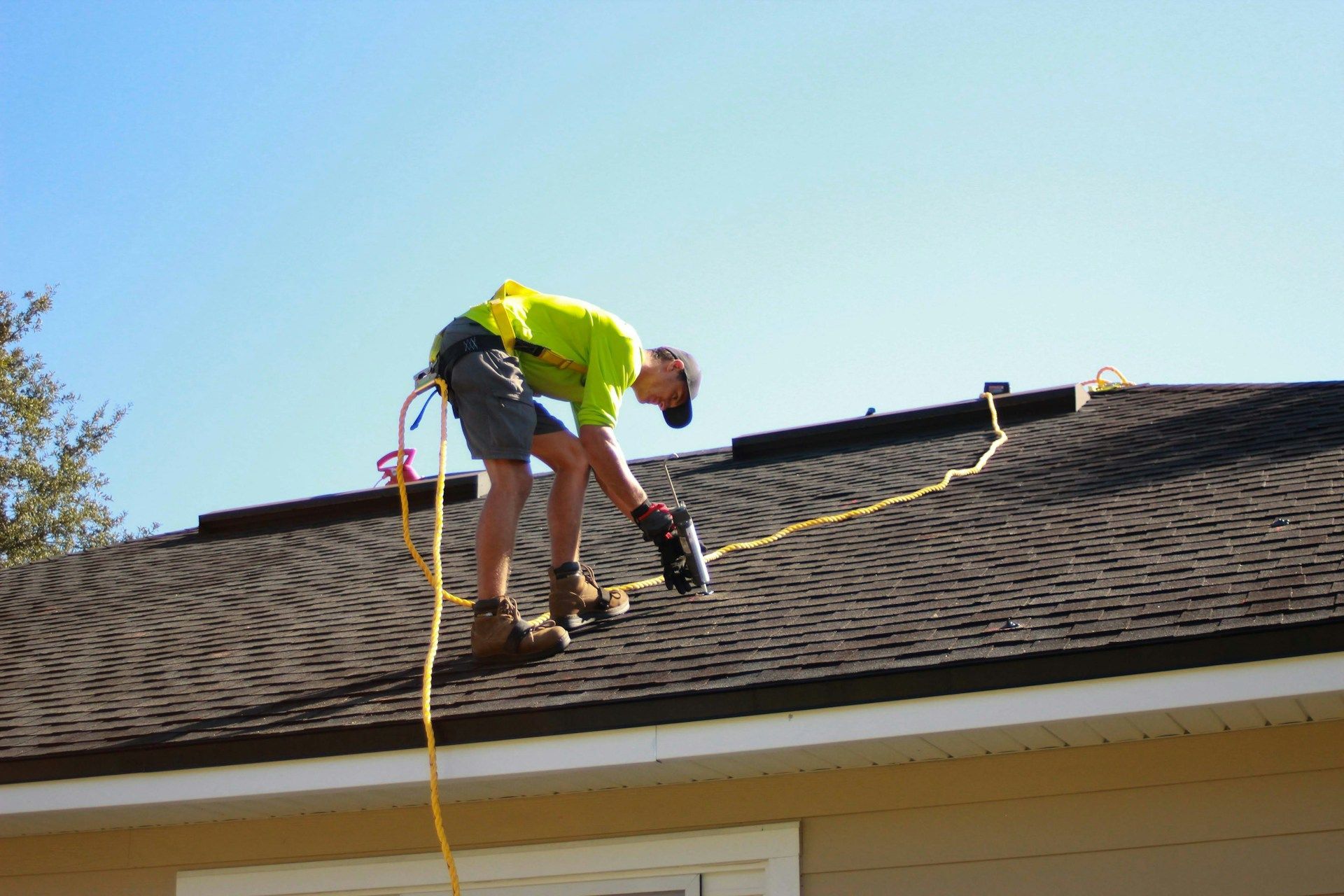
If anything around your chimney, vents, skylights, or roof edges looks like it has shifted out of place, avoid the urge to climb up for a closer look. Roofs can be slippery, and even a gentle pitch can be dangerous. A trained roofing contractor has the right safety gear and experience to inspect and repair these delicate areas.
Seasonal Roof Checkups Before Connecticut Winters
As we head into colder months, a quick seasonal roof check can help your home handle snow, ice, and big temperature swings. Litchfield County homes see a bit of everything, and winter weather can make small roof issues worse in a hurry.
There are a few simple things homeowners can safely do each fall:
- Look for leaves, sticks, and other debris gathering in roof valleys
- Check for tree branches hanging over or touching the roof
- Think back to any ice dams that formed on roof edges last winter
- Watch for areas where snow tends to sit longer than the rest of the roof
Debris in roof valleys can hold moisture and speed up wear. Overhanging branches can scrape shingles in the wind or drop heavy limbs during storms. If you had ice dams in the past, that can point to heat loss or poor attic ventilation, which a roofing professional can evaluate.
A yearly professional inspection, paired with your own simple visual checks, can help catch small problems before snow load and ice make them worse. Regular care can also support longer roof life and better performance through every season.
When to Call a Professional for a Closer Look
Being proactive about roof repair does not mean you need to climb a ladder or walk on the roof. By watching for everyday warning signs like damaged shingles, stressed gutters, indoor water stains, and trouble around chimneys or roof edges, you can play a big part in protecting your home.
Any time you notice widespread shingle damage, repeated storm issues, steady granule loss, growing stains inside, or visible movement in flashing or chimney areas, it is a good idea to have a roofing contractor take a closer look. A trusted professional can provide clear explanations, honest recommendations, and repairs that help keep your home dry and secure, season after season.
Protect Your Home With Trusted Roof Repair Today
If your roof is showing signs of wear, we are ready to inspect the damage and recommend the right fix before minor issues become costly problems. Learn how our expert
roof repair services can extend the life of your shingles and improve your home’s protection. At Shingle Brothers, we take the time to explain your options clearly so you can make an informed decision. Reach out today to schedule an appointment or request a quote through our
contact page.