Make Smart Gutter Choices Before Fall Storms Hit
Gutter installation might not be the most exciting home project, but it has a big job. Good gutters help move water off the roof and away from your home or business before it can cause trouble. Waiting until after the first big fall storm usually means working in bad weather and rushing decisions.
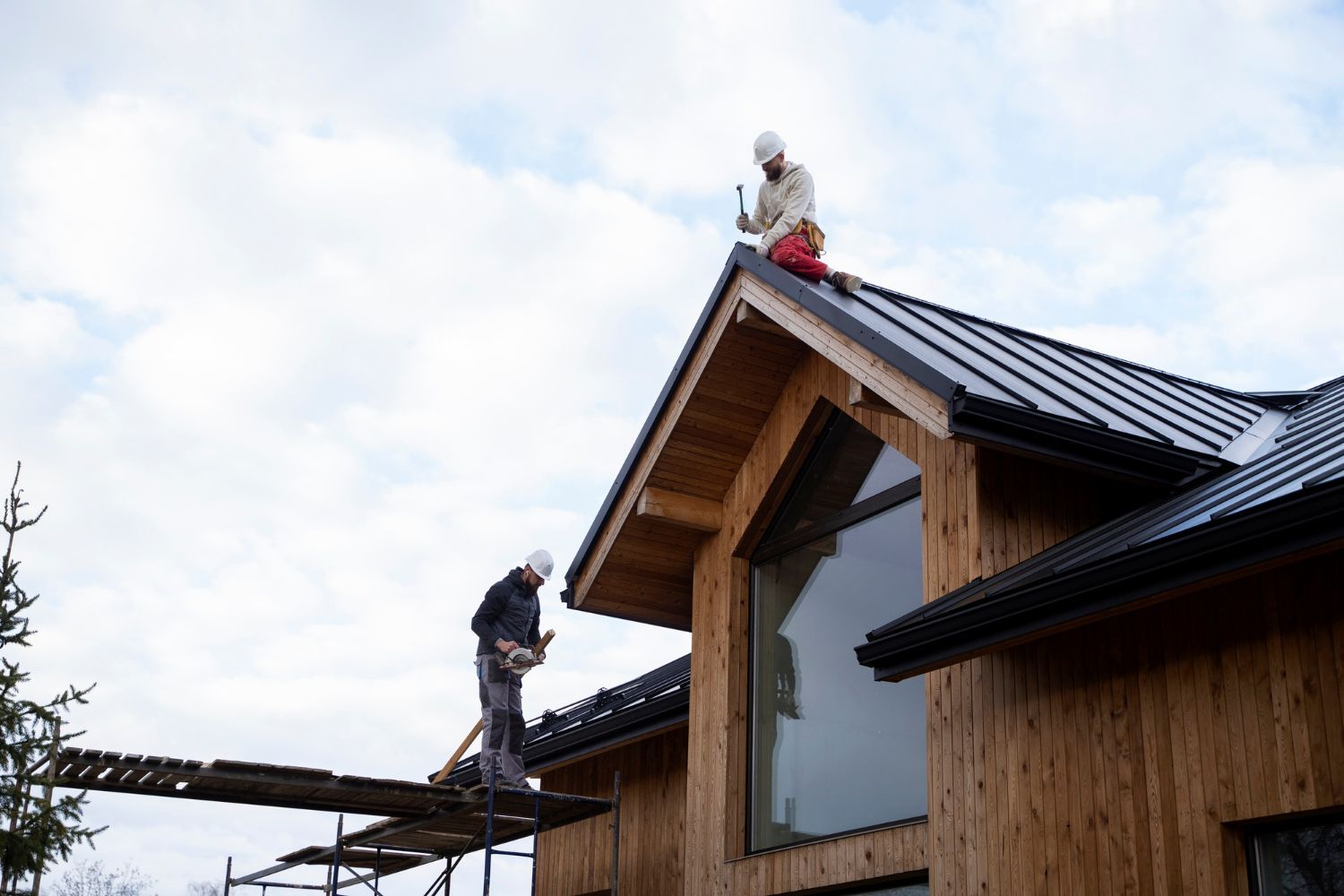
Late summer in Litchfield County gives you a window of warm, mostly dry days. It is the right time to look at your roof edges, check your gutters, and plan any upgrades before heavy fall rain and early snow show up. With better weather and more flexible scheduling, you can spot and fix roof or fascia issues before new gutters go on.
As a GAF Certified roofing contractor, we pay attention to how gutters and roofs work together. Our focus is on practical, long-lasting choices, not quick patches. Below, we walk through how Connecticut weather affects gutters, what timing makes sense, and what to think about so your system works well for the long haul.
How Connecticut Weather Affects Your Gutters
In Litchfield County, gutters see all kinds of stress during the year. Summer can bring short, heavy downpours. Fall adds piles of leaves and twigs. Winter brings snow, ice, and freeze-thaw cycles. Spring can mean steady rain and snowmelt all at once.
If gutters are clogged or too small, water has nowhere to go. That can lead to:
- Water spilling over the edge and soaking siding and trim
- Rotting fascia boards where gutters pull away
- Ice buildup along the roof edge that can turn into ice dams
- Water pooling near the foundation and seeping toward the basement
Gutters work only when water flows in the right direction, at the right speed. That means the pitch has to be correct so water does not sit in the trough. Hangers need to be strong and spaced correctly so sections do not sag. Downspouts must be placed in smart spots and sized well so they can handle heavy rain.
A professional inspection during summer can pick up:
- Loose spikes or hangers
- Weak seams or small leaks
- Sections that bow or hold standing water
- Spots where water appears to overshoot or overflow
Catching these things now is much easier than trying to fix them during a cold, windy storm later on.
Summer Gutter Installation Timing and Planning
Late summer is one of the best times to plan gutter installation or replacement. The days are longer and the weather is more predictable, which makes outdoor work safer and smoother. It is also easier to see any roof, fascia, or soffit damage that should be fixed before hanging new gutters.
Coordinating gutter work with a roof inspection or planned roof replacement can give you a stronger system overall. When the roof and gutters are planned together, they support each other better and tend to last longer. You avoid putting fresh gutters on rotten wood or installing downspouts that do not match new roof drainage.
A typical process with a roofing-focused contractor often includes:
- On-site assessment of roof edges, fascia, and current gutters
- Measuring roof lines and checking how water drains off different slopes
- Looking at grading and where water currently lands on the ground
- Talking through material choices, gutter size, and profile options
- Planning the installation date before the peak of fall rain and leaf drop
By planning ahead, you reduce the odds of scrambling after a first big storm. You also get more flexibility on timing and product options, instead of being stuck with whatever is available during a rush.
Choosing the Right Gutter System for Your Home
Not all gutter systems are the same, and Connecticut weather can be tough on the wrong setup. Material is one of the first decisions. Some common options include:
- Aluminum, lightweight, does not rust, and works well for most homes
- Steel, stronger and more resistant to impact, but can rust if the finish is damaged
- Copper, very durable with a distinctive look, often used where appearance matters most
Our climate includes hot summer days and cold winter nights, so expansion and contraction matter. Materials need to handle those swings without warping or pulling away.
Size is another key factor. Many homes use 5-inch gutters, but 6-inch gutters can move more water. The right choice depends on:
- Roof size and slope
- How many roof surfaces drain into each section
- How heavy the typical rainfall is in your area
For a steep or large roof, larger gutters and downspouts can help keep water inside the system during strong storms instead of spilling over the edge.
You will also choose between sectional and seamless gutters. Sectional systems are made from smaller pieces joined together, which means more seams and potential leak points. Seamless gutters are formed from one long piece for each run, cut on-site to fit. When installed correctly, seamless systems can reduce leaks and long-term maintenance.
Gutter guards can be helpful under heavy tree cover. They can:
- Cut down on leaf and debris buildup
- Reduce how often full cleanings are needed
- Help keep downspouts from clogging
However, they do not remove the need for checks and care. Smaller debris, seeds, and grit can still collect. Honest advice means talking about what guards can and cannot do, so you have realistic expectations.
Protecting Roofs and Foundations with Better Drainage
Good gutters protect more than just the roof edge. When water is controlled, it helps shield:
- Shingles and underlayment from repeated edge saturation
- Siding and trim from constant drip and splash-back
- Foundations and basement walls from pooling water
Downspout placement is just as important as the gutters themselves. Water should move away from the house or building, not right next to it. On sloped lots, this might mean using extensions or directing water toward a safer part of the yard so it does not run over walkways or driveways and freeze in winter.
Even the best system still needs care. Regular cleaning and quick seasonal checkups keep gutters working the way they should. After a strong summer storm or during leaf season, a professional can make sure:
- Gutters are clear and flowing
- Hangers and fasteners are tight
- Sealant at corners and end caps is in good shape
- No new sagging or pulling is starting
A roof- and gutter-focused contractor looks at the full picture, not just the metal trough. That means checking shingles, flashing, fascia, soffits, and drainage on the ground, then recommending changes that help prevent problems instead of only reacting to them.
Schedule a Summer Gutter Checkup with Shingle Brothers
Late summer is a smart time for homeowners and business owners in Litchfield County to get ahead of fall and winter weather. A roof and gutter checkup now can uncover small issues before they grow into leaks, rot, or foundation concerns. When gutters, downspouts, and roofing work as one system, your property is better protected from top to bottom.
At Shingle Brothers, we focus on clear explanations, honest recommendations, and work that holds up through New England seasons. Thoughtful gutter installation and maintenance is one of the simpler ways to guard your roof, structure, and interior, giving you more peace of mind when the next round of storms arrives.
Get Started With Your Project Today
If you are ready to protect your home with reliable water management, our team at Shingle Brothers is here to help. Learn more about our professional
gutter installation services and how we tailor every project to your home’s needs. Have questions or want to schedule an appointment? Simply
contact us and we will walk you through the next steps.