Know What to Expect From a Professional Roof Check
A roof maintenance visit is one of the simplest ways to keep water out of your home or business and avoid surprise repairs. In Connecticut, our roofs see hot sun, heavy snow, ice, and quick summer storms, so small issues can grow if no one is checking on them. A good maintenance visit is meant to find those early warning signs and keep your roof working the way it should.
When a professional roofer comes out, the goal is safety, clear information, and prevention, not scare tactics. The visit should feel organized and calm. You should know what the crew is looking at, what they find, and what is actually worth fixing now versus watching over time.
At Shingle Brothers, we are a GAF Certified roofing contractor based here in Litchfield County. We follow a clear, consistent process on every roof maintenance visit in Connecticut and leave you with a written report, so you are never guessing about what is happening over your head.
How a Roof Maintenance Visit Starts Before Anyone Goes on a Ladder
A solid roof check starts before anyone steps off the ground. First, we schedule the visit and collect some basic details. This helps us show up prepared with the right tools, safety gear, and crew.
Before the visit, we usually confirm things like:
- Roof type and approximate age
- Any known trouble spots, like leaks, stains, or missing shingles
- Access points, including driveway space and safe ladder locations
- Whether there are pets, locked gates, or special property notes
On the day of the visit, we look at weather conditions and wind. We want dry surfaces and safe footing. If we are using ladders, equipment, or roof anchors, we plan where they will go so they will not harm siding, gutters, or landscaping. Protecting your property matters as much as protecting our crew.
Next, there is a ground-level walk-around the building. During this step, we typically:
- Look at the overall roof line for sagging or uneven areas
- Check gutters and downspouts for visible clogs or damage
- Notice siding, trim, and fascia that may show water stains
- Watch how the property slopes and where water may be draining toward the foundation
This first look gives us clues before we even climb. It helps us focus on areas that may need extra attention once we are on the roof.
Step-by-Step Roof Inspection During Your Maintenance Visit
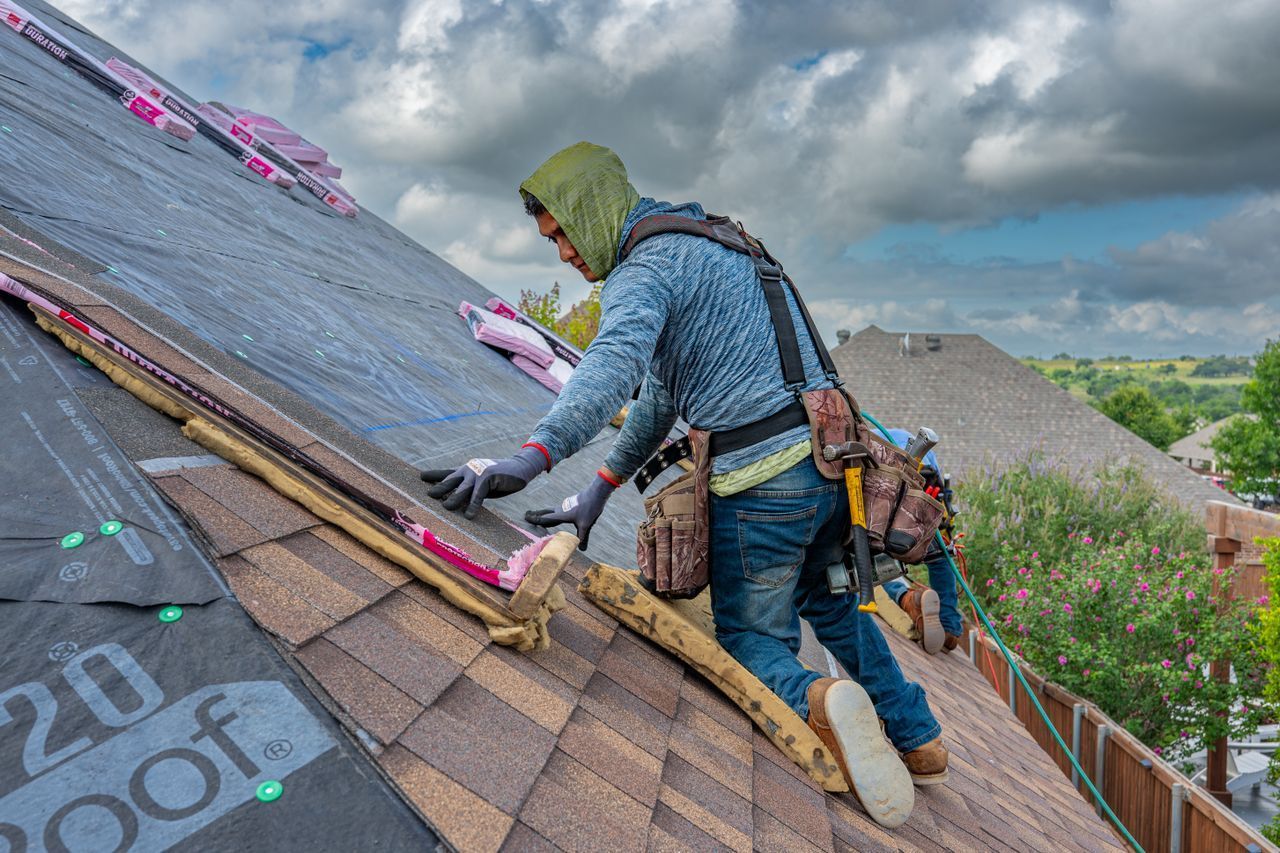
Once it is safe to do so, we move to the roof level. We start with the main roof surface and work across the different sections in a careful pattern so nothing is skipped.
For the exterior roof surface, we check:
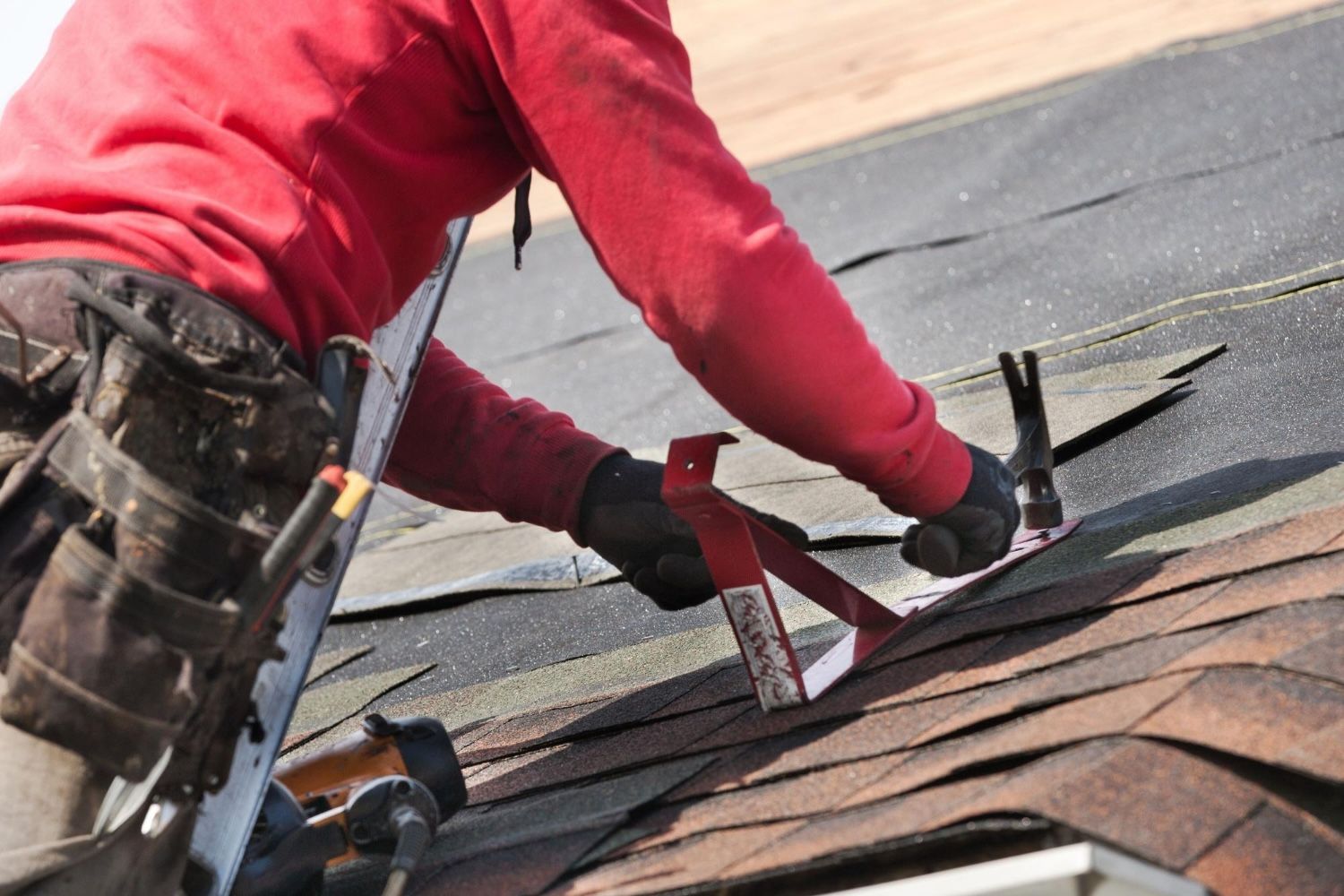
- Shingles for cracks, curling, bruising, or missing tabs
- Signs of impact from hail or fallen branches
- Granule loss on asphalt shingles that can point to wear
- Nails that are backing out or fasteners that have shifted
Connecticut weather can be tough on flashing and roof edges, so we spend time around the details. We look closely at chimneys, skylights, pipe boots, and vents. We check for:
- Gaps or open seams where water could sneak in
- Rusted metal or flashing that has pulled away from brick or siding
- Sealants that are dried, split, or peeling
We also pay attention to roof structure and drainage. Even a strong roof can have weak spots if water is not moving the way it should. During this part, we may:
- Test areas that feel soft underfoot, which can point to damaged decking
- Look for low spots where water might pond
- Inspect gutters from above for clogs, loose hangers, or standing water
- Check ridge vents and other ventilation parts to see that air can move freely
If your building has multiple roof levels or sections, we review each one. Valleys, where two roof planes meet, get special care because they handle a lot of water in a short time during heavy storms.
Tools and Technology a Pro Brings to Your Roof
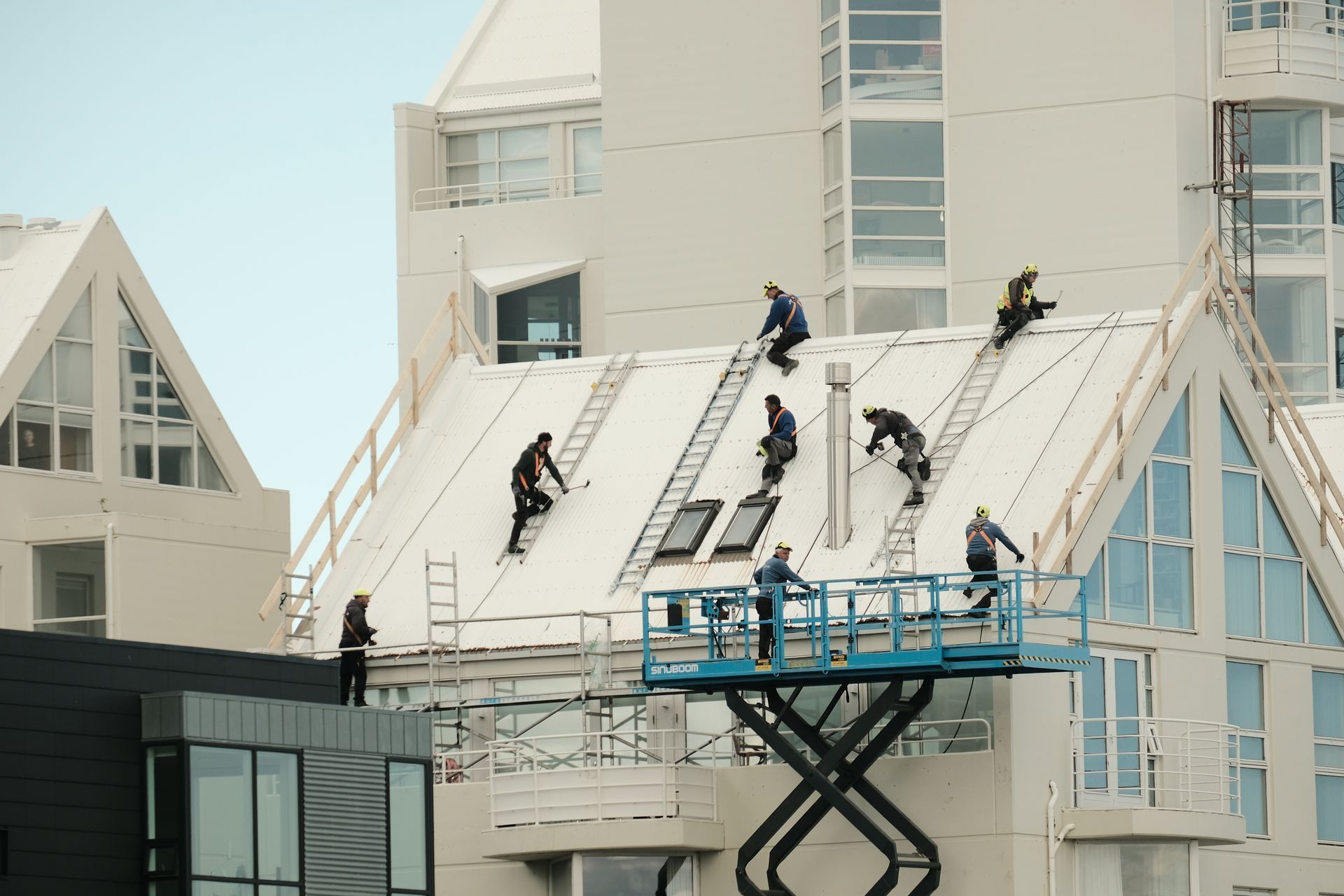
A professional roof maintenance visit in Connecticut is not just a ladder and a hammer. We bring safety gear, inspection tools, and digital tools that help us see and record what is going on.
Common safety equipment includes:
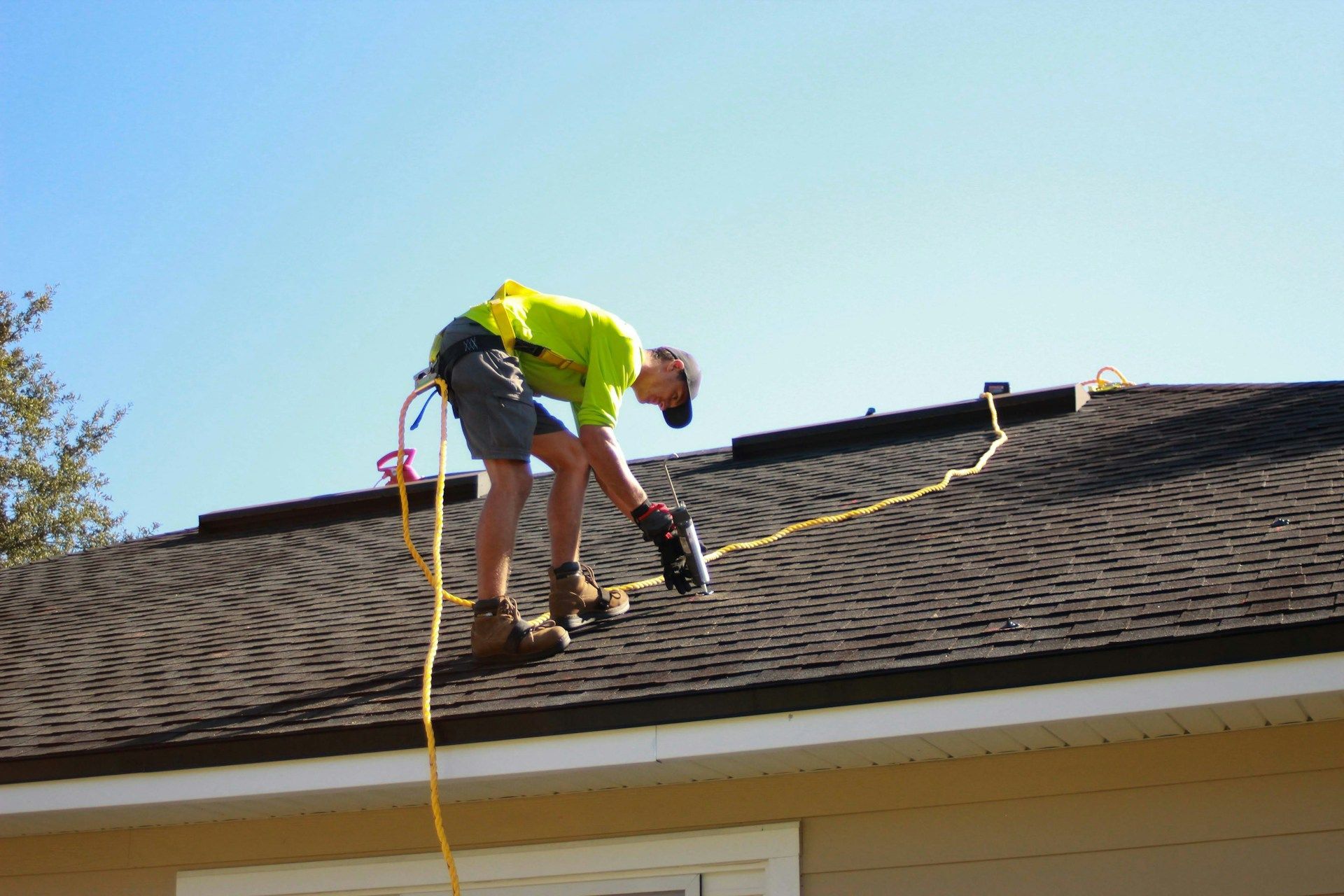
- Ladders set at safe angles and tied off where needed
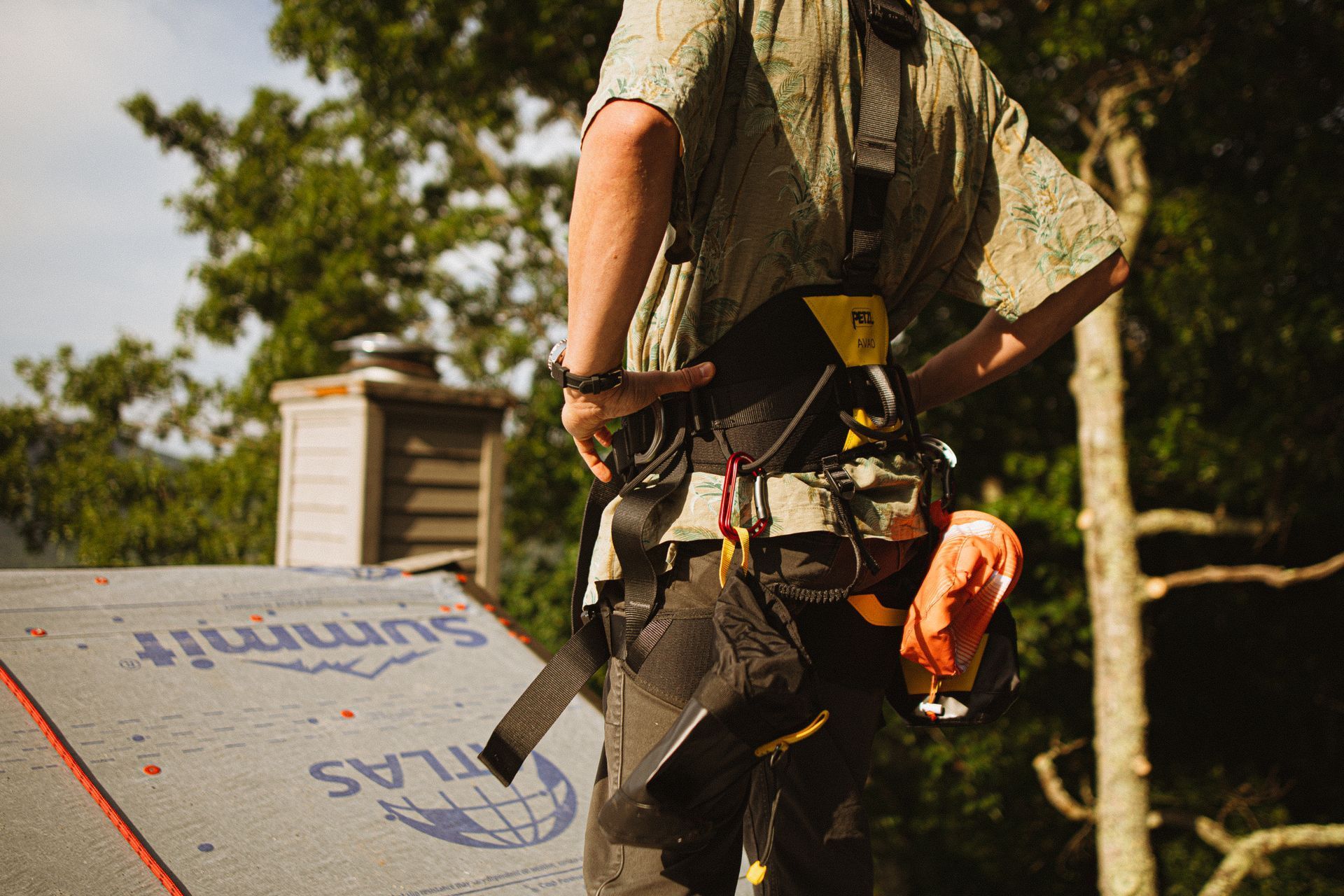
- Roof anchors and lifelines on steep or high areas
- Footwear with strong grip for different roof surfaces
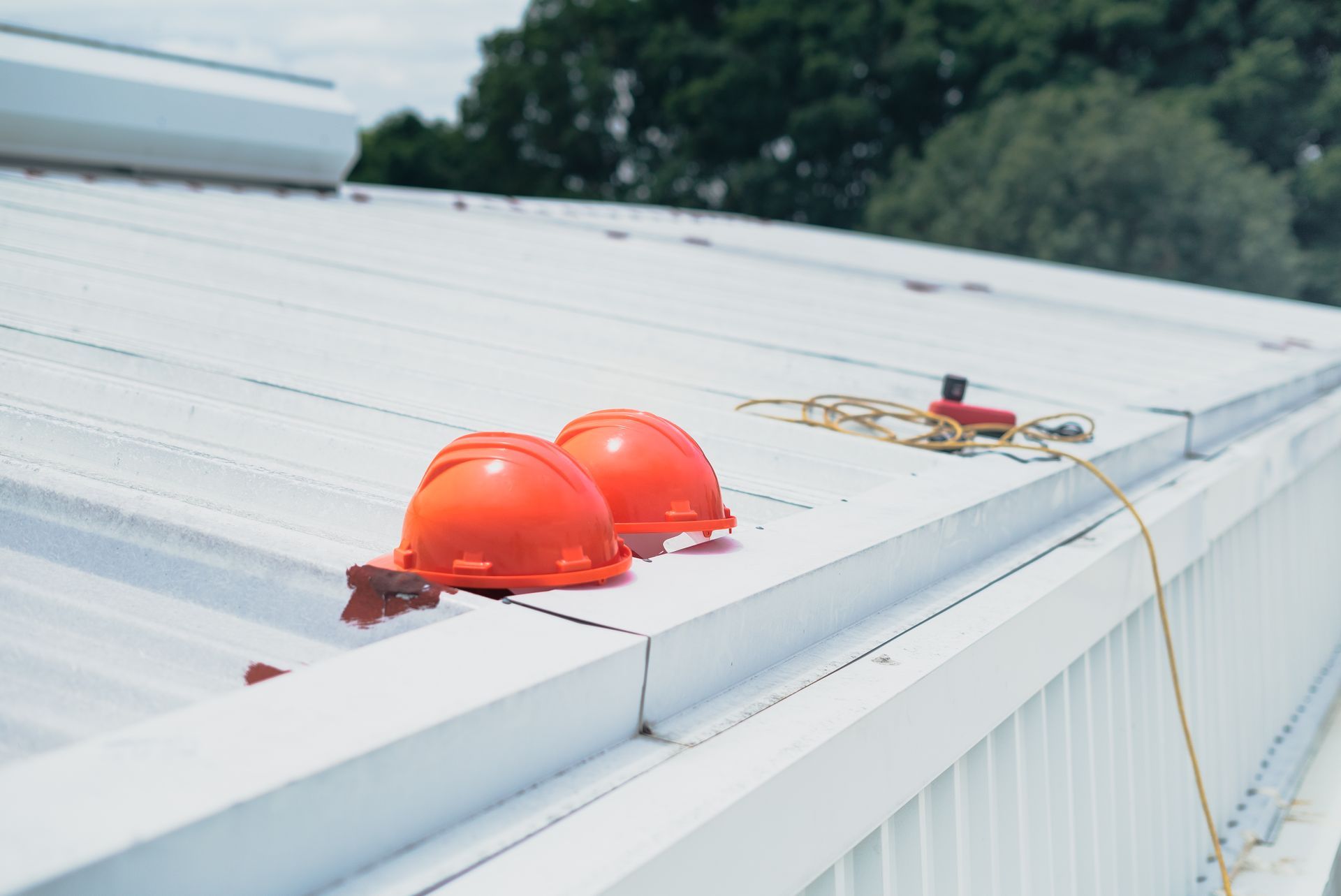
- Hard hats and other personal protective gear
For inspection and measuring, we may use:
- Moisture meters to check for hidden damp spots in materials
- Simple gauges or visual guides to judge shingle wear
- Sealant testers or hand tools to see if materials are brittle
- Cameras or drones, where allowed, to view hard-to-reach sections
Documentation is a big part of a modern roof visit. We often capture:
- High-resolution photos of concern areas
- Short videos that show water flow paths or loose parts
- Digital forms that track each section of the roof
All of this information becomes part of your long-term maintenance record, which can be especially helpful after big storm events.
Typical Issues Found with Roof Maintenance in Connecticut
Roofs in our area deal with freezing and thawing, strong winds, and heavy rain. Over time, we see certain patterns on many homes and commercial buildings.
Seasonal wear and storm impacts often show up as:
- Loosened or lifted shingles from wind
- Flashing that has shifted or bent near edges and valleys
- Staining that lines up with past ice dam areas
- Shingle granules collecting in gutters after severe weather
Age-related concerns are common on older roofs. During a maintenance visit, we may find:
- Shingles that are brittle, cracked, or curling at the edges
- Pipe boots that are dried out or split at the base
- Sealants that no longer stick well to metal or masonry
- Flashing that no longer sits tight against surfaces
One of the biggest values of regular roof maintenance in Connecticut is catching early warning signs. These can be small, but they matter:
- Nail pops that lift shingles just enough to let water in
- Tiny punctures from fallen branches or old satellite mounts
- Gutters clogged with leaves, shingle granules, or ice leftovers
- Blocked intake or exhaust vents that affect attic airflow
Most of these can be handled quickly during a maintenance visit, which helps prevent leaks, mold, or structural issues later.
Inside a Sample Roof Maintenance Service Report
At the end of the visit, everything we found and did should be easy to understand. A typical service report from our team is organized and written in plain language so you do not need a construction background to follow it.
A standard report usually includes:
- Date and time of the visit and general weather conditions
- Roof type, number of layers, and an age estimate if known
- A breakdown of findings by area, such as main roof, valleys, chimneys, skylights, and gutters
We attach clear photos and notes, often with before and after views when small repairs are made during the visit. Concern areas are marked, and we explain what you are seeing in simple terms, not roofing jargon.
The report also includes honest recommendations for next steps. This can cover:
- Work that was already completed during the visit
- Items that should be watched over the next season or two
- Suggested timing for larger repairs or a future replacement plan
For many property owners, these written records are helpful if there is storm damage later. You can show that your roof was cared for and that any problems were new, which can support insurance conversations and help reduce stress after severe weather.
Get Started With Your Project Today
If you are ready to protect your home for the long term, our team at Shingle Brothers is here to help with expert
roof maintenance in Connecticut. We will evaluate your roof, explain what it needs, and provide a clear estimate so you can make a confident decision. To schedule a visit or ask questions, simply
contact us and we will follow up promptly.