Choosing Siding Installation That Protects Connecticut Roofs
The siding you choose does more than change how your home looks. It also plays a big part in how well your roof and walls stand up to Connecticut’s rain, snow, wind, and temperature swings. When siding is installed the right way, it helps keep water out, protects roof edges, and supports the whole exterior system.
Homeowners often worry about leaks around roof edges, wind-driven rain getting behind siding, ice dams pushing water under shingles, and storm damage hiding where siding meets roofing. Those are real concerns, especially in Litchfield County. We work with roofing, siding, gutters, and trim every day, and we see how everything must work together like one tight shell around your home. Below, we explain how smart siding installation can help guard against moisture, reduce maintenance, and add curb appeal while helping protect your roof for the long haul.
How Siding and Roofing Work Together to Defend Your Home
Your home’s exterior acts like a shield. Roof, siding, underlayment, flashing, and trim all work as one building envelope to keep water and wind outside and dry air inside. When one part is weak or poorly installed, it can affect the others, even if they look fine on the surface.
There are a few spots where siding and roofing meet that need special care:
- Roof-to-wall intersections
- Dormers that cut into the roof
- Valleys that drain large roof areas
- Chimney and sidewall areas
At these points, flashing and trim must be layered in the right order so water flows away instead of in. If siding is rushed or nailed too tight, it can push against flashing or block the natural drainage path. That can lead to:
- Roof edge leaks, even with good shingles
- Trapped moisture behind siding and underlayment
- Rot in roof decking or wall sheathing
- Premature wear along ridges, eaves, and valleys
When one experienced contractor handles both roofing and siding, those transitions do not get pieced together by guesswork. Flashings, drip edges, siding panels, and trim are planned as one system so they shed water in a predictable way. That kind of coordination goes a long way toward keeping both siding and roofing dry and stable.
Choosing Siding Materials Built for Connecticut Weather
Connecticut weather gives siding a workout. We see freezing nights, warm sunny days, wind-driven rain, heavy snow, and ice buildup. The siding material you choose affects how well your roof edges and walls stay protected through all of it.
Here are common options for homes and light commercial buildings and how they behave:
- Fiber cement: Stable, resists rot and insects, handles heat well, and usually holds paint nicely. It is strong against temperature swings and does not expand and contract as much as some other materials, which helps keep tight joints near soffits and rooflines.
- Vinyl siding: Popular and low maintenance, but it expands and contracts as temperatures change. If installed without the right gaps or clearances, it can warp or buckle, opening small spaces where wind-driven rain can enter near roof edges.
- Engineered wood: Designed to look like wood but with added protection against moisture and decay. It still needs correct installation and flashing, especially where walls meet roofing and gutters.
- Composite options: Some products blend different materials for added strength, impact resistance, or color hold. The key is matching the product to the home’s exposure and making sure the fastening system and trims are compatible with your roof details.
For Connecticut weather, we pay close attention to impact resistance, moisture resistance, and overall stability. Siding that resists warping and buckling stays tighter to the wall and is less likely to open gaps near soffits, rake boards, and roof intersections. That helps keep water from working its way toward the roof deck.
Strong siding installation is not just about the visible panels. The right underlayment or housewrap, along with carefully installed flashings, helps control how moisture moves behind the siding. When these layers are chosen and installed correctly, they direct water away from your roof structure instead of toward it.
Smart Siding Installation Details That Help Roofs Last Longer
The details around the roofline make a big difference in how long your roof and siding last. A few inches of clearance or a correctly layered flashing can be the difference between a dry attic and a hidden leak.
We focus on practices like:
- Proper clearances between siding and shingles, usually leaving space so siding is not sitting directly on the roof. This keeps water from wicking up into the siding and gives snow and ice room to melt and drain.
- Drip edge integration so water flows from shingles to gutters without slipping behind the siding. The drip edge, underlayment, and siding all need to overlap in the right order.
- Sealing penetrations at wall-to-roof transitions, such as vent pipes, electrical boxes, and light fixtures. These are common leak points when they are not flashed and sealed correctly.
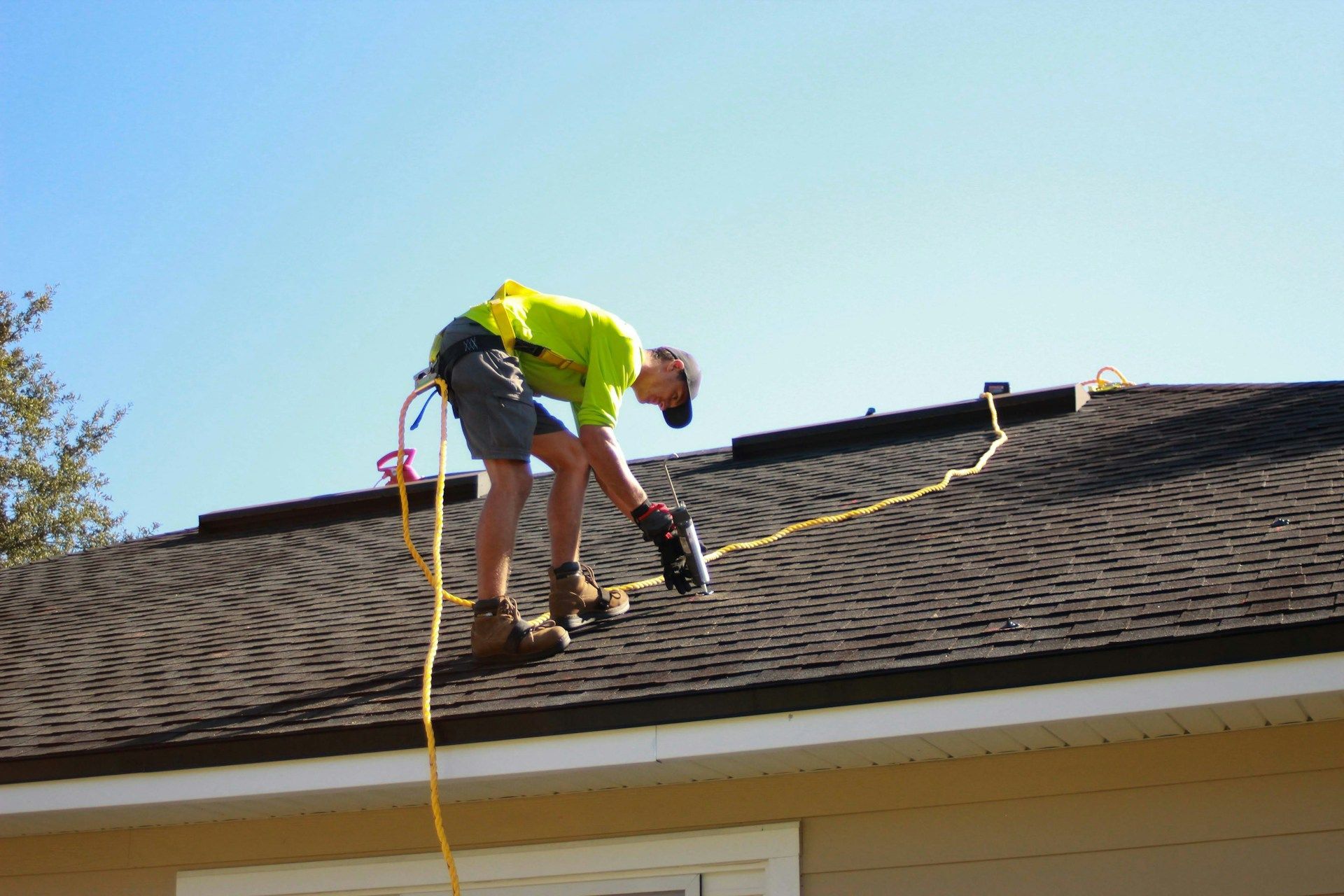
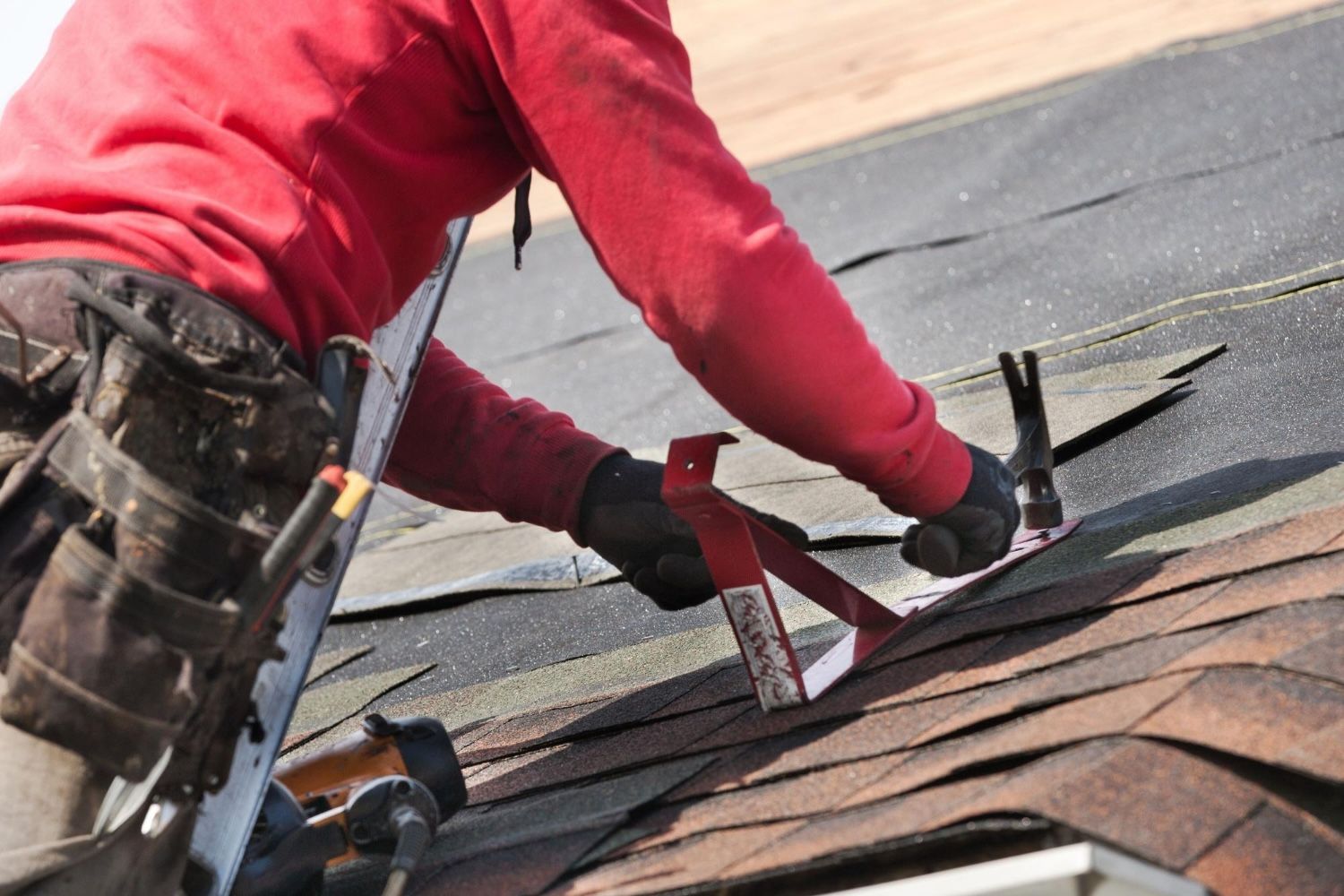
Where siding meets sloped roofs, step flashing is especially important. Each small piece of flashing steps with each shingle and tucks behind the siding. If siding is nailed through that flashing in the wrong way or installed too low, wind-driven rain and ice backup can sneak in.
Trim work around fascia, soffits, and rake boards also supports roof health. Properly fitted soffits help your attic breathe, which helps control heat and moisture inside the roof system. Gaps, poorly vented soffits, or clogged areas can shorten a roof’s life by encouraging mold, rot, or ice dam issues.
Professional, code-compliant siding installation lowers the odds of callbacks, hidden leaks, and premature roof problems. When everything around the roof edge is detailed correctly the first time, the whole exterior tends to last longer.
Seasonal Timing Tips for Siding Projects in Connecticut
You can replace siding in many seasons, but timing can make the process smoother. Late summer and early fall often bring moderate temperatures and fewer storms, which helps with consistent installation and gives your home time to settle before winter snow and ice.
If you are planning siding work near a roof replacement or major roof repair, it usually helps to coordinate the projects. In many cases, roofing comes first, followed by siding and trim. That way:
- Roof flashings can be installed and tested before siding covers them
- Siding crews are not disturbing fresh shingles
- Gutters, downspouts, and trim can be aligned to the final roofline
Storm season is another factor. After hail, high winds, or heavy snow, it is wise to have both siding and roofing checked, especially where they meet. Sometimes what looks like a small siding crack or missing panel is a clue that roof edges or flashings have been stressed. In some situations, it makes more sense to replace a damaged section of siding or roofing rather than patching pieces that will not seal well again.
A coordinated inspection of both siding and roofing helps set a smart order of work so your home is not left with gaps in protection while projects are in progress.
Storm Damage, Insurance, and Coordinated Exterior Repairs
Storm damage to siding often signals that your roof might have taken a hit too. Impacts and high winds can loosen shingles along eaves, valleys, and other areas where walls and roof planes connect. Water can then find new paths in those weak points.
After a storm, homeowners can take a few simple steps:
- Take photos of visible damage from the ground
- Note any new water spots inside on ceilings or walls
- Keep loose pieces on the ground where they are, do not try to put them back up
- Avoid climbing on the roof or pulling off siding yourself
A professional inspection of both siding and roofing provides clearer information for insurance purposes. Detailed notes, photos, and honest recommendations help show what truly needs repair or replacement.
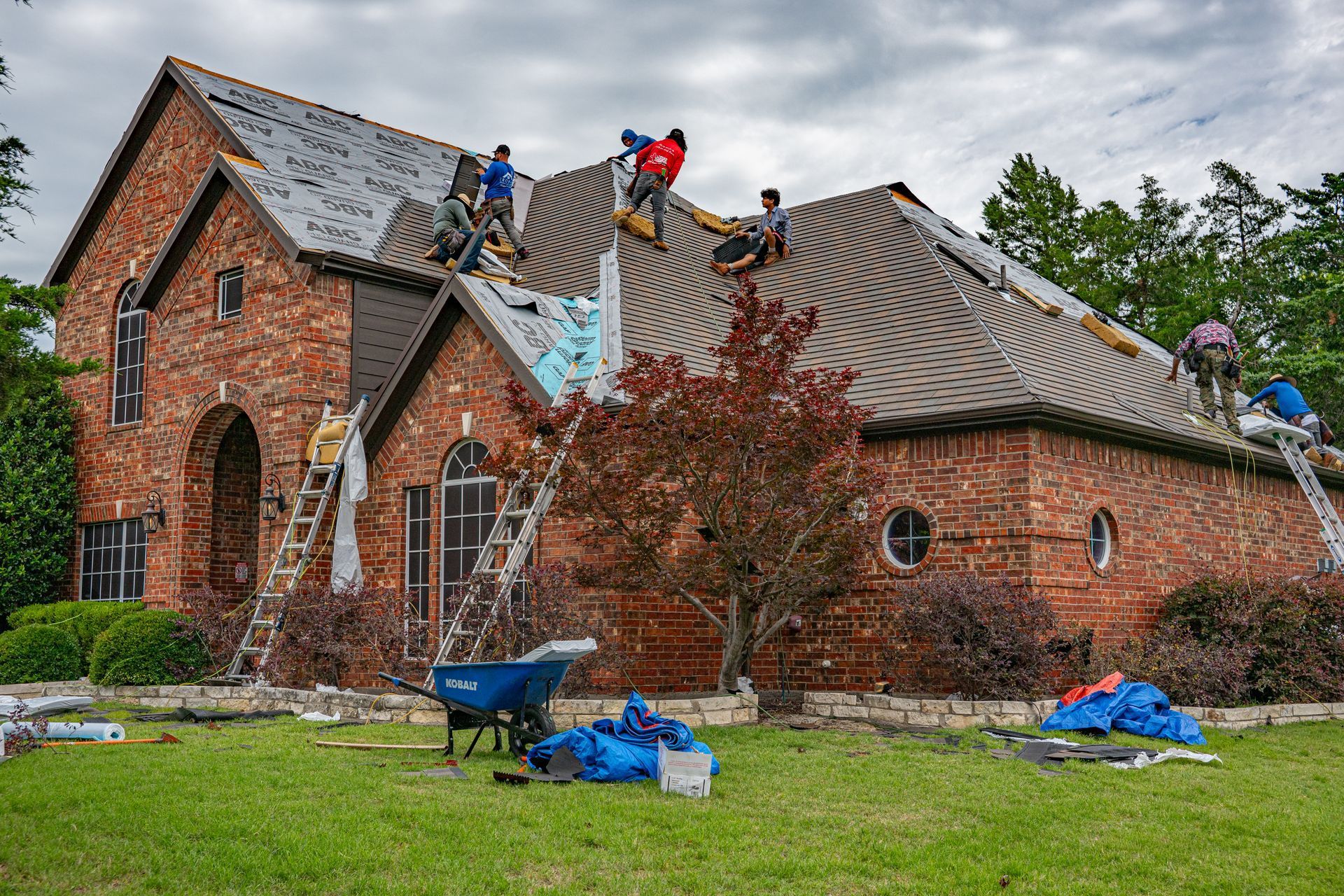
When siding installation and roof repairs are planned together, the exterior can usually be restored faster and with less stress. The same crew can adjust flashings, replace damaged roof sections, and install new siding in the right order, helping your home return to full weather protection with fewer interruptions.
Get Started With Your Project Today
Upgrade your home’s exterior with our professional
siding installation services designed for long-lasting performance and curb appeal. At Shingle Brothers, we walk you through material choices, design options, and a clear installation timeline so you know exactly what to expect. If you are ready to discuss your project or get a quote,
contact us and we will help you take the next step with confidence.