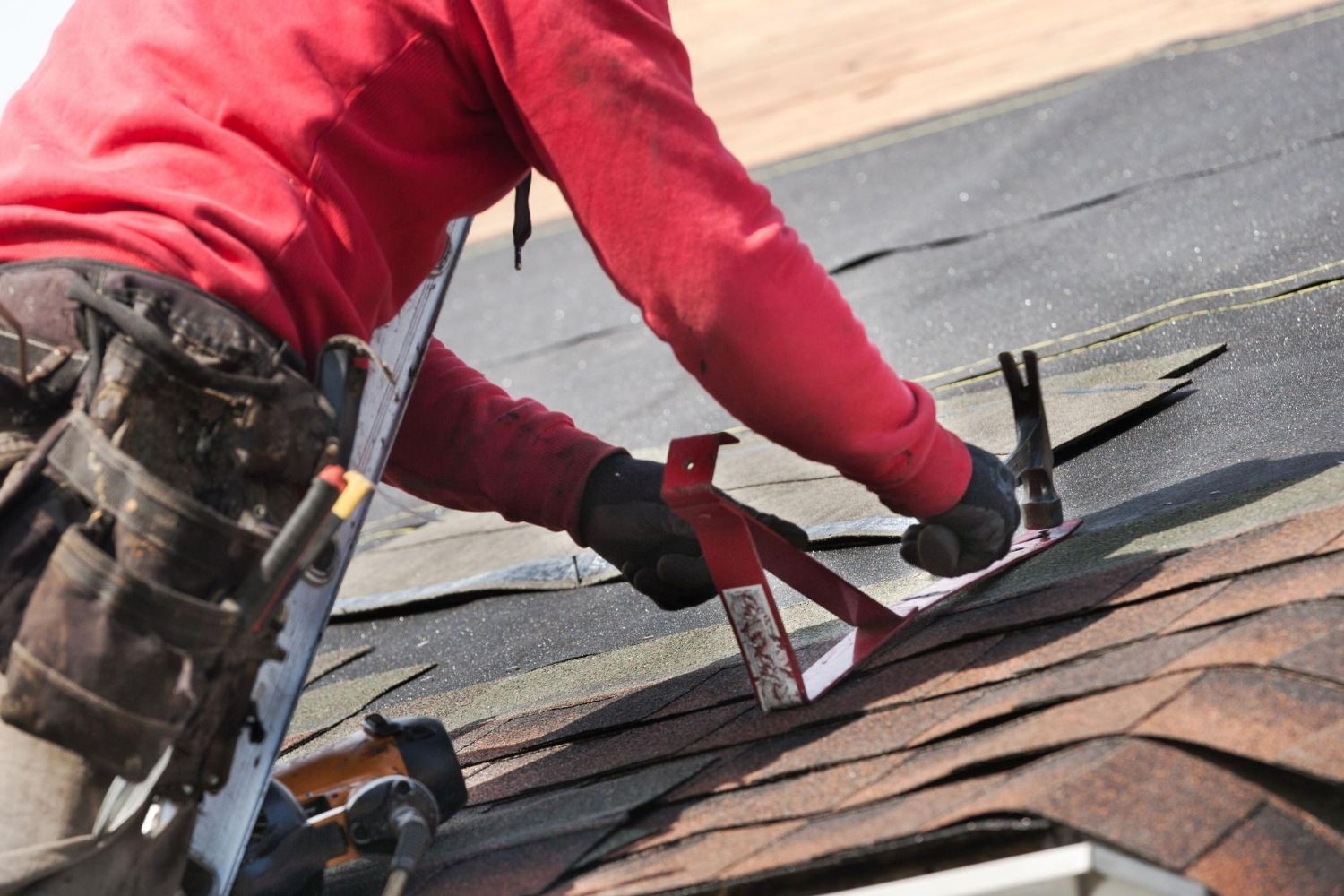
Safer Roof Care Starts Before You Leave the Ground
Roof safety matters for every Connecticut homeowner. Our mix of snow, ice, wind, rain, and piles of fall leaves can make even a simple roof check feel risky. Wet shingles, frosty mornings, and steep pitches all change how safe your roof really is, even if it looks fine from the yard.
Some basic roof maintenance in Connecticut can be handled carefully by handy homeowners, especially from the ground or from a safely set ladder. But once your feet are on the shingles, the risk goes up fast. The goal is not to be brave; it is to be smart and protect yourself, your family, and your home.
We are Shingle Brothers, a GAF Certified roofing contractor serving Litchfield County. Our focus is protecting homes and businesses, helping roofs last longer, and keeping people safe. We want you to understand where simple DIY ends and where professional help is the safer choice.
Smart Ladder Setup Every Connecticut Homeowner Should Know
Before anyone thinks about climbing, the ladder setup has to be right. A stable ladder is your first line of defense against a fall.
There are two main types of ladders most homeowners use:
- Step ladders are freestanding and good for work under the eaves, like cleaning low gutters.
- Extension ladders lean against the house and are the only safe choice for accessing the roof edge.
For roof access, an extension ladder is usually safer. It should extend at least 3 feet above the roof edge so you have something solid to hold while stepping on and off the roof. Always check the weight rating on the ladder and match it to your body weight plus tools, wet clothes, and anything you are carrying.
Connecticut yards can be uneven, soft, or slick, especially after rain or snow. For placement:
- Follow the 4-to-1 rule: for every 4 feet of ladder height, place the base 1 foot away from the wall.
- Set the feet on firm, level ground, never on ice, snow, mud, or loose gravel.
- Avoid setting ladders on wet decking, loose pavers, or stacked blocks to gain extra height.
Good habits matter as much as good equipment. When climbing:
- Always face the ladder and keep three points of contact: two hands and one foot, or two feet and one hand.
- Wear closed-toe shoes with non-slip soles, not sandals, flip-flops, or smooth dress shoes.
- Ask a helper to steady the ladder and keep kids and pets away from the work area.
If the ladder feels wobbly, too short, or you feel nervous, that is a sign to stop. Safety comes first, even if that means waiting for help.
Fall Protection Basics for DIY Roof Checks
Once you step onto the roof, the risk changes. Roof pitch, height, and surface conditions all affect how sure your footing is. Even a low, single-story roof can become slick with moss, wet leaves, frost, or pollen.
It is easy to underestimate the danger. Many people think a short fall will not do much, but even a fall from one story can cause serious injury and long-lasting problems. In Connecticut, early morning frost, surprise spring showers, and a thin layer of pollen can all turn shingles into a slippery surface.
If you ever feel unsure, it is better to stay on the ground and use simple safety steps:
- Check the weather first, avoid windy, rainy, or icy days.
- Do not carry armloads of tools or heavy items onto a ladder or roof.
- Use a small tool belt or haul light tools up with a rope instead of in your hands.
- Wear fitted, comfortable work clothes that will not snag, plus gloves that improve grip.
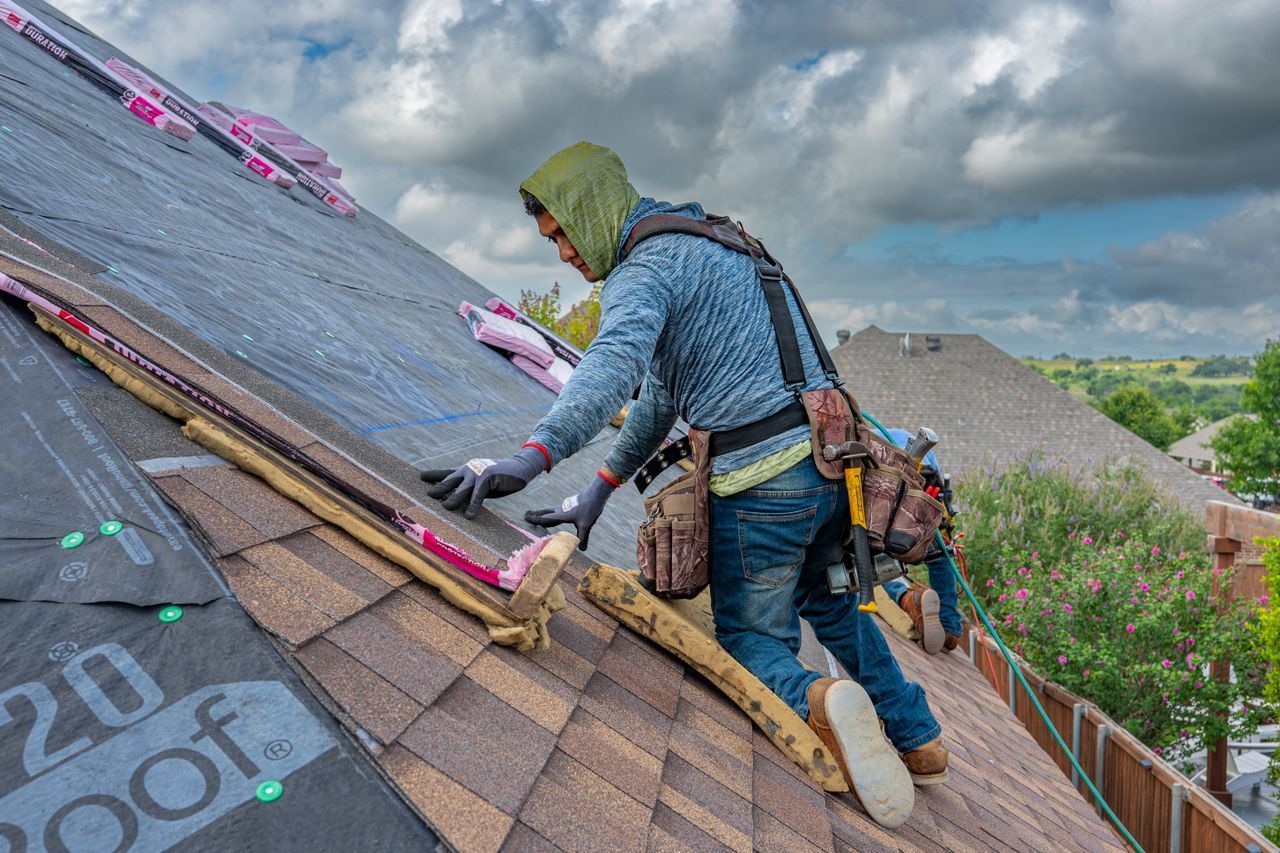
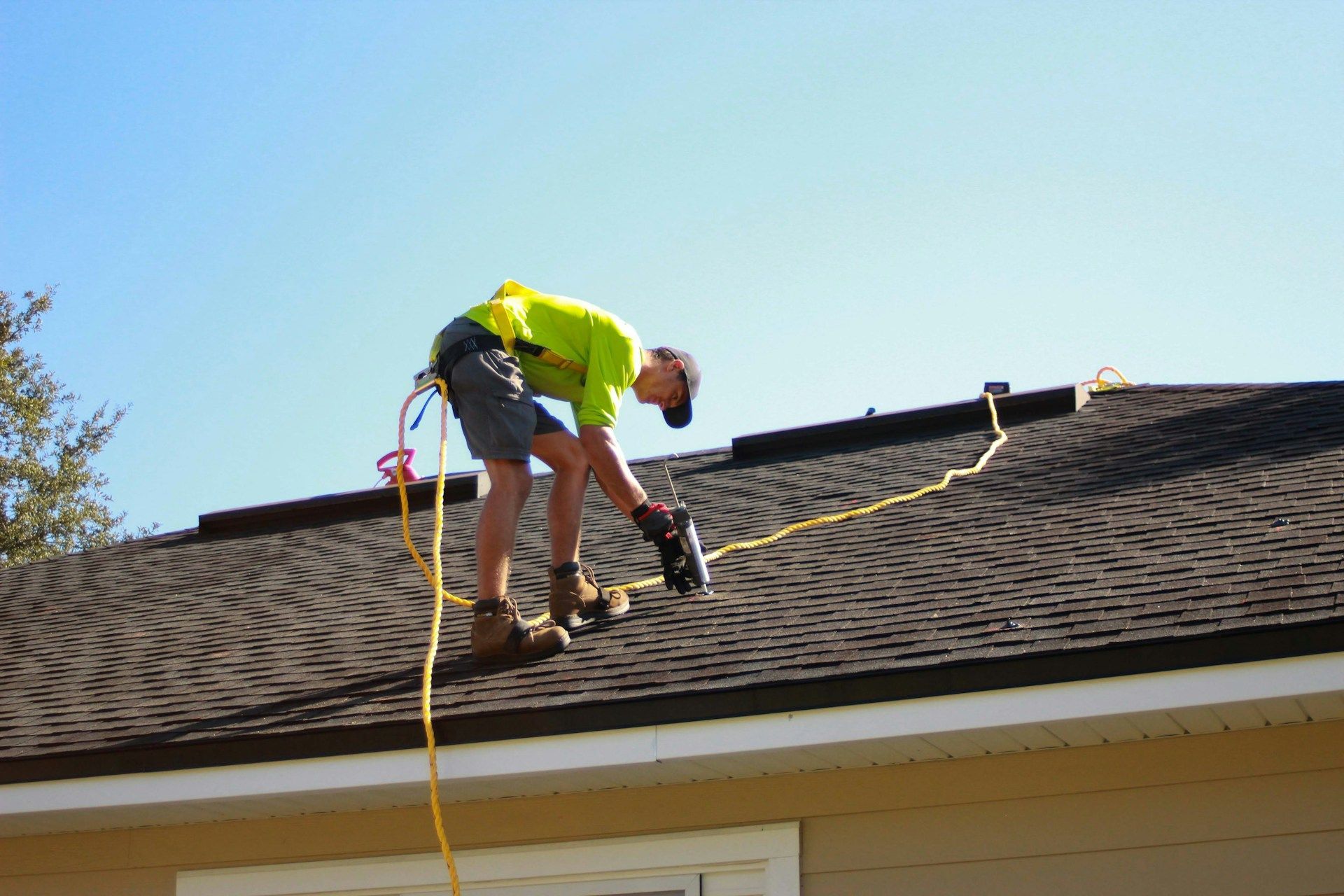
Professional roofers use full fall protection systems. These usually include a body safety harness, a secure anchor point on the roof, and a lifeline that controls movement. This gear must be installed correctly, rated for the right loads, and inspected often. If any part is set up wrong, it can give a false sense of safety.
At Shingle Brothers, our technicians are trained to work with fall protection on every job. For most homeowners, trying to set up that kind of system on their own is not worth the risk.
Seasonal Roof Safety Tips for Connecticut Weather
Roof maintenance in Connecticut changes with the seasons, and so do the safety steps.
Before winter, it is smart to look for issues while you can still see the shingles clearly. You can do a lot from the ground with a pair of binoculars:
- Look for missing or curled shingles.
- Check for loose or rusted flashing around chimneys and vents.
- Watch for clogged or overflowing gutters that could freeze later.
If you clear leaves from gutters, move the ladder often instead of overreaching from the sides. Stretching too far to the left or right is a common cause of ladder falls. Many homeowners choose to have a professional roof inspection done before snow and ice arrive so that weak spots can be found early.
Snow and ice bring their own risks. Walking on icy shingles or a snow-covered roof is extremely dangerous. You cannot see where the edges are, and snow can hide slick ice or weak spots. A better choice is a roof rake used from the ground to pull light snow off the eaves. If heavy snow, thick ice dams, or leaks appear, that is the time to stop and call a professional roofer. A local team like ours can also look at insulation and ventilation that may be feeding ice dam problems.
Spring and summer are good times to check how the roof handled winter, again mostly from the ground. You can look for:
- Stains on siding or under the eaves.
- Shingle edges that look lifted or cracked.
- Gutters pulling away from the fascia.
Warm weather also brings heat, sun, and dehydration. If you are working outside, wear a hat, drink water, and take breaks in the shade. After strong storms or high-wind events, be extra careful. Shingles may be loose even if they are still in place, and debris may be on the roof.
Knowing When It Is Time to Call a Roofing Professional
There are clear warning signs that you should not climb on your roof at all. These include:
- Visible sagging or a low spot in the roofline.
- Soft or spongy areas you can feel through the decking from the attic.
- Active leaks, water stains on ceilings, or wet insulation.
- Very steep roof slopes, multi-story sections, or older roofs with brittle shingles.
Storm damage brings added hazards. Loose shingles, exposed nails, torn underlayment, and partly lifted roofing materials can all cut your hands or feet. Walking on a storm-damaged roof can also break more shingles, push water into new areas, and make insurance claims harder to sort out.
A trained roofer can handle:
- Careful inspections after storms.
- Photos and written notes that help support insurance reports.
- Safe temporary protection to keep water out until repairs are done.
Working with a local GAF Certified contractor like Shingle Brothers means you get experienced eyes on your roof. We can find small issues before they turn into larger repairs, explain in clear terms what is going on, and give honest recommendations about repair versus replacement. Our goal is durable workmanship, straightforward communication, and long-term peace of mind for your home or business.
Protect Your Roof and Stay Safe with Local Help
Your roof protects your house, but no repair is worth risking a serious fall. Some tasks, like quick ground-level checks or clearing light debris with safe ladder use, may be fine for many homeowners. When heights, steep slopes, ice, or clear damage are involved, it is safer to stay off the roof and let trained professionals handle it.
For homeowners and business owners across Litchfield County, careful roof maintenance in Connecticut is about more than just shingles. It is about safety, planning, and knowing when to step back. Shingle Brothers is here as a local resource to inspect, repair, and restore your roof so it keeps doing its job while you stay safely on the ground.
Get Started With Your Project Today
Protect your home year-round with expert
roof maintenance in Connecticut tailored to our local weather and building styles. At Shingle Brothers, we inspect, repair, and maintain roofs with long-term performance and safety in mind. If you are ready to schedule a visit or have questions about your roof, simply
contact us so we can help you plan the next steps.