Know What to Expect From an Insurance Roof Claim
Storms in Connecticut can be tough on a roof. Hail, high wind, heavy snow, or a falling limb can loosen shingles and cause leaks before you even see the first stain on your ceiling. When that happens, an insurance roof claim in Connecticut can feel confusing and rushed, right when you are already dealing with the stress of storm damage.
Understanding the basic steps ahead of time makes the whole process more manageable. You know who does what, when things happen, and what you can do to protect your home or business. As a GAF Certified roofing contractor serving Litchfield County, we help property owners understand their options, communicate clearly with insurance companies, and move through the claims process with confidence. Below, we walk through what usually happens, how a roofer and adjuster work together, and how to get your roof back into reliable shape.
First Steps After Roof Damage in Connecticut
After any storm, safety comes first. If you see loose shingles on the ground, downed power lines, broken tree branches on the roof, or water near light fixtures, stay clear. Do not climb on the roof or into the attic to inspect things yourself. Wet surfaces, hidden structural damage, and nearby electrical lines can be very dangerous.
You can help prevent additional damage with simple temporary measures while you wait for a professional. For example, you might:
- Place buckets or towels under active drips
- Move furniture, rugs, and electronics away from wet spots
- Gently pull back area rugs so the floor can dry
- Keep people and pets away from unsafe outdoor areas
Next, start documenting what you can see from the ground. Use your phone to take clear photos and short videos of:
- Missing or curled shingles you can safely see
- Fallen branches or debris around the home
- Interior water spots on ceilings or walls
- Any emergency supplies you bought, like tarps or plastic covers
Write down the date and type of storm, such as strong wind, hail, or heavy snow. Save receipts for anything related to the damage or cleanup. These records can help your insurance company understand what happened and support your claim.
Once you have basic photos, contact a trusted local roofer for a prompt inspection. After that, notify your insurance company. Having a professional opinion before or during the adjuster visit can give you a clear picture of the condition of your roof and help you make informed decisions.
How an Insurance Roof Claim Works in Connecticut
When you call your insurance provider, they will usually ask for:
- Your policy number
- The date of the storm or event
- A short description of what you noticed
- Whether there is active leaking inside
They will create a claim file and give you a claim number. This number is how you track updates and any future paperwork. The company will then set up a time for an adjuster to inspect your property.
The adjuster’s job is to look for storm-related damage that fits your policy. On the roof, this might include:
- Missing, cracked, or lifted shingles
- Granule loss or bruising from hail
- Damaged flashing around chimneys and vents
- Ice dam damage at eaves or in valleys
- Issues caused by heavy snow loads or freeze-thaw cycles
Connecticut weather can be hard on roofing materials. Late fall storms, ice, and temperature swings all affect how damage shows up and how it is evaluated. Roofing in Litchfield County often deals with ice dams near gutters and valleys, so the adjuster will usually pay close attention to those areas. It helps to have a knowledgeable roofing contractor there to point out problem spots, answer technical questions in simple terms, and explain how local conditions may have caused what you see.
Throughout this process, clear communication between you, your roofer, and your insurer helps limit surprises and reduces stress.
Your Roof Inspection and Detailed Repair Plan
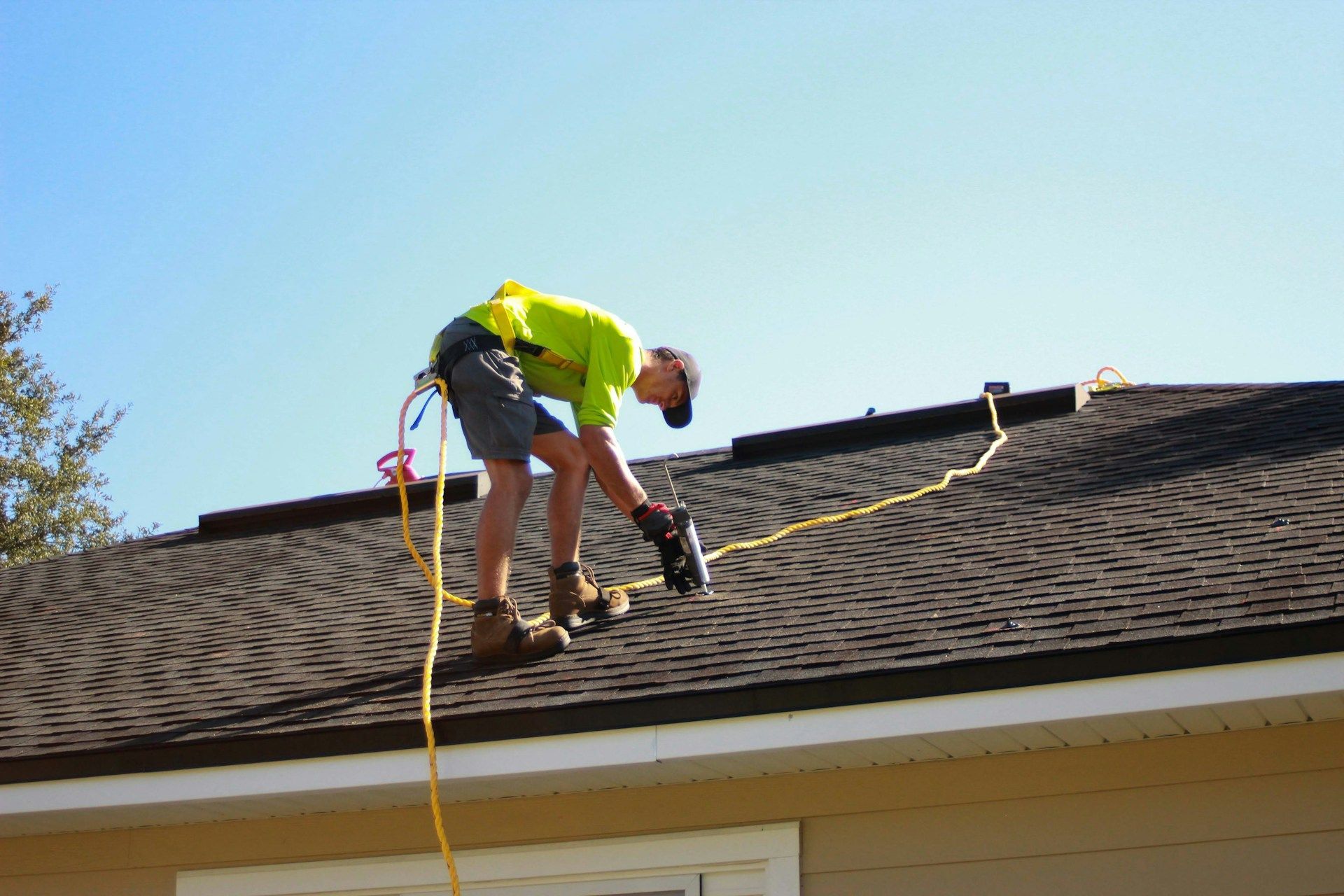
Before or around the time of an adjuster visit, a full roof inspection from a professional roofer gives you another layer of clarity. During an inspection, we look at:
- Shingles and underlayment
- Flashing around chimneys, skylights, and walls
- Roof vents and ridge vents
- Gutters and downspouts
- Attic spaces for signs of moisture, mold, or sagging
We are careful to separate storm damage from normal aging. Insurance generally focuses on sudden damage, not wear from years of sun and weather. Explaining that difference clearly helps you make smart choices instead of guessing.
After the inspection, we provide straightforward options and honest recommendations. Sometimes a focused repair is enough to keep your roof solid for years. Other times, the best long-term choice is a full replacement. Our goal is durable workmanship and long-lasting protection for your property, not a short-term fix that may not hold up to future storms.
A written, itemized estimate is a key part of insurance roof claims in Connecticut. It usually includes:
- A clear description of the damage
- Recommended repairs or replacement steps
- Materials to be used
- Photos that match the written notes
This paperwork supports your claim, helps the adjuster see what the roofer sees, and gives you confidence in the scope of work and expected costs. We explain the estimate in plain language so you understand what you are approving.
Working with Your Insurer and Your Roofing Contractor
Once the inspection and estimate are done, the next step is lining up all the information between you, your roofer, and your insurance company. With your permission, your roofing contractor can often speak directly with the adjuster to:
- Answer questions about roof structure and materials
- Provide extra photos or measurements
- Clarify what parts of the damage came from the storm
You still make the final decisions, but you do not have to explain every technical detail yourself. This type of support can make the claims process smoother and less overwhelming.
It also helps when material choices are clear and focused on long-term performance. As a GAF Certified roofing contractor, we work with quality roofing systems and proven installation methods. Clear line items in the estimate help the insurance company see that the work is meant to restore your roof properly and protect your home or business for years to come.
When the claim is approved, the next steps usually include:
- Confirming the final scope of work
- Choosing shingle colors and any upgrades
- Looking at the weather forecast to pick a start date
- Planning access points and parking so daily life is disturbed as little as possible
In late fall or early winter, timing matters. Most roofing work is scheduled around safe temperatures and dry conditions, so planning early gives you more flexibility.
Throughout this stage, we keep communication open so you know what to expect, when crews will arrive, and how long the work should take.
What Happens During Roof Repairs or Replacement
On the first day of work, the crew will prepare the property. They typically:
- Cover landscaping and outdoor furniture with protective tarps
- Set up ladders and safety equipment
- Walk you through the general plan for the day
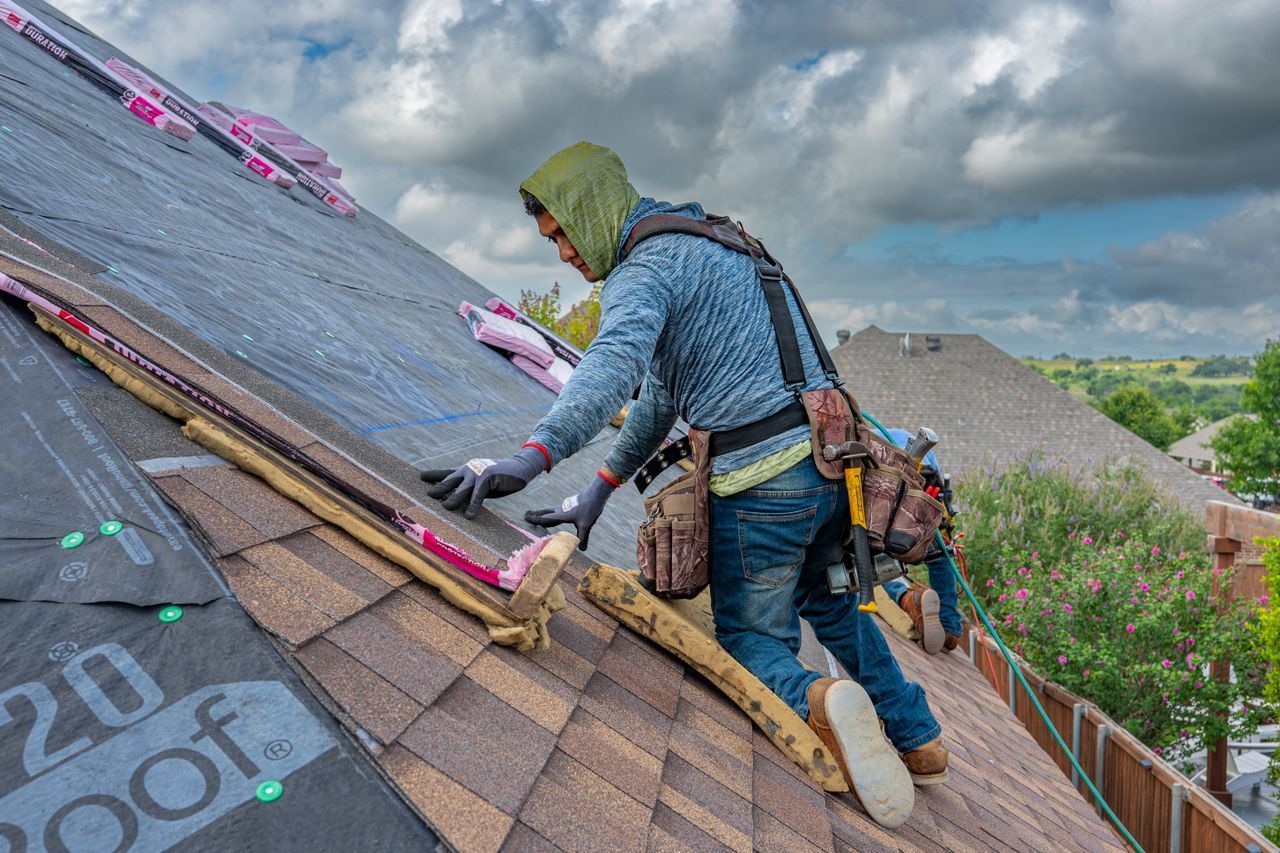
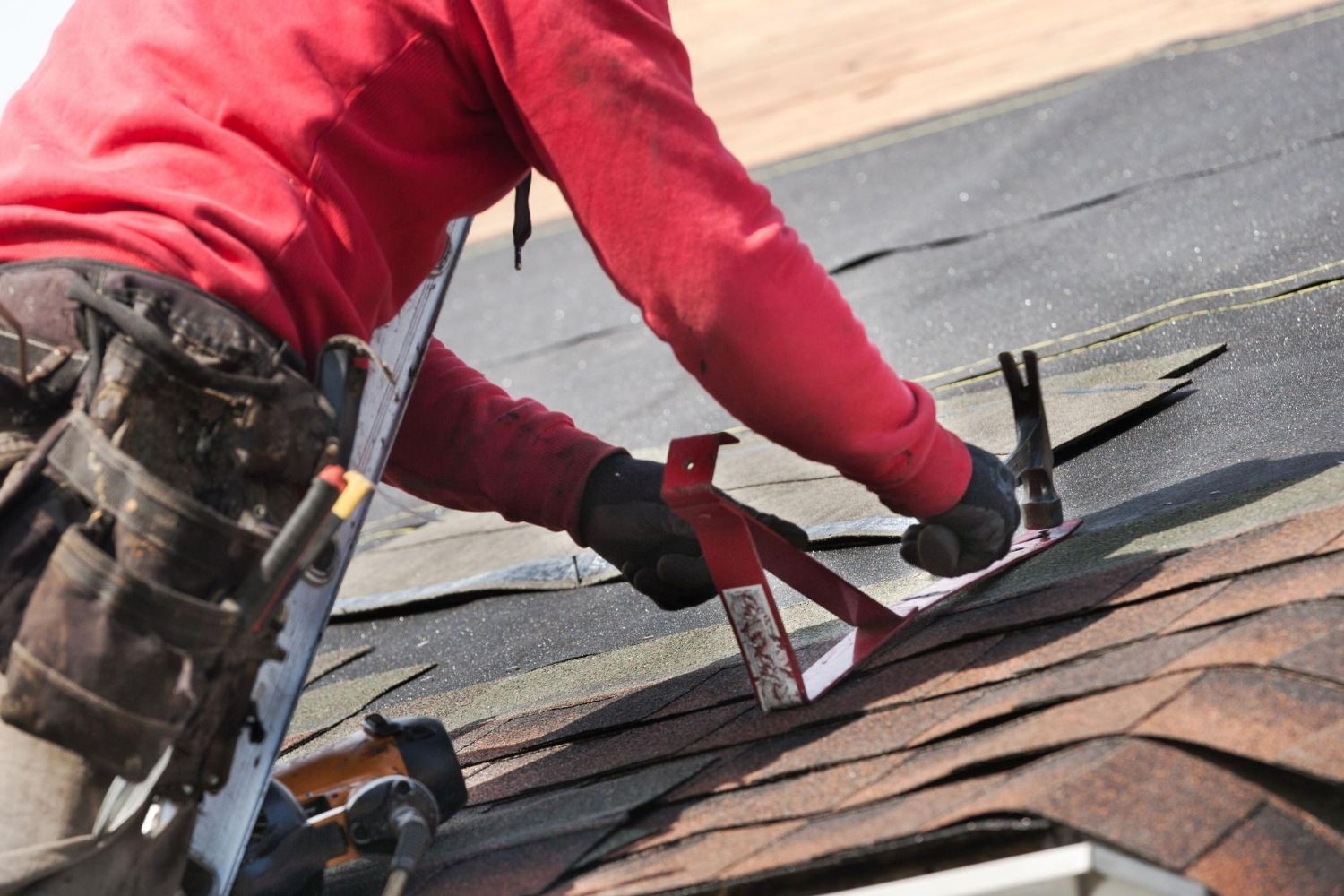
If a full replacement is needed, the old roofing materials are removed so the decking can be inspected. Any damaged wood is replaced. Then we install:
- Underlayment to protect the decking
- Ice and water shield in key areas like eaves, valleys, and around penetrations, which is especially helpful in Connecticut winters
- New shingles, flashing, and ventilation parts
Good ventilation and waterproofing help your new roof handle snow, ice, and wind over the long term. Our crews focus on careful installation and site protection so your home or business is well protected and the work area stays as orderly as possible.
At the end, we clean up nails and debris, check gutters, and make sure your yard and driveway are clear. A final walkthrough lets us answer questions and point out any areas of special attention. Warranty details are explained so you know exactly what is covered going forward.
Protect Your Roof Before the Next Connecticut Storm
Storm damage can be disruptive, but understanding how insurance roof claims in Connecticut work helps you move through the process with less stress. Knowing the steps, from that first look at your shingles to the final inspection, helps you make calm, informed decisions that protect your property.
At Shingle Brothers, we are here to help homeowners and business owners in Litchfield County with careful inspections, honest guidance, transparent communication, and steady support throughout the insurance process. Our focus is on dependable service, fair and clear pricing, and durable workmanship that keeps your roof performing in every season.
If you have seen signs of roof damage or have questions about an insurance claim, contact us to schedule a roof inspection or request a free, no-obligation estimate. We are ready to help you restore your roof and your peace of mind before the next Connecticut storm.
Protect Your Home And Maximize Your Roof Insurance Benefits
If you are navigating
insurance roof claims in Connecticut, we can guide you through each step so you do not leave money on the table. At Shingle Brothers, we carefully document damage, coordinate with your adjuster, and align repairs with your policy coverage. Reach out so we can review your situation, answer your questions, and outline a clear plan. To schedule a consultation or request an inspection, simply
contact us today.