Protecting Your Connecticut Rental From Roof Leaks
Roof leaks in a rental are not just an annoyance; they are a direct hit to your investment. Water coming in through the roof can damage ceilings, walls, floors, and even your electrical system. It can also lead to upset tenants, property turnover, and insurance headaches if the problem is not handled quickly and correctly.
In Connecticut, fall brings heavier rain and windy storms, and winter is not far behind with snow, ice, and freeze-thaw cycles. That mix is hard on roofs. Early October is a smart time for landlords to get ahead of problems before ice and heavy snow land on an already stressed roof.
We are Shingle Brothers, a GAF Certified roofing contractor serving residential and commercial properties across Litchfield County. We help landlords with inspections, repairs, replacements, and exterior services that keep rentals protected and tenants comfortable. Below, we will walk through landlord responsibilities, early warning signs of leaks, what to do when tenants report a problem, and when it is time to bring in a professional roofer for roof leak repair in Connecticut.
Landlord Responsibilities When a Roof Starts Leaking
As a landlord in Connecticut, you are expected to keep your rental safe, habitable, and reasonably weather-tight. A sound roof is a big part of that. When a roof leak starts, especially if water is entering living areas, it is usually treated as an urgent maintenance issue, not something to push off for weeks.
Once a tenant reports a leak, it helps to:
- Document the complaint in writing
- Acknowledge that you received it
- Set a clear plan to investigate and repair
- Follow up with updates until the issue is resolved
Water coming through the ceiling or down walls can quickly cause:
- Mold and mildew growth
- Rotting roof decking and framing
- Damage to insulation and drywall
- Safety concerns around lighting and wiring
Delaying repairs can also strain tenant relationships and create questions with insurance if the damage grows because nothing was done. Working with a professional roofing contractor gives you a clear inspection report, repair plan, and documentation, which can help limit your liability and show that you are taking the problem seriously.
How to Spot Roof Leaks Early in Rental Properties
Catching a roof leak early is usually the difference between a small repair and a major project. Tenants and landlords can both play a part in noticing changes before water is pouring through a ceiling.
Inside the rental, watch for:
- Brown or yellow stains on ceilings or upper walls
- Peeling or bubbling paint or drywall
- Musty odors that do not go away
- Soft spots in ceilings or around skylights
- Damp insulation or visible drips in the attic
Outside, during simple walkarounds, landlords may notice:
- Missing, cracked, or curled shingles
- Dark or sagging roof areas that look uneven
- Loose or damaged flashing around chimneys, vents, or skylights
- Clogged or overflowing gutters and downspouts
- Piles of shingle granules near downspout ends
Connecticut weather is hard on roofs. Heavy fall rain can force water under loose shingles. Winter snow and ice can sit for days, and when it melts and refreezes, small gaps open up. Spring thaw adds even more moisture. A tiny problem can grow fast in this kind of climate if nobody is watching.
It helps to set expectations with tenants at lease signing. Let them know you want to hear about:
- New water stains
- Drips or wet spots during or after storms
- Ice buildup around roof edges or skylights
Regular roof inspections by a pro, especially before and after storm season, can catch hidden trouble long before renters ever see water inside.
What to Do When a Tenant Reports a Roof Leak
When your tenant calls or messages about a possible roof leak, speed and clear steps matter. A simple plan can keep stress and damage down.
Start by responding quickly. Ask for:
- Photos or short videos of the affected area
- Details about when it started and during what kind of weather
- Any smells, sounds, or changes they noticed
That helps you judge how urgent the situation is while you arrange a professional inspection. In the meantime, you or the tenant may need to:
- Place buckets under active drips
- Move furniture, rugs, and electronics out of the way
- Cover belongings with plastic sheeting if available
- Turn off lights in areas where water is close to fixtures
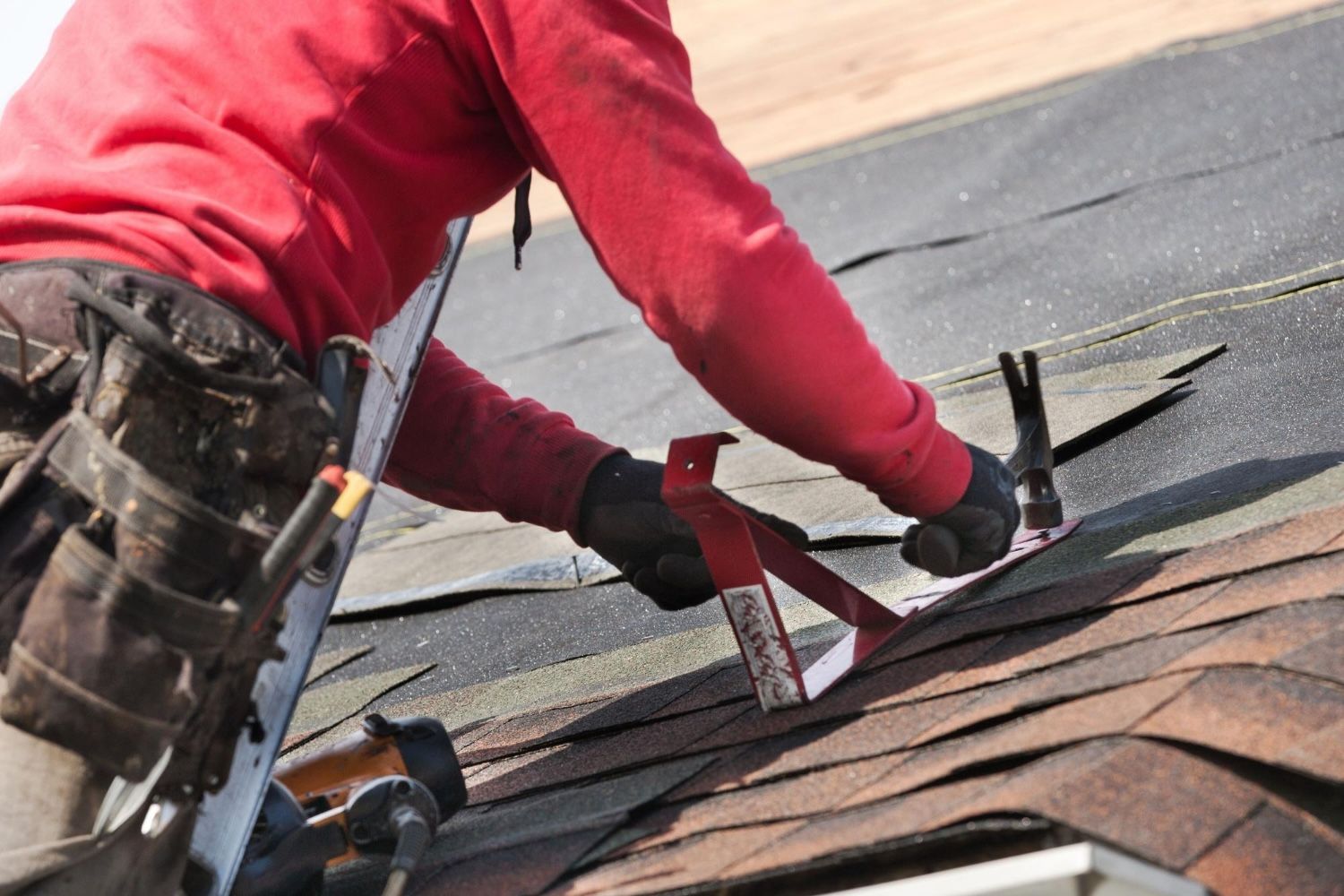
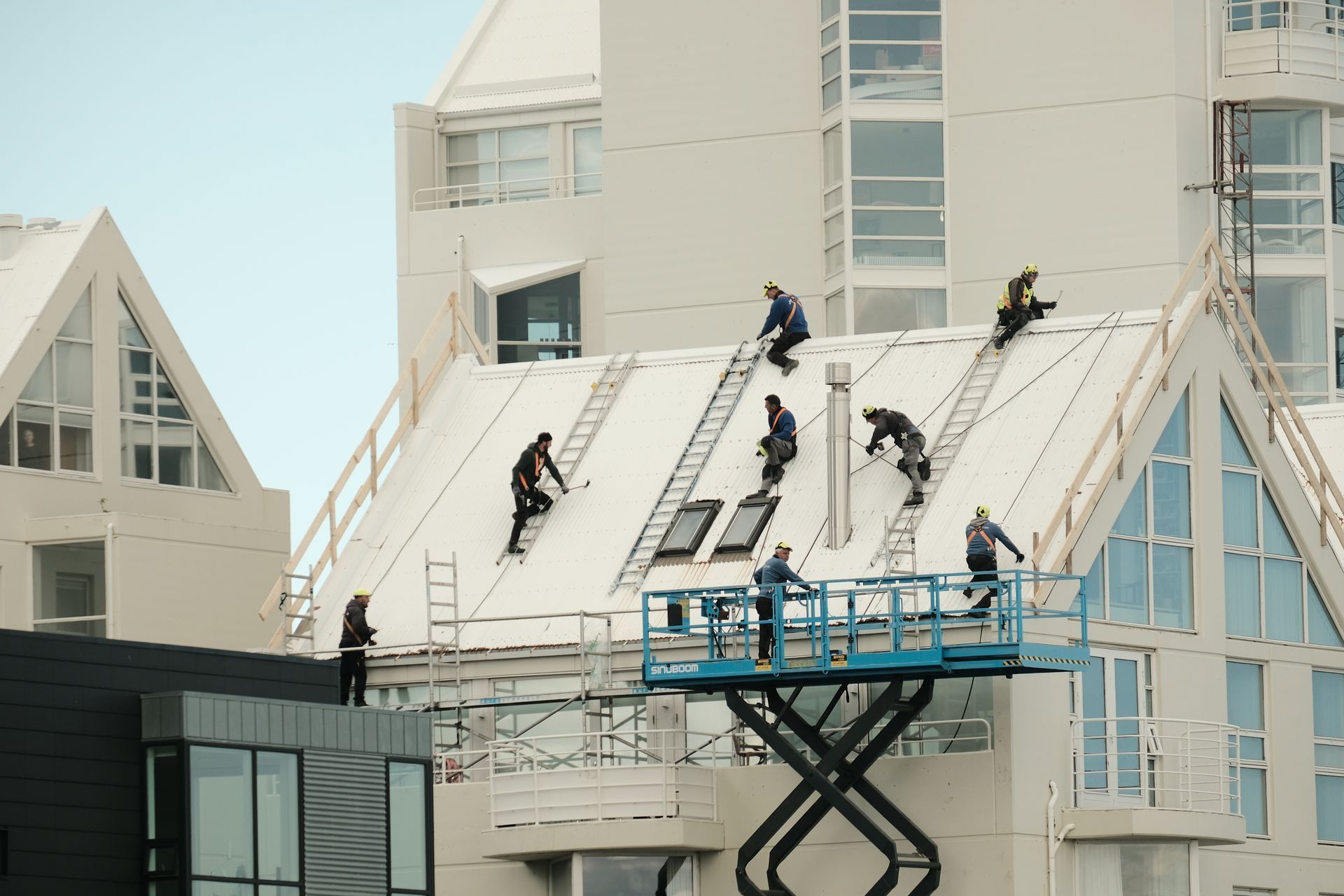
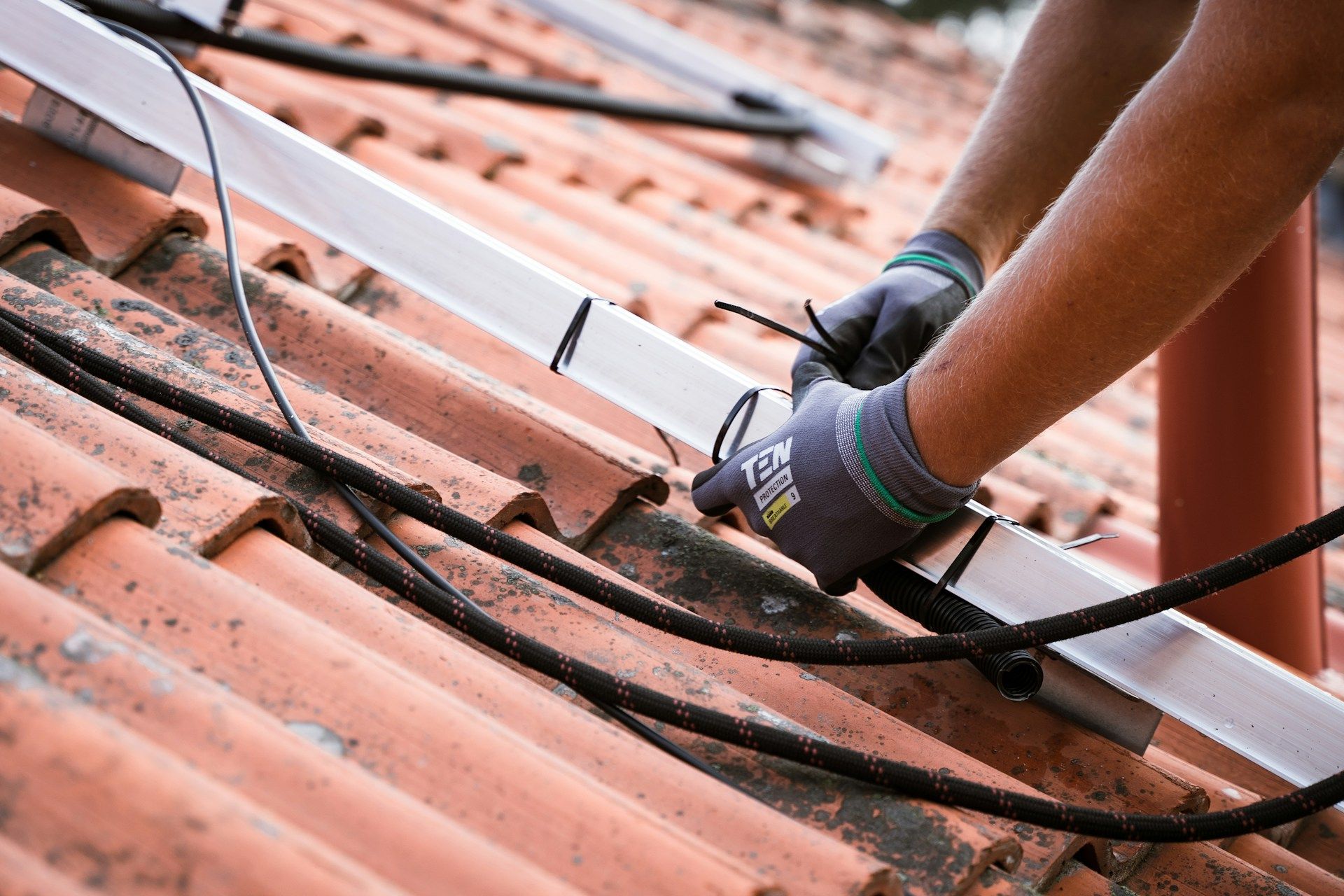
A professional roof inspection will tell you if the problem is small, like a few damaged shingles or failing sealant, or if it is a sign of bigger roof failure. A pro roofer can safely access the roof, check the attic, and trace the path of water, which is not always directly under the visible stain.
When we inspect rental properties, we focus on prompt scheduling, clear explanations, and photos from the roof so landlords can see what we see. From there, we outline whether a targeted repair or a larger project is the best path, and we explain expected timelines so you can keep tenants in the loop.
Repair, Replacement, and Insurance for Rental Roof Leaks
Deciding between roof repair and replacement comes down to the roof’s age, its overall condition, and the pattern of past problems. A trained roofer will look at:
- Shingle wear and granule loss
- Flashing around penetrations and roof edges
- Previous patchwork or layers of roofing
- Soft or sagging spots in decking
Common repair solutions for roof leak repair in Connecticut rentals include:
- Replacing missing or cracked shingles
- Resealing or replacing flashing at chimneys, skylights, and vents
- Addressing leaks caused by ice dams along roof edges
- Fixing ridge caps or exposed nail heads
- Improving attic ventilation or insulation to cut down on ice dam risk
Insurance may come into play when damage is caused by sudden events, like a severe windstorm or a heavy branch falling on the roof. In those cases, good documentation helps. A roofer can provide:
- A detailed damage report
- Photos of affected areas
- Notes on what appears storm-related versus wear and tear
That kind of support can make the claims process smoother and help you understand what is likely covered. Choosing strong materials and quality workmanship, and keeping up with maintenance, pays off long-term by cutting down emergency calls and protecting your rental income.
Seasonal Roof Maintenance Tips for Connecticut Landlords
Seasonal checks keep your roof in better shape and give you more control over when major work happens. Fall is a great time to get ready for winter weather and the weight of snow and ice.
A simple fall checklist for your rentals:
- Clean gutters and downspouts so water can drain freely
- Look for loose, missing, or lifted shingles
- Trim back branches that hang over the roof or rub in the wind
- Check that attic vents are clear and not blocked by insulation
- Watch for early signs of ice dam trouble along roof edges once the cold sets in
Ice dams form when heat from inside the home melts snow on the roof. The water runs down, refreezes at the colder roof edge, and builds up a ridge of ice. That ice can push water back under shingles and into the house. Good insulation, proper ventilation, and a sound roof surface lower that risk.
Having a professional check the roof and attic every year or two, especially on older rentals or buildings that already had moisture issues, makes it easier to plan for future roof work. Regular maintenance can extend roof life, help you budget for replacements, and reduce the chance that you will be surprised by a leak during a freezing rain or heavy snow event.
Whether you own a single-family rental, a small multi-family building, or a light commercial property in Litchfield County, a tailored inspection and maintenance plan can keep the roof ready for whatever Connecticut weather sends your way.
Get Started With Your Project Today
If you are seeing water stains, missing shingles, or suspect hidden damage, we can help you protect your home before a small issue becomes a costly problem. At Shingle Brothers, our team provides detailed inspections and expert
roof leak repair in Connecticut tailored to your specific roof and budget. Reach out so we can quickly assess the damage, explain your options in plain language, and schedule timely repairs that last. If you are ready to talk with a roofing professional, simply
contact us to get started.