Is Gutter Replacement in Connecticut Helping or Hurting Your Roof?
Gutter replacement in Connecticut should protect your roof, not put it at risk. When the right materials are installed correctly, gutters move water away from your home and help your roof last longer. When the job is rushed or done the wrong way, gutters can actually cause leaks, wood rot, and other problems you were trying to avoid.
Here in Litchfield County, we see heavy rain, wet snow, ice, and plenty of leaves. All of that puts extra stress on your roof and drainage system. That is why we look at gutters as part of the whole roof and water management plan, not just a simple add-on. Below, we will walk through how gutters should protect your roof, when replacement makes sense, what can go wrong, and how to choose safe, roof-friendly gutter work.
What Your Gutters Really Do for Your Roof
Gutters do a lot more than catch rain at the edge of your shingles. Their main job is to carry water away from:
- Roof edges and shingles
- Fascia boards and soffits
- Siding and windows
- Walkways, driveways, and your foundation
When gutters are sized, sloped, and installed the right way, they help reduce the risk of leaks at the eaves and cut down on wood rot in fascia and trim. They also limit ice dams by keeping water moving and prevent washed-out mulch and damaged landscaping. All of this support helps protect your full roof system, including the shingles, underlayment, and the wooden roof deck. If water backs up at the edge, it can sneak under shingles, soak the deck, and weaken the structure over time.
Some common signs your current gutters may not be doing their job in Connecticut’s weather include:
- Overflow during heavy summer storms
- Sagging or pulling away from the house
- Peeling paint or soft wood near the roof edge
- Mildew or staining on siding
- Damp spots or musty smells in the basement or crawlspace
If you notice a few of these at the same time, it is a clue that the system is not moving water the way it should.
When Gutter Replacement in Connecticut Is the Smart Move
Sometimes cleaning or a small repair is enough. Other times, full gutter replacement in Connecticut is the smarter way to protect your roof and structure. It usually makes sense to consider new gutters when you see:
- Old, rusted, or cracked metal sections
- Joints that keep separating or dripping
- Frequent overflows even after cleaning
- Repeated ice buildup at the eaves each winter
- Bent or twisted gutters after nor’easters, ice storms, or hail
New gutters can improve how your roof handles both heavy summer downpours and snowmelt. Larger-capacity gutters and downspouts, stronger hangers, and better placement can keep water from spilling over onto fascia and siding, reduce standing water that turns into ice in winter, lower stress on the roof edge by supporting the gutter weight, and direct water away from walkways and the foundation.
The best time to decide on replacement is when a roofing professional inspects the whole system, not just the gutter runs. A roofing-focused team will look for hidden issues, like soft roof decking at the eaves or damaged drip edge, and can address those at the same time so the new gutters are not hiding bigger problems.
How Poor Gutter Work Can Put Your Roof at Risk
When gutter replacement is rushed or done without care for the roof, it can cause more trouble than it fixes. Some common mistakes that put your roof at risk include:
- Driving nails or screws into shingles instead of the fascia
- Failing to protect or replace drip edge where needed
- Using hangers that pull up on the roof edge
- Leaving gaps where water can get behind flashing
These errors can void some roofing warranties and create leaks that show up later inside the home. Incorrect gutter pitch or too few downspouts can also create problems. For example, standing water in the gutters can weigh them down, water can spill behind the fascia and soak bare wood, and overflow can back up under shingles and onto the roof deck.
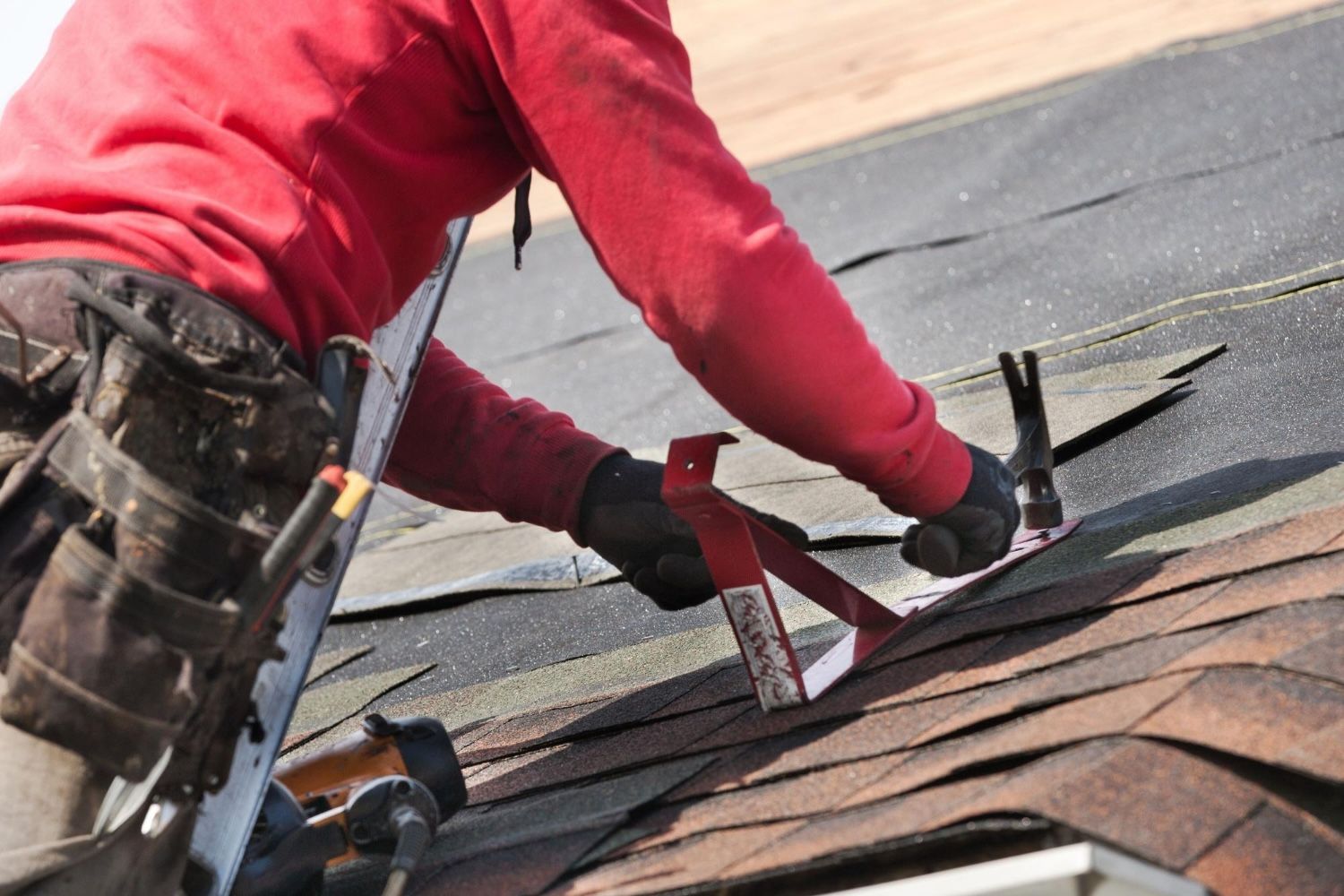
Even the removal of old gutters can cause damage if it is not done carefully. Pulling off old spikes or brackets too fast can tear or split fascia boards, loosen drip edge metal, and expose unprotected wood that slowly rots over time. That is why it is important that whoever is working on your gutters understands how the gutter system and roofing system connect.
What to Look for in a Safe, Roof-Friendly Gutter Replacement
Before you agree to gutter replacement in Connecticut, it helps to know what to ask. Good, roof-safe gutter work starts with the contractor. Helpful questions include:
- Are you licensed and insured for roofing and exterior work?
- Will you inspect my roof edge, fascia, and soffits before starting?
- How will you protect my shingles, drip edge, and flashing?
- What is your process for removing old gutters without damage?
Matching the right gutter setup to your home or business also matters. A careful assessment should cover:
- Proper gutter size for your roof area and pitch
- Material options that hold up to local weather, often aluminum
- Downspout locations that move water away from the foundation
- Extensions, splash blocks, or drainage plans for problem spots
Clear communication is just as important as the tools on the truck. It is worth looking for transparent written estimates that explain the scope of work, simple explanations of what needs repair or replacement, and why, written warranties on materials and workmanship, and before-and-after photos to show what was found and how it was fixed. All of this helps you feel confident that your roof edge and gutters are being treated with care, not just rushed through.
Seasonal Timing and Storm Damage Considerations in Connecticut
Many property owners in Litchfield County start thinking about gutter replacement in summer, and that timing can work well. After spring rains and before late-summer storms and falling leaves, you can:
- Check for loose or damaged sections
- Spot areas that overflow during storms
- Plan work before temperatures drop and ice returns
Strong storms can hit at any time, and they are hard on gutters and roof edges. Common storm-related issues include:
- Wind-torn gutter sections or downspouts
- Bent or crushed aluminum from fallen branches
- Pulled or broken hangers that leave gutters sagging
- Hidden roof leaks near the eaves that show up days later
When storms do cause damage, it helps to have one company look at the whole picture so repairs are coordinated. A roofing-focused team can inspect the roof, gutters, and fascia together, give honest guidance, and help document problems for insurance if needed. That way, the work on your gutters supports the health of your roof, instead of leaving weak points behind.
Protect Your Home With Expert Gutter Solutions Today
If your gutters are leaking, sagging, or simply past their prime, we are ready to help you safeguard your home from water damage with professional
gutter replacement in Connecticut. At Shingle Brothers, we evaluate your current system and recommend options that fit your home, budget, and long-term goals. Reach out today to schedule an assessment or ask questions about materials, colors, and installation. You can also
contact us to reserve a convenient time for your project.