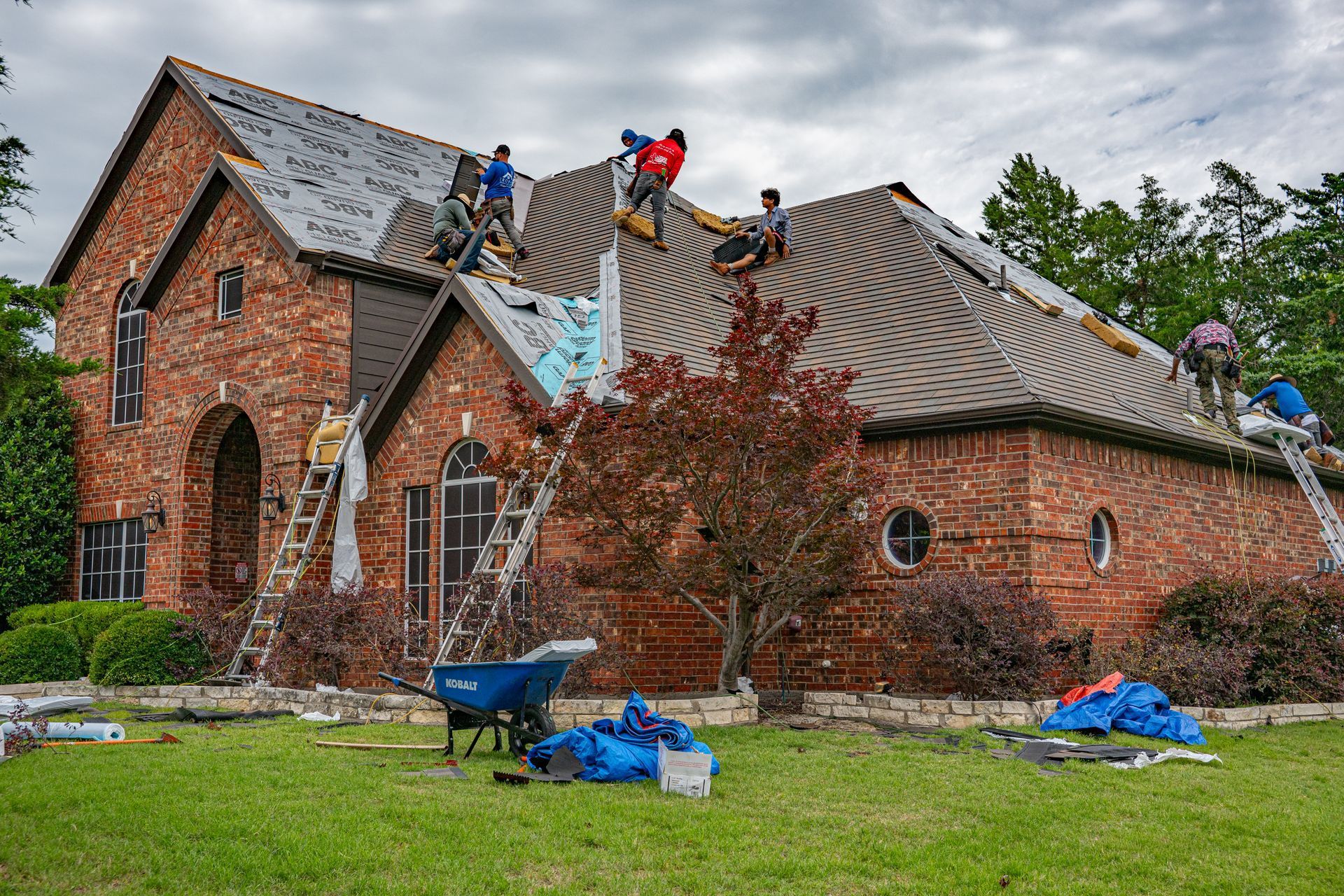
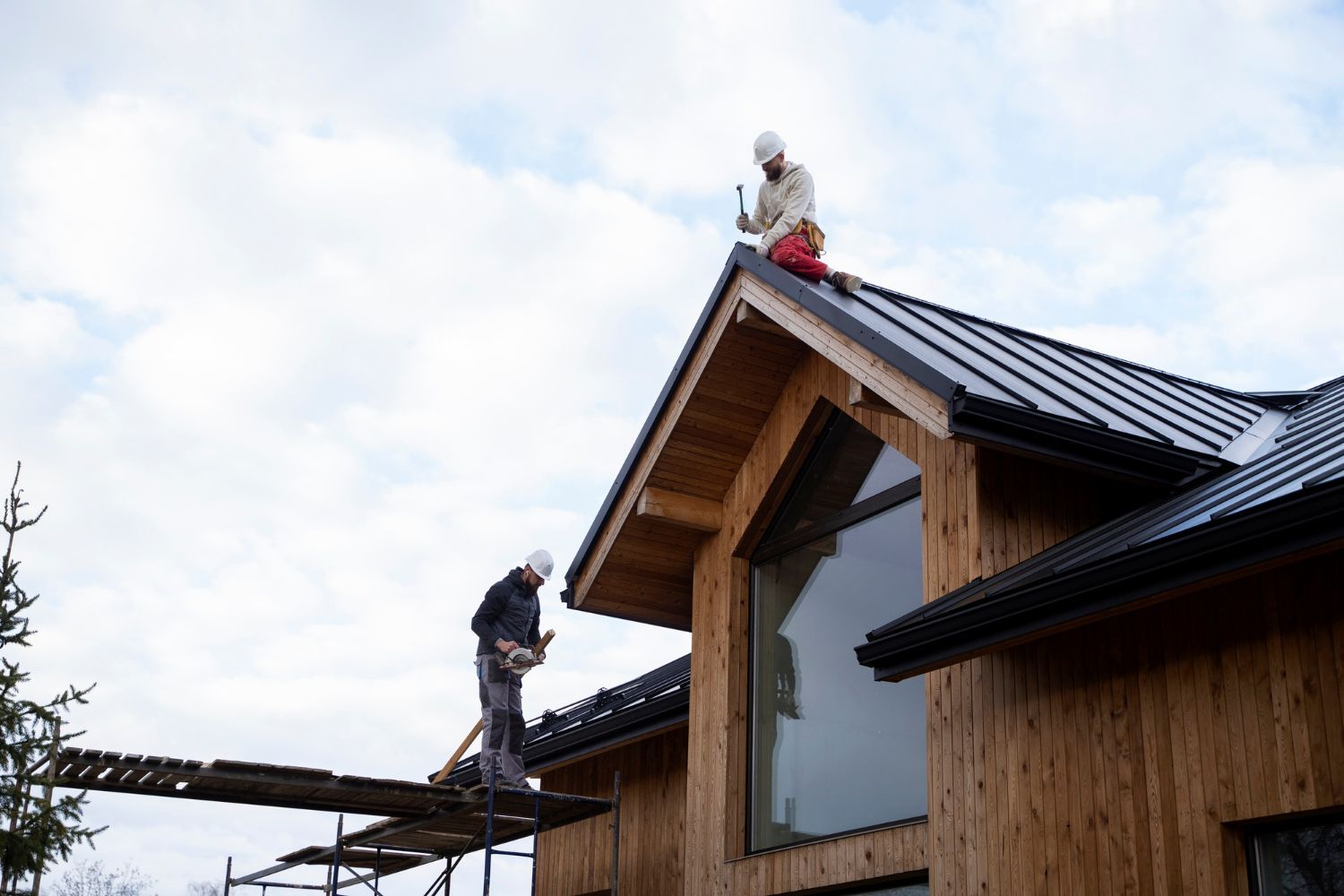
Why Roof Inspection in Connecticut Matters Before Summer Storms
Roof inspection in Connecticut is one of the simplest ways to get ready for the kind of summer weather that can go from calm to rough in a hurry. Around Litchfield County, a sunny afternoon can turn into dark clouds, loud thunder, and heavy rain before you know it. Getting your roof checked in late spring gives you time to spot problems and fix them before those strong storms roll through.
A professional inspection helps find weak spots before heavy rain, hail, wind, and sticky humidity move in during June, July, and August. You can learn if your roof is still protecting your home or business the way it should, or if it is starting to show signs of wear. We will walk through what an inspection includes, the common weather-related issues in our area, how inspections tie into insurance claims, and when it makes sense to plan your next roof check for real peace of mind.
How Connecticut Weather Puts Extra Stress on Your Roof
Connecticut weather keeps roofs busy all year, but late spring and summer bring special stress. Litchfield County often sees:
- Strong thunderstorms with gusty winds
- Sudden heavy downpours that test drainage
- Occasional hail that can bruise roofing materials
- Fast temperature swings that stress roofing components
All of these can make small roofing issues worse. Wind can lift or loosen shingles that were already wearing out. Heavy rain can push water into tiny gaps around flashing or vents. Changes in temperature can cause sealants to crack and pull away, opening the door for leaks.
Different types of roofs feel that stress in different ways. On flat commercial roofs, water can sit in low spots, known as ponding, which can break down the membrane over time. Seams and flashing on those roofs can weaken and start to let water seep underneath.
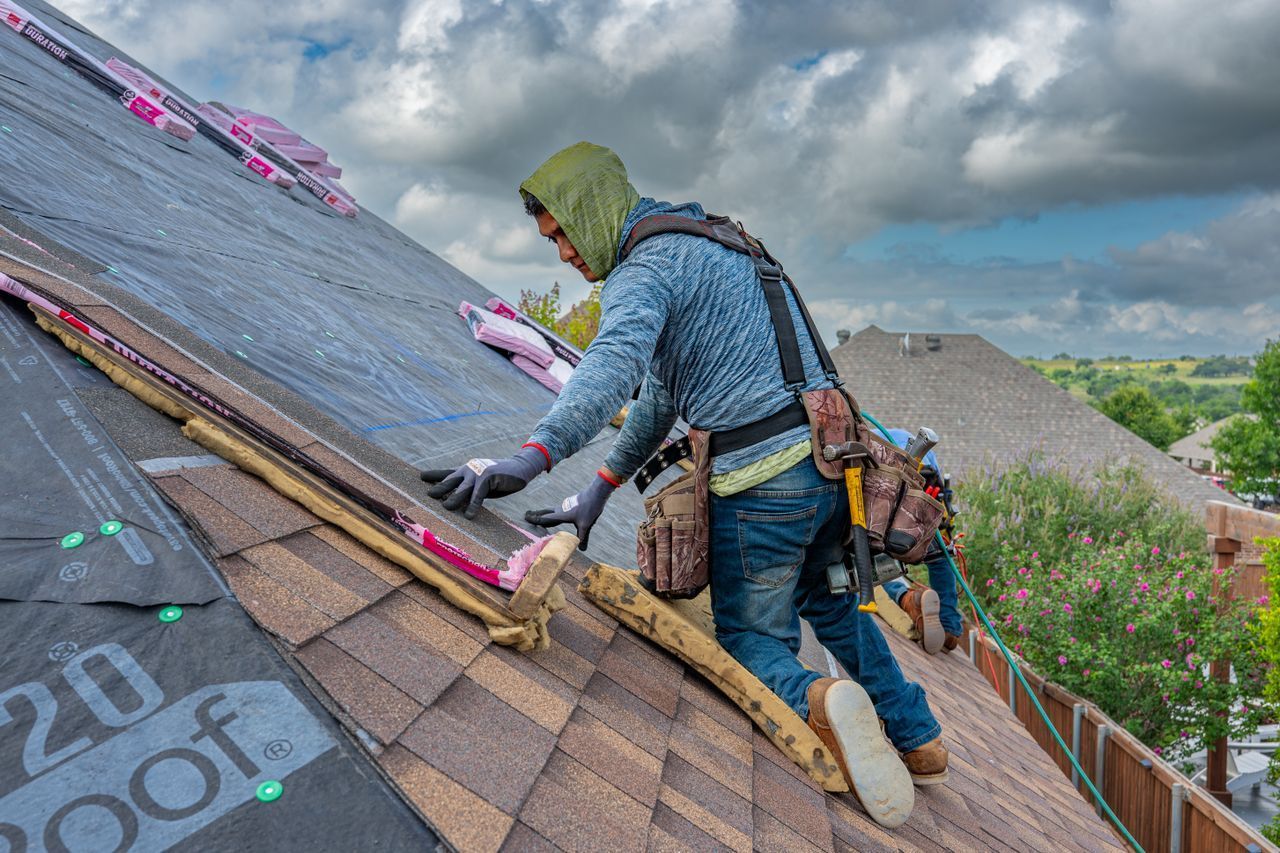
On steep-slope residential roofs, shingles can crack, curl, or blow off. Attics and top-floor areas may trap extra moisture if ventilation is not working properly. When property owners understand how local weather affects their roof type, it becomes clear that waiting for an emergency is much riskier than planning regular inspections.
What a Professional Roof Inspection in Connecticut Includes
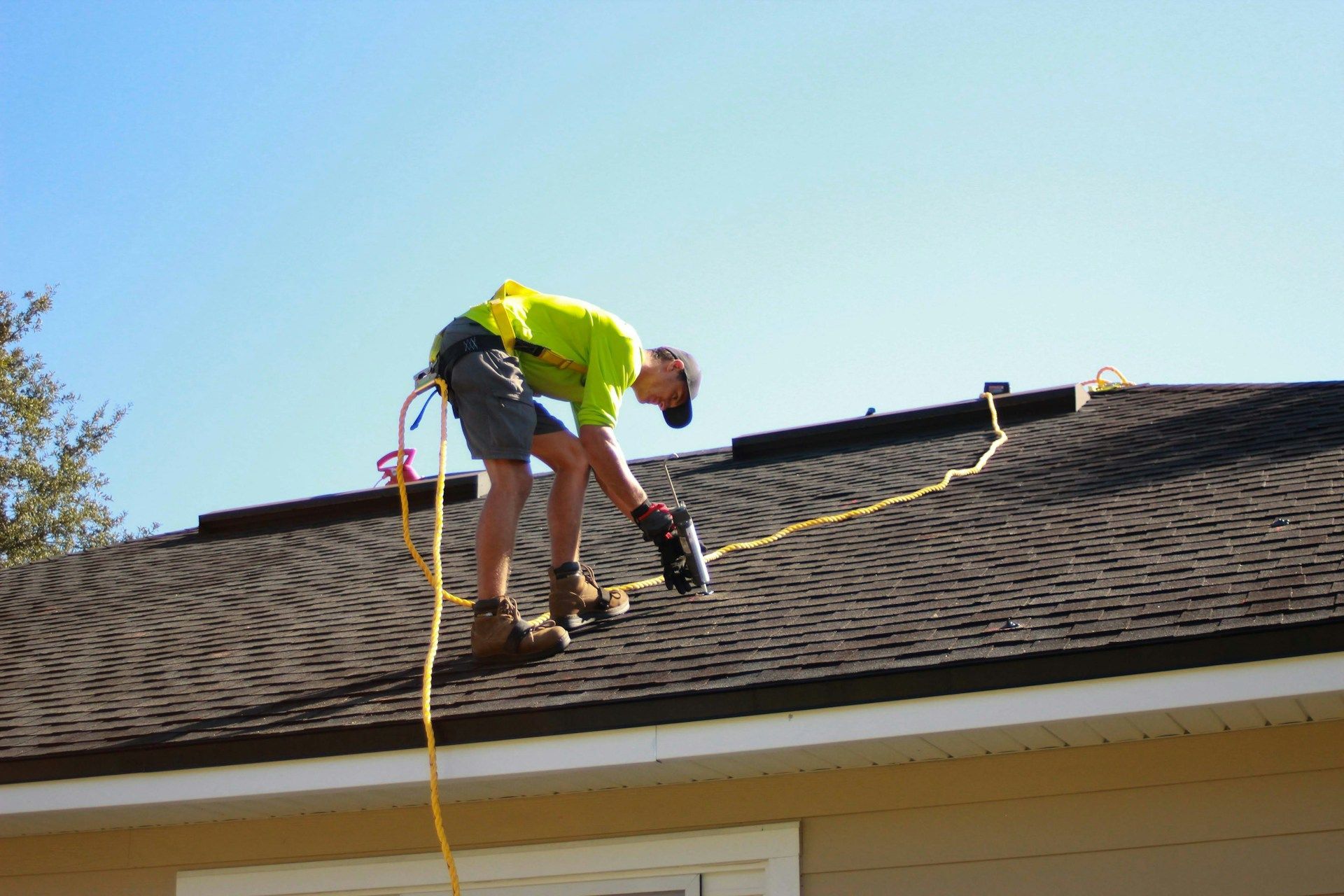
A professional roof inspection in Connecticut should be more than a quick glance from the ground. A thorough check typically covers all the main parts that keep water and wind out of your home or business.
On the exterior, a careful inspection usually includes:
- Shingles or membrane condition, looking for wear, damage, or aging
- Flashing around chimneys, skylights, walls, and roof edges
- Roof vents, pipe boots, and other penetrations
- Gutters and downspouts, checking for clogs or sagging
- Visible decking issues, such as soft spots or sagging areas
The interior is just as important. Checking accessible attic spaces or top-floor ceilings helps reveal early warning signs that may not show on the outside.
- Moisture stains or dark spots on wood or drywall
- Signs of active leaks or past water intrusion
- Insulation that is damp, compressed, or poorly placed
- Ventilation problems, like stale air or excess heat buildup
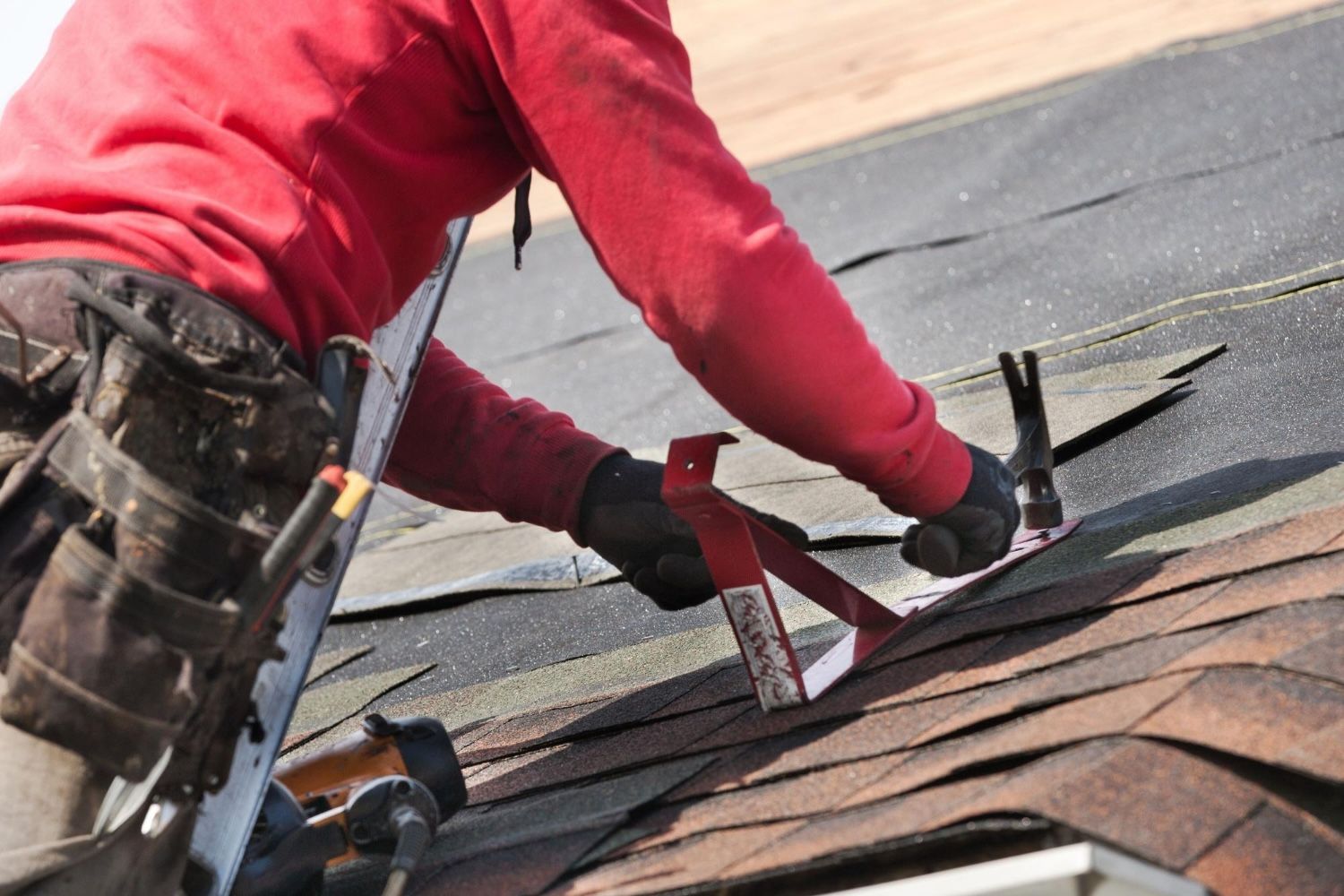
Experienced roofing professionals focus on small details that can turn into big headaches during a storm. Things like nail pops, cracked sealant, lifted or sliding shingles, and clogged downspouts might seem minor on a clear day but can quickly lead to leaks under heavy rain.
A good inspection also comes with clear, plain-language explanations. Photos can help make it easier to see what is going on with your roof. Honest recommendations should focus on safety, long-term performance, and your budget, without pushing you into work that is not needed.
Catching Small Problems Now to Avoid Big Summer Repairs
The biggest benefit of a pre-storm-season roof inspection in Connecticut is finding small problems early. Common issues that often show up during these checks include:
- Missing, cracked, or curling shingles
- Deteriorated or loose flashing around chimneys and walls
- Loose fasteners or exposed nail heads on shingles and metal pieces
- Early splits or blisters in flat roof membranes
- Light hail bruising or surface wear that may spread over time
If these issues are ignored heading into summer, they can turn into much larger repairs. Water can seep under damaged areas and travel into your home or business. That can lead to:
- Interior water stains on ceilings and walls
- Mold growth in damp, hidden spaces
- Ruined insulation that no longer does its job
- Soft or damaged drywall and trim
Timely maintenance goes a long way. Simple steps like resealing flashing, replacing a small section of shingles, cleaning out gutter systems, or reinforcing a seam on a flat roof can add years to the life of your roof. More importantly, these repairs lower the chance of a surprise leak in the middle of a heavy storm.
A reliable roofer should explain which repairs can help you get more life out of your current roof and when replacement is truly the better choice. The focus should always be on lasting fixes and fair guidance, not quick patches that only hide problems for a short time.
Roof Inspections, Insurance Claims, and Peace of Mind
Many property owners do not think about insurance claims until after a storm hits, but a roof inspection in Connecticut before summer can actually help with that part too. When a roofing professional documents the condition of your roof before storm season, it creates a helpful baseline.
If a strong storm causes visible damage later on, having “before and after” information can make a big difference. Clear photos and written notes help show:
- What parts of the roof were already worn before the storm
- What damage is clearly new, such as fresh impact marks or missing sections
- How far the new damage spreads across the roof surface
This can support your conversations with your insurance company and can make the claims process feel more organized and less stressful. After a storm, quick help from a roofer who already knows your roof can save time. They can inspect the damage, document what they see, and talk through repair options so you know what to expect.
The goal is to limit the disruption to your home or business, restore the roof to a strong, weather-ready condition, and keep you informed at each step so you are not left guessing about what comes next.
When to Schedule Your Roof Inspection in Connecticut
Late spring and early summer are smart times to plan a roof inspection in Connecticut. The weather is often mild enough for safe roof access, and there is still time to handle repairs before the strongest storms show up. This timing works well for both homes and commercial buildings.
You may want to schedule an inspection even sooner if you notice:
- Visible shingle damage, like missing or broken pieces
- Past or current roof leaks
- An older roof, such as an asphalt shingle roof that is 15 years or more
- Branches or storm debris on your roof
- Interior stains on ceilings or upper walls
Routine inspections every year or two can be more cost-effective than waiting for an emergency. Regular checkups help you plan for future maintenance or replacement on a realistic schedule, instead of being surprised by a sudden failure.
During any inspection, do not hesitate to ask questions. A good roofing partner will help you understand your roof’s condition, how much useful life it likely has left, and which repairs or upgrades could help it stand up better to Connecticut’s changing weather.
Protect Your Connecticut Home With a Professional Roof Check
If you have noticed missing shingles, staining on your ceilings, or just know your roof is getting older, now is the right time to schedule a thorough
roof inspection in Connecticut. At Shingle Brothers, we carefully assess every layer of your roofing system so small issues do not turn into costly repairs. Our team will clearly explain what we find and outline practical options that fit your budget. Ready to get answers about your roof’s condition? Call today or
contact us to set up your inspection.