Regain Control After a Connecticut Storm
Storms in Connecticut can hit fast, with heavy rain, strong wind, and sometimes hail. When that happens, it is easy to feel shaken and unsure what to do next, especially if you see shingles in the yard or water on your ceiling. Your roof is one of the main things protecting your home or business, so any damage feels personal.
Storm damage repair in Connecticut does not have to be a drawn-out, confusing process. When you understand the basic steps and have a trusted roofing expert on your side, you can move from panic to a clear plan. Our goal is to help you protect your property, work through repairs, and get back to normal with less stress.
We are a local roofing contractor in Litchfield County, and we focus on honest guidance, durable work, and clear updates from start to finish. In this guide, we will walk through what to do right after a storm, how to spot roof damage, what a good inspection includes, how insurance claims usually work, and simple ways to prepare for the next round of bad weather.
First Steps Right After a Storm
Right after a storm, safety is the first priority. Roofs, trees, and power lines can all be unstable, even if they look fine at a glance. It is not worth risking an injury to get a closer look.
Stay safe by keeping these points in mind:
- Do not walk under damaged trees or near downed power lines
- Do not climb on the roof or lean a ladder against loose gutters
- Stay away from areas where shingles, metal, or branches are hanging
From the ground, you can still do a quick check. Look for missing shingles, pieces of roofing on the lawn, gutter sections that are pulled away, or metal flashing that looks bent or lifted. If you see water coming into the home, electrical sparks, or signs that a wall or ceiling might be shifting, call emergency services.
To limit more damage inside the home:
- Place buckets or pans under active drips
- Move furniture, rugs, and electronics away from wet spots
- Cover valuables with plastic if you have it on hand
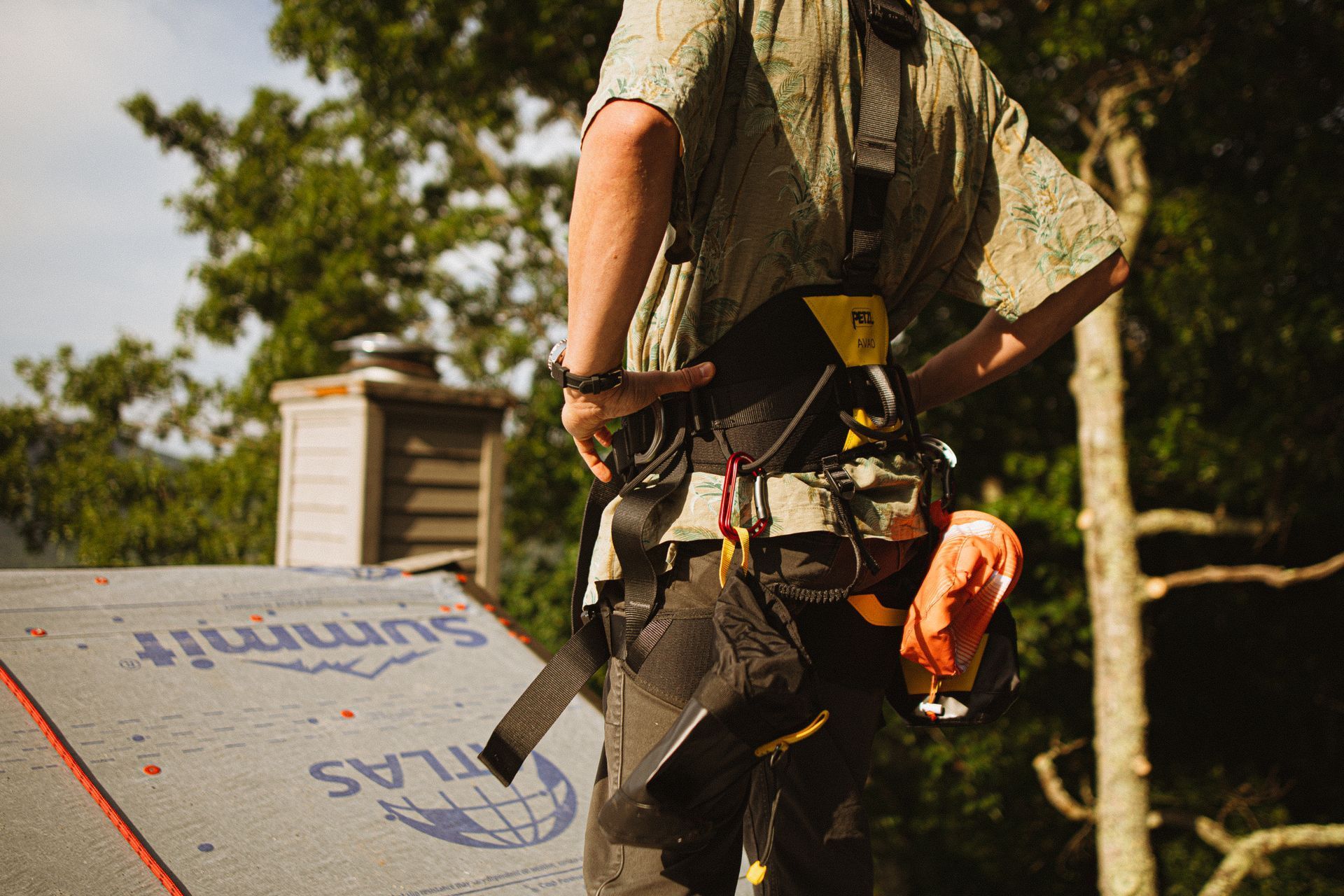
If the roof is open to the sky, it often needs tarp protection. This is safer and more effective when done by a trained crew with the right equipment and fall protection.
It also helps to start documenting early. Take clear photos and short videos of:
- Missing shingles, damaged gutters, or siding
- Roof debris in the yard or driveway
- Ceiling stains, damp drywall, and wet insulation
- Puddles or water trails inside
These images help with insurance and give roofing pros a better idea of what they are walking into before they even step on a ladder.
How to Spot Storm Damage on Your Roof
Not all storm damage is easy to see, and some of the worst issues start small. Knowing what to look for can help you catch problems before they grow.
From the ground, common signs of storm damage repair in Connecticut include:
- Shingles that are missing, cracked, or curled at the edges
- Loose or flapping shingles that move in the wind
- Bent, dented, or missing metal vents and flashing
- Dents or small impact marks from hail on shingles or metal parts
Inside the home, pay attention to:
- New water stains or brown rings on ceilings or walls
- Peeling paint or bubbling drywall
- Musty or damp smells that will not go away
- Wet or heavy attic insulation
After a strong storm, take a quick walk through upper floors and, if it is safe, look into the attic with a flashlight. You may see damp wood, discolored nails, or small drips that only show up during heavy rain.
It can be hard to know when to call for help and when to just keep an eye on things. We suggest a prompt professional inspection if:
- You see active leaks or repeated drips
- There are large areas of missing or torn shingles
- Part of the roof looks uneven or sagging
- Gutters or flashing are clearly pulled away from the roof
Even if the roof looks fine from the yard, a certified roofer can find loose materials, hidden cracks, and early signs of trouble that are easy to miss from the ground.
Making Storm Damage Repair Less Stressful
A careful roof inspection is the base for any good repair plan. When we inspect a roof after a storm, we look at both the outside and the inside. That usually includes checking:
- Shingles for cracks, lifting, and impact marks
- Flashing around chimneys, skylights, and walls
- Vents, pipe boots, and other roof openings
- Gutters and downspouts for bending or clogs
- The attic for leaks, wet wood, or poor airflow
From there, a detailed written report with photos and clear notes helps you understand what is actually going on. The goal is to explain what we see, not to push you into a full replacement if a solid repair will do the job.
Often, storm work comes down to a choice between repair and replacement. Some of the factors we look at are:
- Age of the roof and type of materials
- How widespread the damage is across the roof
- Past repair history and weak spots
- The risk of more leaks if only part of the roof is fixed
A trustworthy contractor will walk you through each option in plain language. You should know what is being done, why it is needed, about how long it will take, and what to expect once the job is complete.
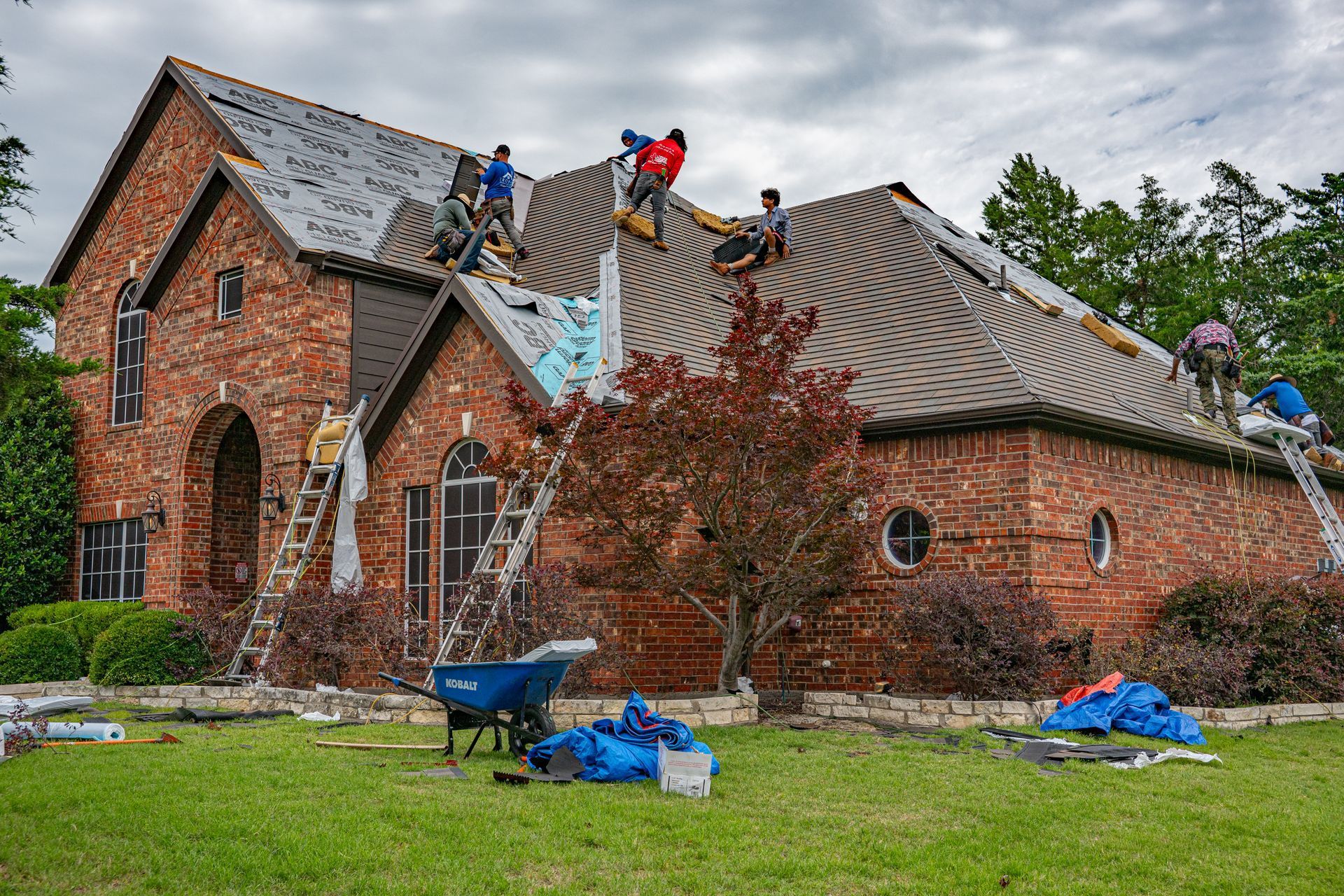
Quality materials and careful workmanship are key for long-term results. Working with a GAF Certified contractor means access to proven roofing systems and strong warranty options. Just as important, the crew needs to pay attention to the details that protect your home in the long run, like:
- Proper fastening so shingles stay put in strong wind
- Tight, well-sealed flashing in all high-risk areas
- Balanced ventilation so heat and moisture do not build up in the attic
When these pieces are done right, your roof is better prepared for the next round of severe weather.
Insurance Claims Without the Headache
Many property owners feel uneasy about insurance claims. The process can seem slow and confusing, especially when you are worried about more water coming in during the next rain.
In general, the claim process looks something like this:
- You report the storm damage to your insurance company
- An adjuster is assigned and sets a time to inspect your property
- You gather estimates from qualified roofing contractors
- The insurer reviews the claim and approves covered work
Policies can vary, so it is always smart to review your own coverage, including any deductibles and limits for wind or hail.
A roofing contractor can play a helpful role here. We can:
- Perform a detailed inspection and create a clear report
- Take organized photos that show damage up close and from a wider view
- Help explain which issues are related to the storm and which are pre-existing
When possible, it is helpful to have your roofer available when the adjuster visits. That way, technical questions can be answered on the spot, and any less obvious damage can be pointed out before the adjuster finishes their notes.
Throughout the repair process, regular communication makes a big difference. You should know:
- When materials will arrive
- When crews will be on site
- How long each phase of work is expected to take
An experienced local team can help with paperwork, keep you updated, and work to reduce delays so the roof is back in shape as soon as possible.
Preparing for the Next Connecticut Storm Season
Once repairs are done, it helps to think ahead. Roofs last longer and handle storms better when they get a little attention before problems pop up.
Off-season maintenance can include:
- Scheduling a routine roof inspection before and after storm-heavy times
- Cleaning gutters so water can drain away instead of backing up under shingles
- Trimming branches that hang over the roof and can break in high wind
- Checking for minor issues like loose flashing or small shingle cracks
If your roof is older or has had several repairs, you might also ask about upgrades that can make it stronger in rough weather. Some options are:
- Higher-grade shingles that stand up better to wind
- Improved flashing around chimneys and walls
- Better attic ventilation to help control temperature and moisture
When upgrades are timed with needed repairs, you get more value and less disruption.
Finally, it helps to build a long-term relationship with a local roofing company you trust. When the same team has worked on your roof over time, they know its history and can respond faster after a storm. You will already know who to call, what to expect, and how they communicate, which takes a lot of stress out of an already tense situation.
Restore Your Home With Expert Storm Damage Repair Today
If your roof or siding was hit by a recent storm, we can guide you through every step of inspection, documentation, and insurance restoration. Learn how our specialists handle
storm damage repair in Connecticut so your home is protected for the long term. At Shingle Brothers, we work quickly and carefully to minimize disruption and keep your project on track. Ready to schedule an assessment or ask questions about your options? Just
contact us and our team will follow up promptly.