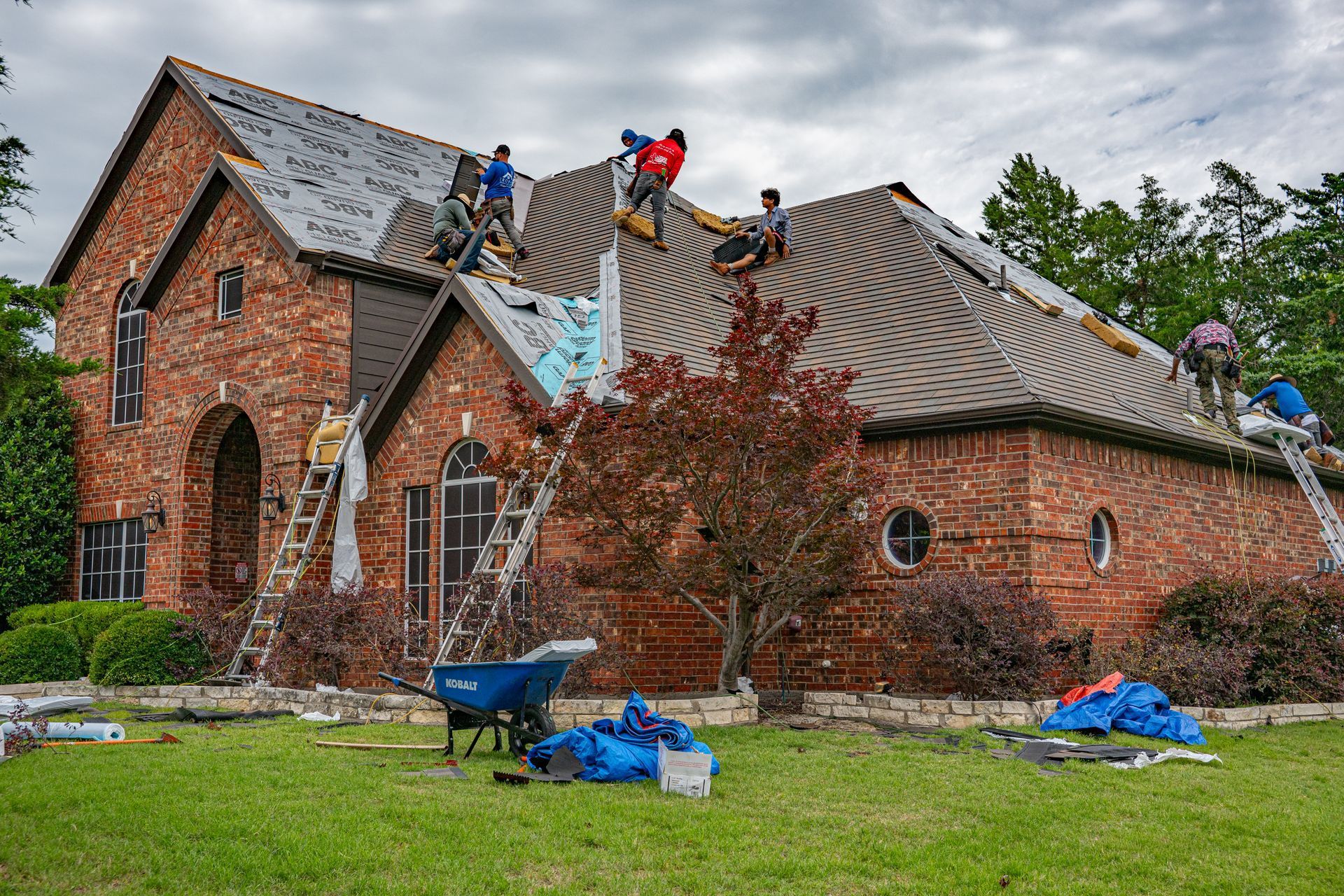
Stop a Small Drip From Becoming Major
Damage
A small roof leak can feel like a minor annoyance, just a drip in a bucket during a storm. In Connecticut homes, though, that small drip can turn into stained ceilings, mold, and even structural trouble faster than many people expect. Our mix of spring rains, summer storms, and long winters is tough on every roof.
Not every leak is an emergency, and that is important to remember. Some issues can be handled with a planned repair, while others need fast action to protect your home, your budget, and your peace of mind. The key is knowing which is which, and acting before things get worse.
We are a GAF Certified roofing contractor serving Litchfield County, and we focus on durable workmanship, honest assessments, and low-stress roof leak repair in Connecticut. In this article, we will walk through how local weather affects leaks, clear signs of an emergency, what to do right away, and how professional help can protect your home for the long term.
How Connecticut Weather Turns a Leak Into an Emergency
Roofs in our part of Connecticut deal with a lot of temperature swings. In winter, snow and ice sit on the roof, then melt and refreeze. That freeze-thaw cycle can open up tiny gaps in shingles, flashing, and nail holes. When the weather warms up and rain returns, those small gaps can quickly turn into active leaks.
Spring and summer bring their own problems. Heavy downpours and fast-moving thunderstorms can push water into weak spots that stayed dry all winter. Wind-driven rain has a way of finding every little flaw. It can do the following:
- Blow water under lifted or cracked shingles
- Force moisture into roof valleys where two slopes meet
- Sneak around chimneys, vents, and skylights if flashing is loose
- Drive rain under missing or damaged ridge caps
Long, steady rains that are common in May can be just as hard on a roof as a quick storm. Slow, soaking rain can saturate roof decking, attic insulation, and even ceiling drywall if a leak goes unnoticed. Once wood and insulation stay wet, the risk of mold growth and wood rot goes up, and repairs get more complex.
Older roofs, areas that were patched in the past, and shingles that were hit by wind or hail are more likely to leak under these conditions. Regular roof inspections help find these weak spots early so small issues can be fixed before they turn into an emergency inside your home.
Clear Signs Your Roof Leak Needs Urgent Attention
Some leaks can wait a short time for a scheduled repair. Others cannot. Here are warning signs that mean you should treat the problem as urgent:
- Ceiling stains that grow quickly during rain
- Bubbling, peeling, or sagging drywall or paint
- Water actively dripping, streaming, or running down walls during a storm
- Water appearing near lights, fans, or smoke detectors
Structural red flags are just as serious. If you notice:
- Soft or spongy spots on ceilings when you press gently
- Roof decking in the attic that looks bowed, warped, or darkened from moisture
- A sudden musty odor in one area combined with visible moisture or staining
Water and electricity are a dangerous mix. When moisture reaches light fixtures, outlets, or electrical panels, it can increase the risk of shorts or other hazards. Turning off power to that area and getting professional help becomes more important than trying to track the leak on your own.
If water is moving into multiple rooms, spreading across ceilings, or causing parts of the ceiling to sag, the situation has moved past a simple repair. In those cases, the priority is keeping everyone in the home safe and preventing a ceiling collapse or more widespread damage.
What to Do Immediately When Your Roof Starts Leaking
Once you notice a leak, a few simple steps can limit the damage until a roofing professional can assess the problem. Start by protecting your belongings and keeping the area as safe as possible.
First steps to take:
- Move furniture, rugs, and electronics away from the leak
- Place buckets or containers under active drips
- Put old towels or plastic sheeting on the floor to catch splashes
If you see a ceiling area bulging with water, avoid poking or cutting into it yourself. That can release more water than expected and may cause the ceiling to open wider. Instead, keep people and pets away from that area and get professional guidance right away.
If water is anywhere near lights, outlets, or switches, it is a good idea to turn off power to that section of the home at the breaker, if you can do so safely. Do not touch wet electrical fixtures. Keep children and pets out of rooms where the ceiling is sagging or where water is near power sources.
Taking clear photos and short videos can help later. Try to document:
- The ceiling stains or drips from below
- Any pooling water on floors or window sills
- Visible exterior issues from the ground, such as missing shingles or loose flashing
It might be tempting to climb up on the roof to look closer, especially when the leak feels urgent. We do not recommend that, especially during or right after a storm. Wet shingles are slippery, wind can be unpredictable, and it is easy to cause more damage or get hurt. A trusted local roofing contractor has the safety gear, training, and experience to inspect the roof safely.
Professional Repair, Insurance Claims, and Long-Term Protection
A roof leak often looks simple from inside the home, just a stain or drip in one spot. In reality, water can travel along rafters and framing before it shows up on your ceiling. That is why a professional inspection matters so much.
When we inspect a leaking roof, we look for the true source of the water, not only the visible signs. That may include checking shingles, flashing, roof valleys, chimneys, skylights, and attic spaces. From there, we can explain what we find and give clear, honest recommendations, whether the best option is a focused repair or a larger replacement.
If your leak is related to a storm, an insurance claim may come into play. Many homeowners are not sure where to start with that process. A roofing contractor who handles storm damage on a regular basis can help by:
- Documenting roof and interior damage with photos
- Explaining what type of repair or replacement is needed
- Communicating clearly about the scope of work for the adjuster
Durable workmanship and quality materials are a big part of preventing repeat leaks. In our climate, roofs must stand up to snow load, ice, wind, and heavy rain. When repairs are done with long-term performance in mind, you are less likely to face the same leak again at the next big storm.
Regular maintenance also makes a big difference. Simple habits, like keeping gutters clear so water can drain properly and fixing loose or missing shingles when they first appear, help protect the structure of the home and its interior finishes. Scheduled roof inspections can catch minor issues before they become emergencies, which saves time and stress for homeowners.
Protect Your Home with a Local Roofing Partner You Trust
Roof leaks are stressful, especially when water appears inside your home during a storm. Knowing what counts as an emergency, taking smart first steps, and bringing in experienced help can turn a chaotic moment into a manageable repair.
At Shingle Brothers, we are a local, GAF Certified roofing contractor serving Litchfield County homeowners who want clear answers and dependable roof leak repair in Connecticut. We believe in transparent communication, fair recommendations, and long-lasting solutions instead of quick patches that will not hold up. When you work with a local team you trust, roof leaks and storm damage feel a lot less overwhelming, and you can feel more confident that your home is protected in the next round of New England weather.
Get Started With Your Project Today
If you are seeing water stains or suspect hidden damage, let Shingle Brothers take a closer look before a small issue becomes a costly problem. Our experienced team specializes in
roof leak repair in Connecticut and will provide an honest assessment along with clear recommendations. Reach out today to schedule an inspection or request a repair estimate, and we will work around your schedule to make the process straightforward. If you prefer, you can also
contact us with a brief description of the problem and we will follow up promptly.