Connecticut Roof Inspection: Checklist, Time, Cost, and Prep Tips

June 27, 2026

Share this article

Get Peace of Mind Before Connecticut Storm Season


A roof inspection in Connecticut is one of the simplest ways to protect your home or business from surprise leaks and damage. Strong summer storms, hurricane remnants, and heavy winter weather all put real stress on your roof. Knowing its true condition before the next big system hits can save you a lot of worry.


A professional inspection looks at your roof from the outside and inside. Roofers check shingles or membrane, flashing, gutters, attic spaces, and interior ceilings. The goal is to catch small issues before they turn into water damage, mold, or expensive repairs.


At Shingle Brothers, we focus on honest assessments and clear explanations. We want you to understand what is going on with your roof and why certain work is or is not needed. In this guide, we will walk through what roofers check, when to schedule an inspection, how long it usually takes, what you can do to prepare, and how to read the results.


When to Schedule a Roof Inspection in Connecticut


In our Litchfield County climate, roofs take a beating. It is smart to plan regular checkups, and also call for an inspection when you notice changes.


Common times to schedule a roof inspection in Connecticut include: 


  • After strong wind, hail, or heavy rain 
  • When buying or selling a home or commercial building 
  • If you see missing, cracked, or curled shingles 
  • When you find granules collecting in gutters or at downspout outlets 
  • If your roof is about 10 to 15 years old or more 


Connecticut weather brings heavy snow loads, ice, and freeze-thaw cycles in winter, then hot sun and temperature swings in summer. This can speed up wear on: 


  • Shingles or flat roofing membranes 
  • Flashing around chimneys, skylights, and vents 
  • Sealants at roof edges and penetrations 


There are two main types of inspections. Routine maintenance inspections check overall condition and help plan ahead. Damage or insurance inspections focus on specific storm or impact issues.


For most residential homes, a regular inspection every year or two is a good idea. Commercial properties, especially flat or low-slope roofs, may need more frequent checks because ponding water and foot traffic can cause problems faster.


What Roofers Check Outside, in Attics, and Indoors


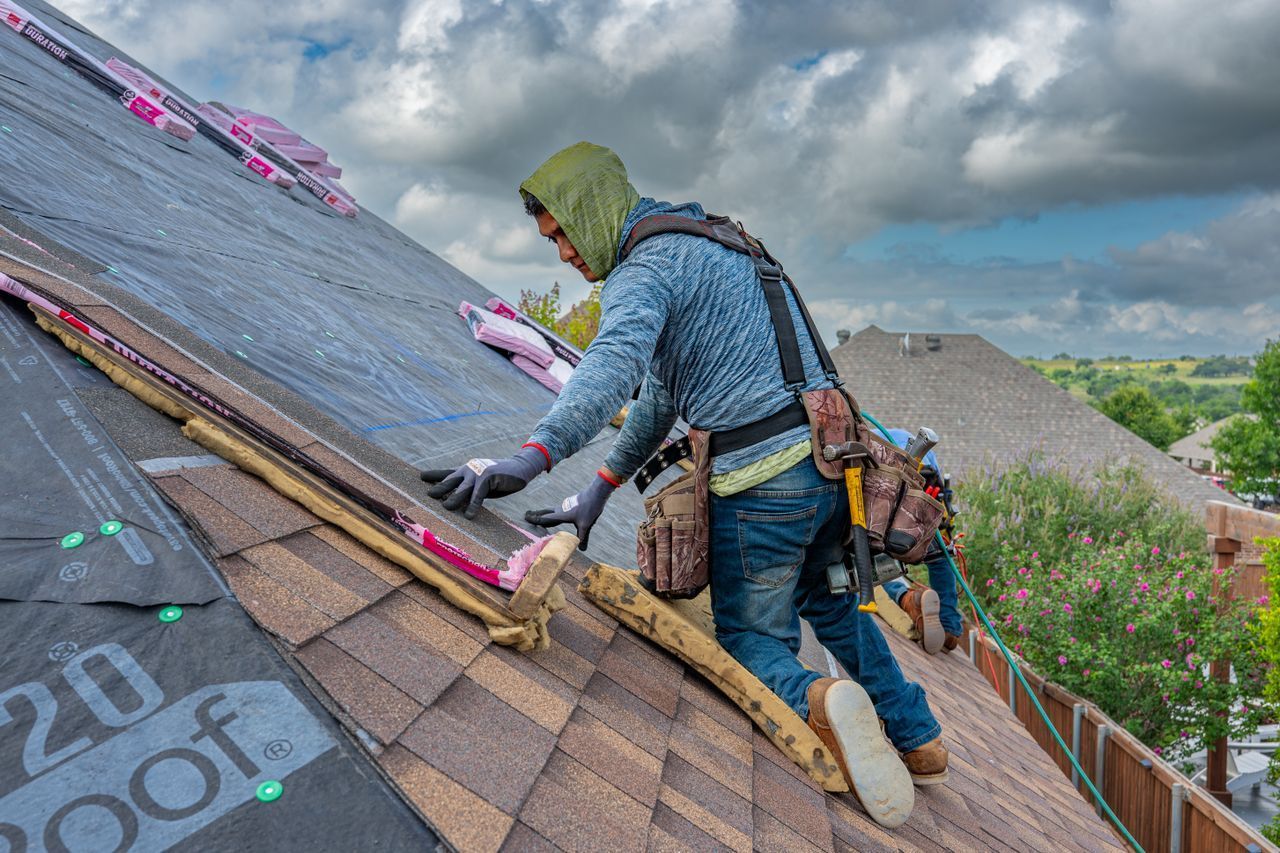
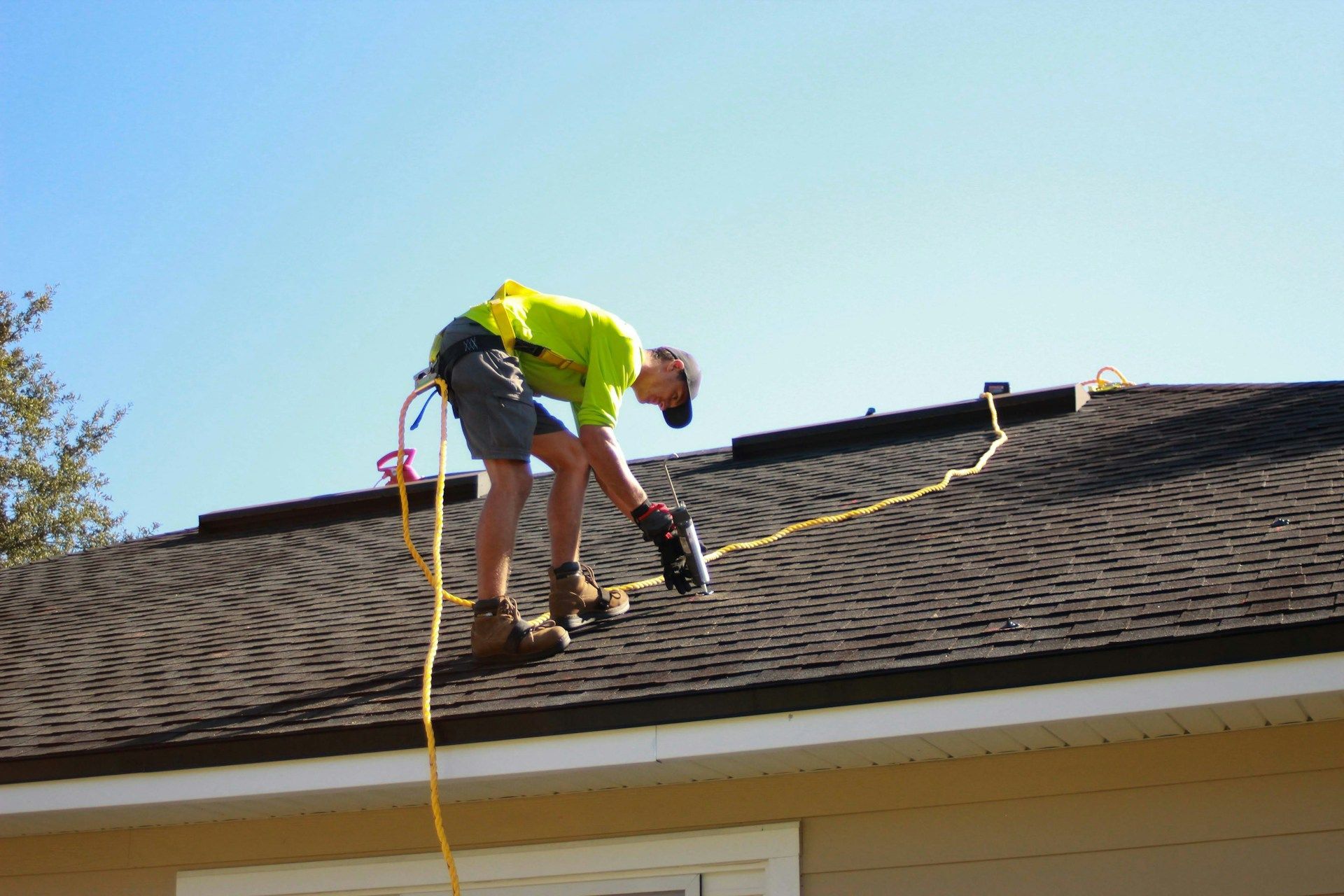
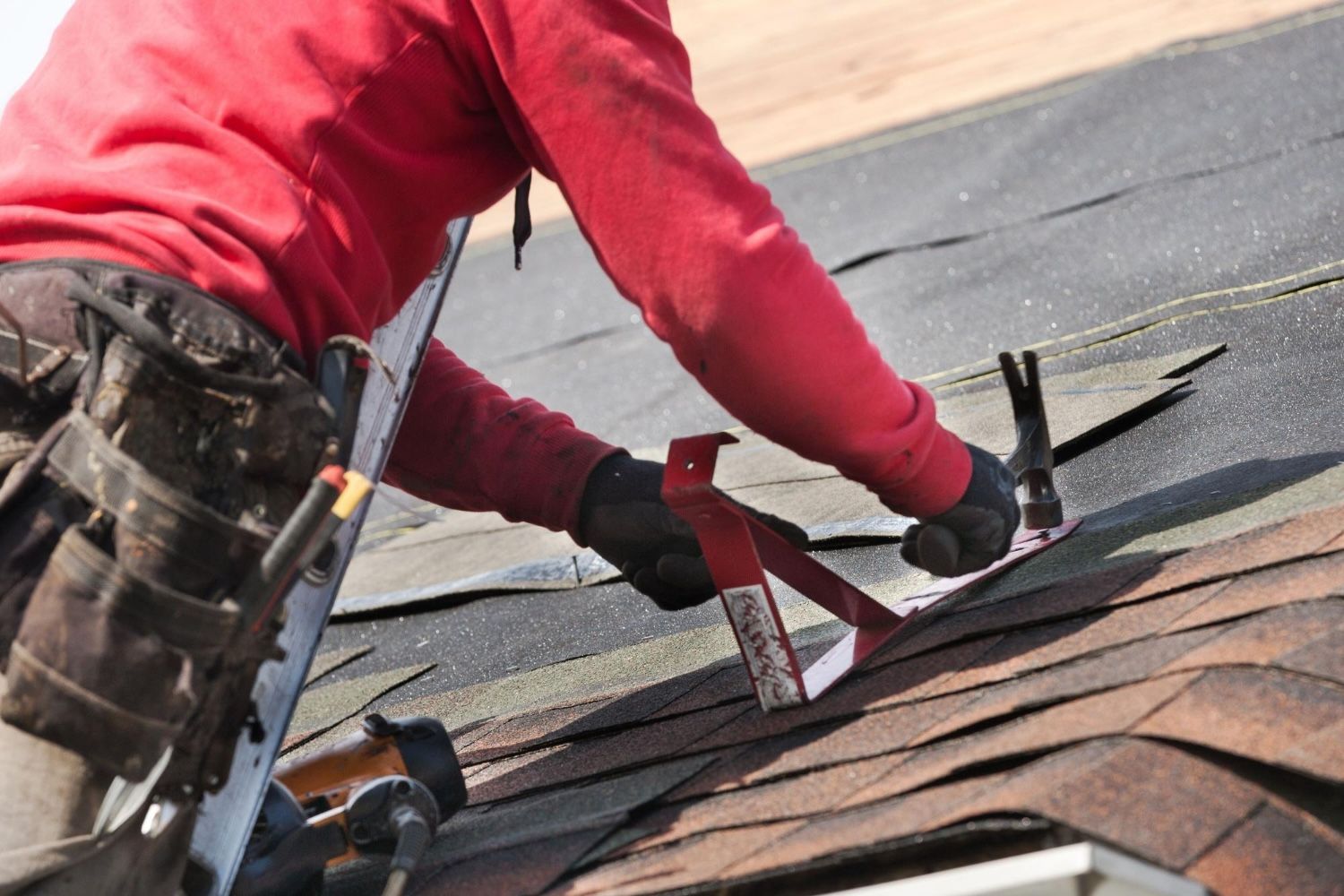
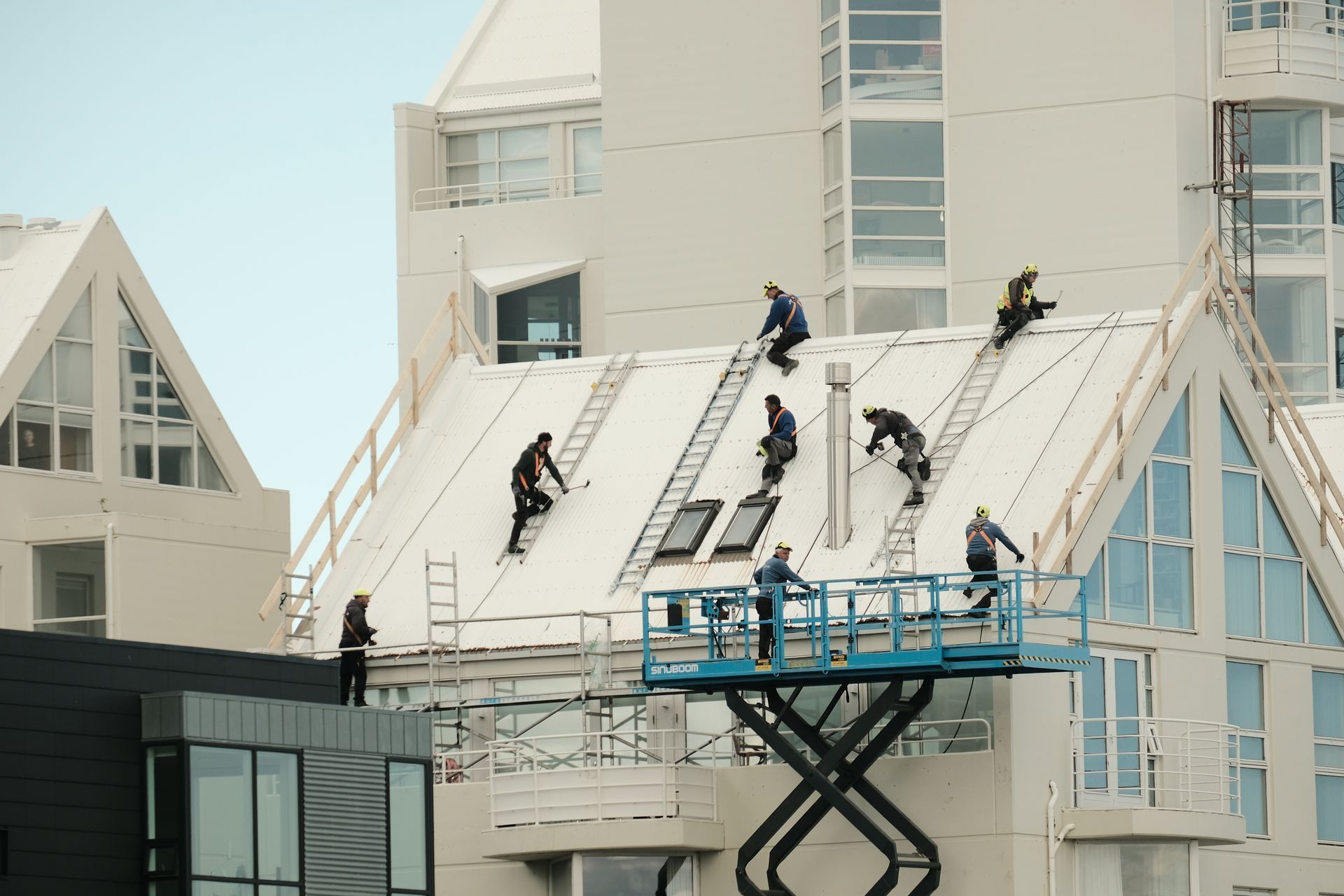
On the outside, roofers work through a detailed checklist. They are not just glancing from the driveway. They are looking closely for signs that water could get in, even if you do not see leaks yet.


Typical exterior checks include: 


  • Shingles, tiles, or membranes: cracks, curling, blisters, bare spots 
  • Ridge caps and roof edges: loose pieces, gaps, or missing materials 
  • Flashing: metal around chimneys, skylights, pipes, and walls 
  • Roof penetrations: vents, boots, and any areas cut into the roof 


Gutters and downspouts matter too. Inspectors check for:


  • Clogs from leaves, sticks, or roofing pieces 
  • Loose or sagging gutter runs 
  • Downspouts that are blocked or draining too close to the foundation 
  • Heavy shingle granules that may signal aging or failing shingles 


A good roofer also checks for subtle warning signs like soft spots in the decking, sagging areas, nail pops, or lifted shingles. These can allow water under the surface even when things still look fine from the yard.


On commercial roofs, the checklist often adds: 


  • Seams and joints in the membrane 
  • Areas where water ponds or drains slowly 
  • Roof drains and scuppers, to confirm water is moving away 
  • Punctures, blisters, or open seams from foot traffic or falling debris 


Inside the home, the attic is a key part of a roof inspection in Connecticut. In the attic, roofers check for: 


  • Water stains on wood or insulation 
  • Damp or compressed insulation 
  • Wood rot or mold-like growth 
  • Rusty nails and metal hangers 
  • Daylight showing through roof boards 


Ventilation and insulation are also checked. Proper airflow and insulation help prevent ice dams in winter and reduce heat buildup in summer. This can extend roof life and improve comfort inside the home.


Inside living areas, roofers may look at: 


  • Ceiling stains or rings 
  • Peeling or bubbling paint 
  • Cracked or warped drywall or trim 
  • Soft or swollen areas around skylights or upper walls 


By comparing what they see outside, in the attic, and indoors, a trustworthy contractor can locate the real source of a problem instead of guessing.


How Long an Inspection Takes, What It Includes, and How to Prepare


Most roof inspections for a typical single-family home do not take very long. The time on site usually includes climbing and walking the roof, checking the attic, inspecting interior areas, and taking photos and notes.


Some things that affect the time include: 


  • Roof size and shape 
  • Steepness and number of levels 
  • How easy it is to set ladders and reach all areas 
  • Whether clear storm or leak damage is found 


Larger homes, buildings with multiple roof sections, and commercial properties naturally take longer, especially if there are flat sections, multiple roof systems, or many penetrations and drains.


Inspection costs can vary. In some cases, inspections are offered at no charge when they are part of a roof replacement estimate or an insurance-related storm check. Often, the cost covers: 


  • A written summary of the roof condition 
  • Photos of problem areas and overall views 
  • Clear recommendations and priorities 


Sometimes minor, simple items can be handled on the spot, such as resealing a small exposed nail or adjusting a loose shingle edge, depending on the situation and agreement.


You can make the process smoother with a little prep. Outside, try to: 


  • Move vehicles away from the home so ladders can be placed safely 
  • Pick up toys, furniture, or yard items near the roof line 
  • Secure pets that may be bothered by noise or strangers 


Inside, it helps to: 


  • Clear space around attic hatches or pull-down stairs 
  • Move items away from ceilings with known stains 
  • Have any past roof paperwork handy, such as repair invoices or warranty documents 
  • Make a short list of your concerns or photos of spots where you saw leaks 


There may be some noise while inspectors walk the roof or move ladders. A professional crew will focus on safety and leave your property neat when they finish.


Understanding Your Roof Inspection Report and Storm Support


A good roof inspection report should be easy to read, even if you are not in the construction field. It should explain what was found, how serious it is, and what to do next.


You can expect a clear report to include: 


  • Photos of the overall roof and close-ups of issues 
  • Simple wording to describe what is wrong and why it matters 
  • Levels of priority, such as maintenance items versus urgent repairs 
  • Suggested next steps, like repair, monitoring, or planning for future replacement 


A reputable contractor focuses on the difference between normal wear and real risk. Not every mark on a shingle is an emergency. The goal is to be honest about what needs attention now, what can wait, and what can simply be watched over time.


When storms hit, the process is similar but with more focus on damage. After hail, wind, or falling branches, inspectors will: 


  • Check the roof surface for impact marks, missing pieces, or punctures 
  • Inspect metal, vents, and flashing for dents or bends 
  • Look at gutters, siding, and trim for signs of hits or tears 
  • Document damage with detailed photos and notes 


A reliable roofing contractor can support you through insurance questions by sharing clear reports and, when needed, talking with adjusters. The aim is to reduce stress, protect your property from further damage with temporary measures if needed, and bring your roof back to a solid, code-compliant condition.


At Shingle Brothers, we take pride in durable workmanship, straightforward communication, and honest recommendations for both homes and commercial buildings in Litchfield County and nearby areas. A roof inspection in Connecticut is not just about the shingles you see from the driveway; it is about protecting the structure, the interior, and the people and belongings under that roof for years to come.


Protect Your Home With a Professional Roof Inspection Today


If you are seeing signs of wear or worrying about storm damage, schedule a trusted roof inspection in Connecticut so we can pinpoint issues before they turn into costly repairs. At Shingle Brothers, we carefully evaluate your roof and explain our findings in clear, straightforward terms. Reach out so we can help you plan the right solution for your home, or contact us with any questions about your next steps.

Recent Posts

Roof Maintenance
By Randy Rankid July 5, 2026
Learn how roof maintenance in Connecticut prevents leaks, ice dams, and mold, and what a yearly plan can save you over 5 to 10 years. Check this out!
roof repair
June 28, 2026
Handle claims, schedule inspections, and restore your roof fast with stress-free storm damage repair in Connecticut from a GAF Certified contractor.
Chimney Flashing Repair
June 20, 2026
Learn the most common chimney flashing repair mistakes Connecticut homeowners make and how to prevent leaks, rot, and costly roof damage
roof replacement
June 13, 2026
Learn when to choose repair or replacement after a storm, plus tips for storm damage repair in Connecticut and working with your insurer fast.
Roof Maintenance
June 6, 2026
Stay ahead of leaks with this seasonal guide to roof maintenance in Connecticut, including spring, summer, fall, and winter tasks for homeowners.
roof inspection
May 30, 2026
Prepare for summer storms with a roof inspection in Connecticut to spot damage early, prevent leaks, and protect your home across Litchfield County CT.
May 19, 2026
Learn simple ways to prevent leaks and extend roof life with roof maintenance in Connecticut, including inspections, gutter care, and fixes
May 16, 2026
Learn when water intrusion becomes urgent and how to get roof leak repair in Connecticut fast, safely, and with less stress from claims and repairs.
May 9, 2026
Learn when and how emergency roof tarping protects Connecticut homes from leaks, limits storm damage, and supports smoother insurance claims
May 7, 2026
A roof replacement in Connecticut typically costs between $9,000 and $18,000 for a standard asphalt shingle installation on an average-sized home. The final price depends on your roof's size, pitch, material choice, and complexity. Connecticut pricing runs roughly 8–12% above national averages due to stricter licensing requirements, higher labor rates, and mandatory ice and water shield installation. We put together this guide to help you understand exactly what drives roof replacement costs in our state so you can budget confidently and avoid surprises when it's time to invest in a new roof. Summary The average Connecticut homeowner pays between $9,000 and $18,000 for a full asphalt shingle roof replacement in 2026, with premium materials pushing costs to $28,000 or more. Roof size, pitch, material selection, and the condition of your existing decking are the four biggest factors that determine your final price. Connecticut's mandatory Home Improvement Contractor (HIC) licensing and strict building codes contribute to costs that sit above the national average. Scheduling your project during the spring or early fall can help you secure better availability and potentially more competitive pricing from contractors. What Connecticut Homeowners Actually Pay for a New Roof Let's get into the real numbers. For a typical single-family home with a roof area around 1,700 to 2,000 square feet, here's what you can expect to pay in 2026 based on material type: 3-tab asphalt shingles: $3.25–$5.25 per square foot installed, making them the most budget-friendly option Architectural (dimensional) shingles: $4.25–$8.25 per square foot installed, the most popular choice used in approximately 70% of residential replacements statewide Standing seam metal roofing: $9.00–$15.50 per square foot installed, with total project costs commonly starting around $22,000 Natural slate: $12.00–$24.00 per square foot installed, best suited for historic homes or those seeking a premium aesthetic The roofing material you choose is the single largest variable in your total project cost. For most Connecticut homeowners, architectural asphalt shingles offer the best balance between durability, appearance, and value. Key Takeaways A standard 2,000 sq. ft. asphalt shingle roof replacement runs between $12,000 and $20,000 in Connecticut. Architectural shingles dominate the market, making up about 70% of residential roof replacements across the state. The Biggest Factors That Drive Your Roof Replacement Cost Understanding why prices vary so much from one home to the next will help you evaluate contractor quotes more effectively. Here are the main cost drivers we see on Connecticut roofing projects. Roof Size and Complexity A simple ranch-style roof with broad, open planes costs significantly less to replace than a colonial with dormers, valleys, and multiple elevations. More cuts, more flashing work, and more material waste translate directly to higher labor hours and costs. Roof Pitch and Steepness Steeper roofs require specialized safety equipment and slow down the crew's pace considerably. If your roof can't be walked safely, expect to pay a premium for additional labor time and equipment. Decking and Structural Repairs Once the old shingles come off, your contractor may find rotted or moisture-damaged sheathing underneath — especially around chimneys, skylights, and valleys where ice dams have caused long-term water infiltration. Replacing damaged decking typically adds $2.50 to $5.00 per square foot in affected areas, with most Connecticut projects requiring one to three replacement sheets at $150 to $600 total. Connecticut-Specific Code Requirements Our state building code requires ice and water shield membrane extending from the eave edge at least 24 inches past the interior wall line, plus full valley coverage. This adds roughly $0.50 to $1.00 per square foot to every project. Key Takeaways Dormers, valleys, and steep pitches all increase labor costs more than most homeowners expect. Budget $150–$600 for decking repairs, which are discovered only after tear-off begins. Hidden Costs You Should Know About Before Signing a Contract Beyond the big-ticket items, several additional expenses can catch you off guard if you're not prepared. Tear-off and disposal of your existing roof typically runs $1.50 to $3.00 per square foot, with multi-layer removal costing more. Most Connecticut municipalities require a roofing permit at $100 to $500 depending on your town. And if your gutters, drip edge, or flashing need upgrading, that can add $1,000 to $3,000 to the project. We always recommend asking your contractor for a detailed, itemized estimate. A trustworthy roofer will walk you through the full scope before work begins. That's how we approach every project at Shingle Brothers — you'll know what's happening and what it costs before we start. You can learn more about how our team works and the values we bring to every job. Key Takeaways Always ask for an itemized estimate that includes tear-off, permits, and potential add-ons. Multi-layer tear-off and gutter upgrades are common "extras" that add to your total. When Is the Best Time to Replace Your Roof in Connecticut Scheduling your roof replacement between May and early October gives you the best weather conditions and material performance. Temperatures between 50°F and 85°F allow asphalt shingles to seal properly and give crews ideal working conditions. Winter installations are possible but often come with complications from ice and shingle adhesion issues. Booking during the off-season (late fall or early winter) sometimes means more flexibility and potential savings of 10–20%, since contractor demand drops during colder months. K ey Takeaways Late spring through early fall is the ideal window for roof replacement in Connecticut. Off-season scheduling can save you money, but weather-related risks increase. How to Get an Accurate Estimate for Your Connecticut Roof Replacement The best way to understand what your specific roof will cost is to get an on-site inspection from a qualified contractor. Online calculators are helpful starting points, but they can't account for hidden decking damage, ventilation issues, or unusual flashing needs. When comparing quotes, look for contractors who are licensed, insured, and manufacturer-certified. A GAF Certified contractor must meet strict standards for training, reliability, and installation quality , which also unlocks manufacturer-backed warranties on your materials. We hold this certification at Shingle Brothers, and we pair it with our own 10-year transferable workmanship warranty on every roof replacement we complete across Connecticut. Get at least two to three written estimates and compare them line by line. The cheapest quote isn't always the best value if it leaves out tear-off, ice and water shield, or proper flashing work. Key Takeaways Online calculators give ballpark numbers, but only an on-site inspection reveals the full picture. Always verify that your contractor is licensed, insured, and manufacturer-certified before signing. Ready to Find Out What Your Roof Will Cost? If you're a Connecticut homeowner thinking about a roof replacement, we'd love to help. At Shingle Brothers, we offer free roof estimates with honest, transparent pricing — no pressure, no hidden fees. Give us a call at  (860) 459-8385  to schedule your free inspection, and we'll walk you through your roof's condition and what a replacement would cost for your home.