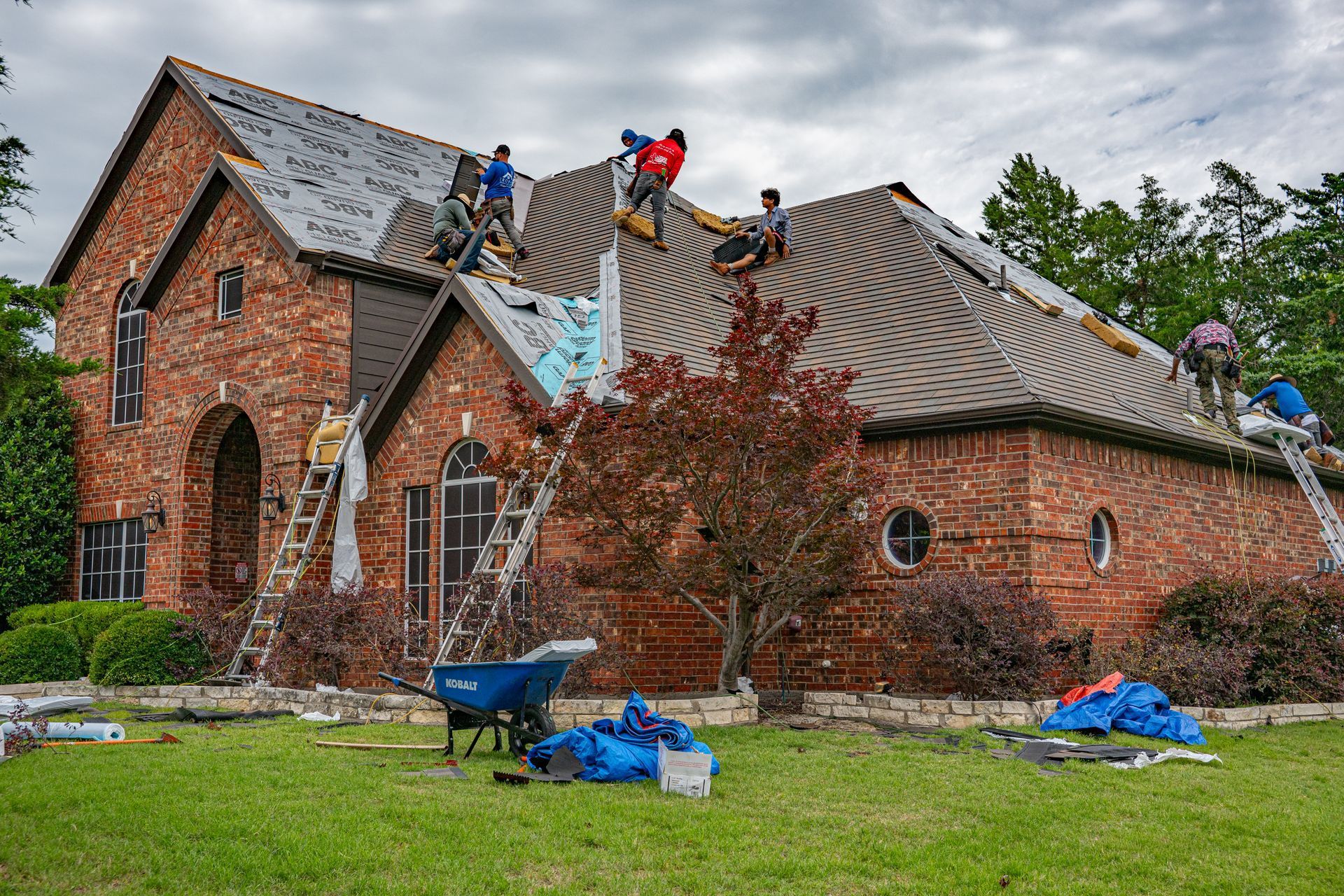
Protect Your Roof Between Connecticut Storms
Roof maintenance in Connecticut is not only about what happens after a big storm. The quiet weeks between thunderstorms, heavy rain, and winter nor'easters are when small roof problems either get fixed or slowly get worse. Those in-between times are when your roof either stays strong or starts to break down.
Many homeowners only look up at the roof when shingles blow off or a ceiling stain shows up. But regular, simple care is what actually keeps water out, protects your attic and walls, and helps your shingles last. Waiting for obvious damage often means dealing with leaks, stress, and rushed repairs.
We are Shingle Brothers, a GAF Certified roofing contractor serving homes and businesses across Litchfield County. Our focus is long-lasting workmanship, clear communication, and honest roof assessments, so you know what your roof really needs. In this article, we will walk through the roof maintenance tasks Connecticut homeowners often forget, the early warning signs to watch for, and when it is time to bring in a professional roofer for a closer look.
Why Quiet Months Matter for Your Roof
Storms get the attention, but the daily weather between them does the slow damage. On a typical Connecticut roof, sun, heat, moisture, and cool nights work on the materials all the time, even on calm, blue-sky days.
Here is what is happening up there when it seems like nothing is going on:
- UV rays can dry out shingles and sealants
- Temperature swings can cause expansion and contraction in the roof deck and flashing
- Humid air can feed moss, algae, and wood rot
- Light winds can lift edges of shingles that are already loose
Little issues that start in those quiet months often go unnoticed, such as:
- A single lifted shingle or nail pop
- Hairline gaps in flashing around a chimney or vent
- Small cracks in sealant around skylights or pipe boots
All of these can turn into leaks during the next heavy rain or wind event. Water only needs a tiny opening to get under the shingles, run along the roof deck, and show up later as a stain in a totally different spot.
Planning roof maintenance in Connecticut on your own schedule is much less stressful than dealing with emergency buckets and towels during a downpour. Regular checks during calm weather give you time to:
- Catch problems early
- Decide on repairs without feeling rushed
- Spread out bigger projects like full roof replacement
Gutters, Downspouts, and Drainage Homeowners Skip
If water cannot leave the roof quickly, it will try to work its way into your home. That is why gutters, downspouts, and valleys are such an important part of roof maintenance in Connecticut.
Through late spring and summer, your roof and gutters collect all kinds of debris:
- Pollen and seed pods from trees
- Twigs and small branches from passing storms
- Early leaves, pine needles, and roof granules
When this material builds up, it clogs gutters and downspouts. During a storm, water can back up under the first row of shingles, soak the edge of the roof deck, and start to rot the fascia boards. In valleys, piles of debris can hold moisture against the shingles for days.
Clean, clear gutters help:
- Move water away from the roof edge
- Protect the fascia, soffits, and siding
- Keep water from pooling near the foundation
Homeowners can often do a basic visual check from the ground to see if gutters are overflowing or sagging. But any time ladders, heights, or steep slopes are involved, it is safer to rely on trained help. Professional gutter cleaning and inspection can catch things like loose spikes, separated seams, and hidden blockages that a quick look from the lawn will not reveal.
Hidden Roof Trouble Spots Most People Never Check
Some of the most common leak areas are also the easiest to forget, because they are not just flat shingle surfaces. They are where different parts of the roof come together or where something sticks through the roof.
Key areas to watch include:
- Flashing around chimneys, skylights, and walls
- Metal in roof valleys
- Pipe boots and vent surrounds
Flashing can crack, rust, or pull away over time. Even a tiny gap can let water in during wind-driven rain.
Your attic is another early warning zone that often gets ignored. A quick, safe check with a flashlight can reveal:
- Damp or matted insulation
- Dark spots or streaks on the underside of the roof deck
- Musty odors that suggest long-term moisture
- Spots where daylight shows through
From the ground, you can often spot signs that the roof surface needs a closer look:
- Missing, curled, or cracked shingles
- Shingle edges that look uneven or lifted
- Excess granules collecting in gutters or at downspout outlets
- Dried, split sealant around roof features you can see from the yard
If you see any of these, it is a good time to bring in a professional roofer to inspect more closely and explain what is really going on.
Preventative Roof Care for Connecticut’s Changing Seasons
Roof maintenance in Connecticut is not a one-time chore. The same roof has to deal with humid summers, fall leaves, winter snow, and spring storms. A simple, seasonal mindset helps keep things under control.
Late spring and summer are great times to:
- Clear gutters and downspouts
- Trim back branches hanging over the roof to reduce debris and limb damage
- Check shaded areas for algae or moss growth
- Schedule a professional roof inspection before hurricane season and strong summer storms
Catching small issues during warm weather makes fall and winter much easier. For example, fixing loose shingles and sealing around penetrations before freezing temperatures helps reduce the risk of:
- Ice dams at the roof edge
- Water backing up under shingles
- Sudden leaks from heavy snow loads or freeze-thaw cycles
Consistent roof maintenance in Connecticut, along with at least one professional inspection per year, helps your shingles reach their expected service life. For homeowners with GAF roofing systems, proper care can also help keep manufacturer warranties in good standing by showing that the roof has been looked after.
When to Call a Roofing Pro Instead of DIY
Some parts of roof care are not safe for most homeowners, and it is important to know where that line is. Safety should always come before curiosity or saving a little time.
You should avoid climbing on the roof if:
- Your home is more than one story
- The roof has a steep pitch
- Shingles look worn, brittle, or damaged
- There is visible sagging or soft spots
There are also clear signs that it is time for a professional roof inspection, not just a quick look from the lawn:
- Gutters that overflow even after cleaning attempts
- Interior stains on ceilings or walls after rain or snow melt
- Loose shingles, nails, or pieces of flashing found in the yard
- Areas of the roof that look warped or uneven
As a local GAF Certified roofing contractor, we at Shingle Brothers focus on making these inspections clear and low-stress. We take the time to look over the whole system, not just one trouble spot, then share what we find with photos and simple explanations. Our recommendations are straightforward, with repair or replacement options explained so you can make a confident choice about how to protect your home between the next round of Connecticut storms.
Get Started With Your Project Today
If you are ready to protect your home for the long term, our team at Shingle Brothers is here to help. Learn how regular
roof maintenance in Connecticut can prevent leaks, extend shingle life, and keep your home looking its best. Tell us about your roof and we will walk you through practical options, clear pricing, and a schedule that works for you. Have questions or want to schedule an inspection now, simply
contact us.