Connecticut Roof Maintenance Calendar: Spring, Summer, Fall, and Winter

June 6, 2026

Share this article

Protect Your Connecticut Roof in Every Season


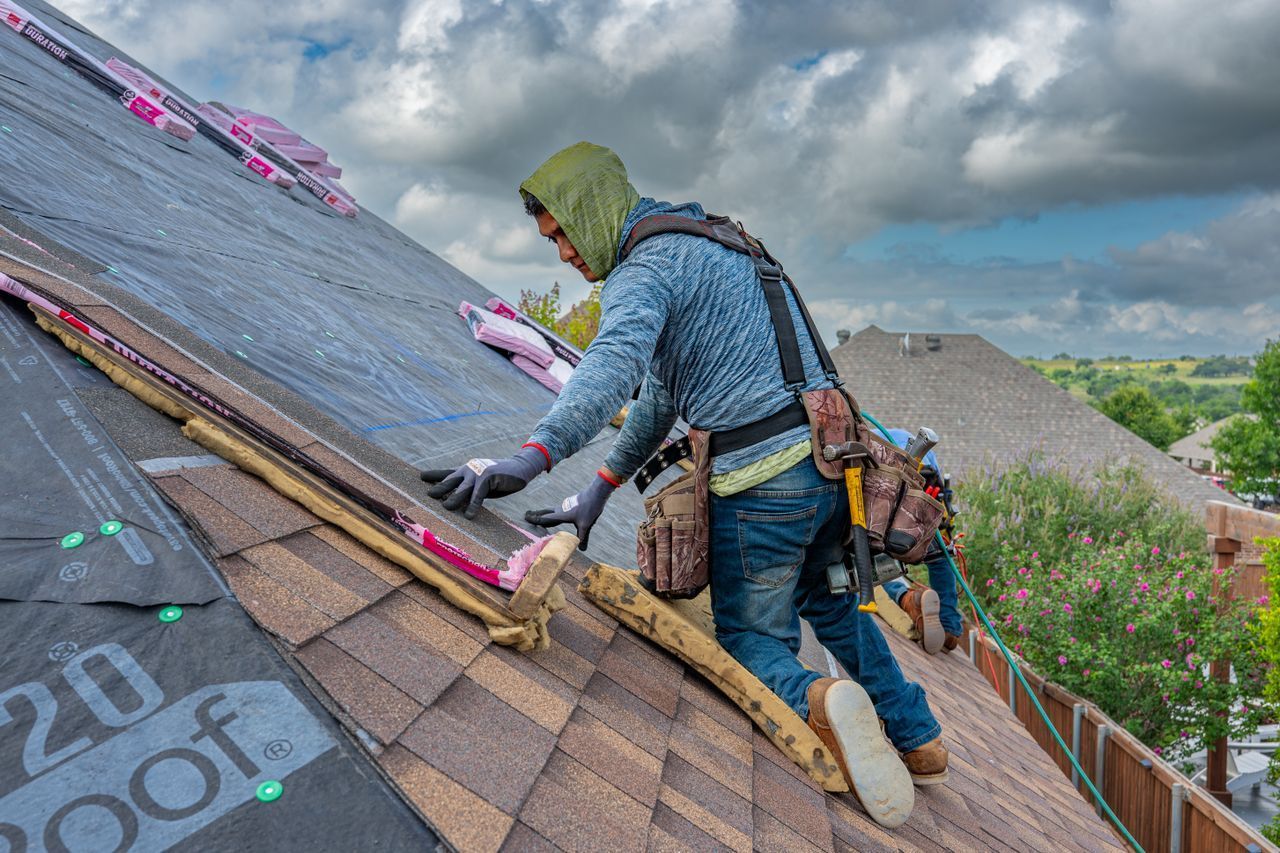
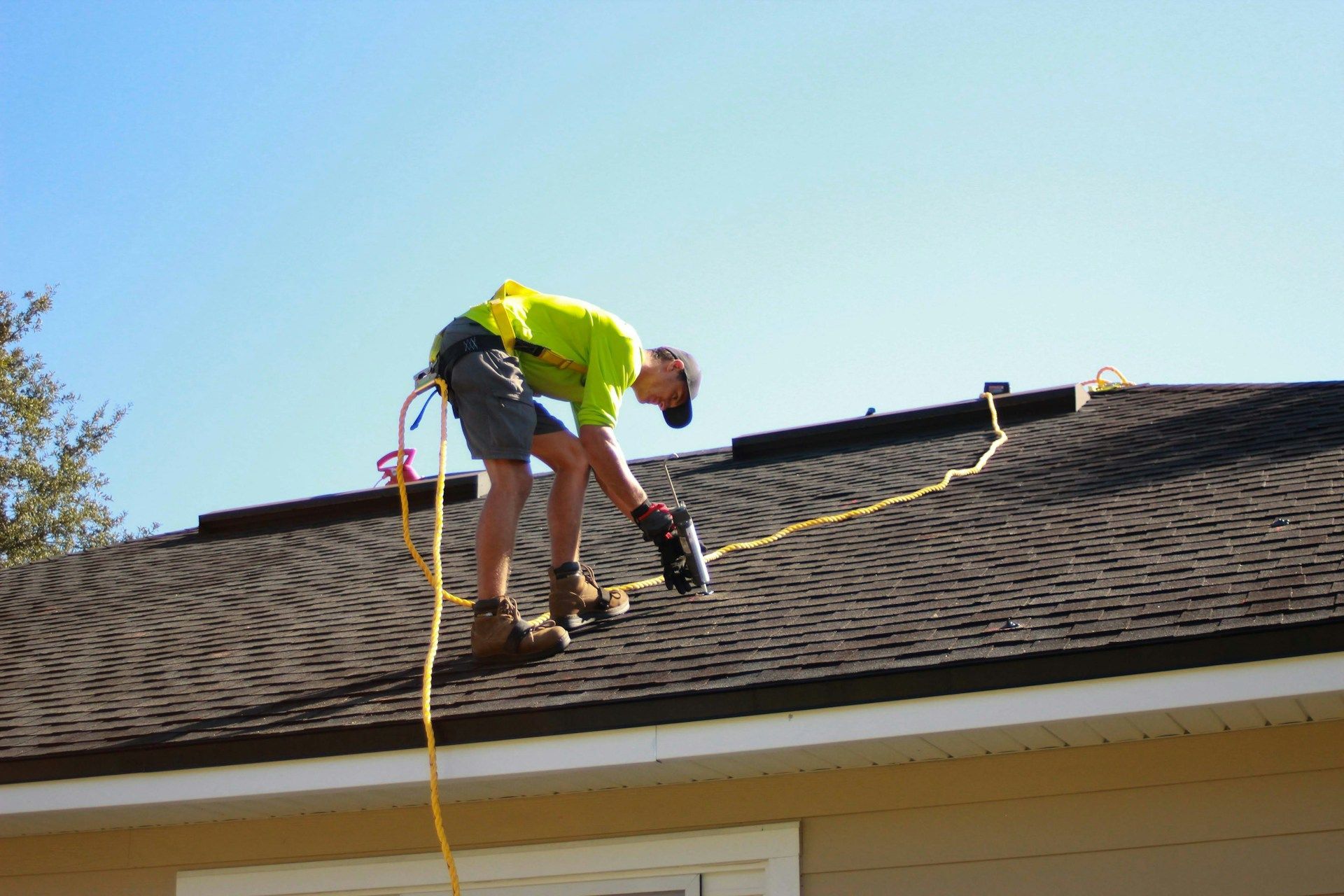
Roof maintenance in Connecticut is not one-size-fits-all. Our weather in Litchfield County swings from heavy snow and ice to hot, sunny summers and strong thunderstorms. Every season puts different stress on shingles, flashing, gutters, and the rest of your roofing system.


New England’s four distinct seasons bring snow loads, freeze-thaw cycles, summer heat, heavy rain, and high winds. If you ignore small issues, they can turn into leaks, interior damage, and even early roof failure. A simple seasonal roof maintenance calendar helps you stay ahead of problems and keep your home or business dry and protected.


We are Shingle Brothers, a local GAF-certified roofing contractor. We help property owners across Litchfield County with inspections, repairs, replacements, and emergency service. Here is how to care for your roof in spring, summer, fall, and winter so it can keep doing its job all year long.


Spring Roof Check After Snow and Ice


When the snow melts, spring is the time to see what winter left behind. Cold, ice, and shifting temperatures can loosen or damage roofing materials without you noticing right away.


Start by taking a careful look at your roof from the ground or from a safe, stable spot. Signs that winter was tough on your shingles and roofing include:


  • Missing, cracked, or curling shingles 
  • Exposed nail heads or nail pops 
  • Loose or bent flashing around chimneys, vents, and skylights 
  • Dark streaks or areas that look worn or uneven 


Inside, check ceilings, top-floor walls, and attic spaces:


  • Water stains or spots on drywall 
  • Peeling paint or bubbling plaster 
  • Musty odors in the attic or upper rooms 


Small problems, like a few damaged shingles, can sometimes be handled with simple repairs. But if you see wide areas of wear, multiple leaks, or sagging sections, that calls for a professional evaluation. Catching those issues early protects the structure below and helps extend the life of the roof.


Spring is also the right time to clear gutters and downspouts. Winter winds and late fall leaves often leave behind:


  • Packed leaves, twigs, and grit from shingles 
  • Sagging gutter sections or loose brackets 
  • Gaps between the gutter and the fascia 


Clogged or damaged gutters can cause water to back up under shingles or spill down siding and near your foundation. That same buildup can feed ice dams next winter. Many homeowners and business owners in Connecticut choose to let roofing professionals handle gutter work on higher or steeper roofs to stay safe.


Use your spring inspection to set the tone for the rest of the year. Take photos of any damage, especially after strong late winter storms, in case you need to file an insurance claim. A professional roof inspection in spring helps you understand your roof’s condition before summer storms move through.


Summer Sun, Heat, and Storm Readiness


Summer in Connecticut brings strong sun, high temperatures, and fast-moving storms. All of these can affect how well your roof performs.


Heat and UV rays can dry out shingles and other roofing materials over time. You may start to notice:


  • Faded, brittle, or blistered shingles 
  • Cracked sealant around roof penetrations 
  • Worn or loose flashing at chimneys and skylights 


These changes may not cause leaks right away, but they are early warning signs. Taking care of them now helps keep your roof watertight and looking good.


Summer is also prime time for thunderstorms, high winds, and heavy downpours. Good storm prep includes:


  • Trimming back tree branches that hang over the roof 
  • Checking vents, satellite mounts, and chimney caps so they are tight and secure 
  • For flat or low-slope commercial roofs, checking for ponding water and making sure drains and scuppers are clear 


Standing water on flat roofs can speed up wear and find its way into seams or small cracks. After any strong storm, a quick check for loose materials or new debris on the roof can save you trouble later.


Dry summer weather is ideal for many types of roofing work. Repairs, resealing, and even full replacement usually go more smoothly when surfaces are dry and temperatures are stable. Planning non-emergency work during summer also helps you avoid the busy fall season so you are ready before cold weather returns.


Fall Prep Before New England Winter Weather


Fall is your chance to get ready for snow, ice, and long stretches of cold. A clean, clear roof and gutter system handles winter weather much better.


Start by clearing debris from the roof. On both homes and commercial buildings, leaves, branches, pine needles, and moss tend to collect:


  • In roof valleys 
  • Around chimneys and skylights 
  • Along low spots on flat roofs 


This debris traps moisture and can push water sideways, under shingles or roofing membranes. On commercial properties, it is especially important to confirm that flat roof drains and scuppers are fully open before everything starts to freeze.


Next, think about ice dams and snow loads. In Connecticut, ice dams often form when:


  • Gutters are clogged and cannot drain meltwater 
  • Attic spaces are warm in some areas and cold in others 
  • Roof surfaces heat unevenly and snow melts then refreezes at the edges 


Have a professional check attic insulation and ventilation. Improving airflow can lower ice dam risk and help keep heating costs steady. It can also reduce the chance of condensation and mold in the attic.


Before winter, it is also smart to:


  • Inspect snow guards, roof fasteners, and other accessories 
  • Look for any open seams, cracked sealants, or loose flashing that could let in wind-driven snow 
  • Make sure chimney caps and vent covers are secure 


A detailed fall inspection helps catch issues that are much harder and sometimes more expensive to address in mid-winter. It is also a good time to think about a winter storm plan so you know who to call if you spot leaks or see damage after a major storm.


Winter Watch: Staying Safe and Preventing Damage


Winter is when your preparation pays off, but it is also when problems tend to show themselves. Your main goals are safety and quick response.


Snow loads vary by roof type and structure, but heavy, wet snow or drifting piles can add a lot of weight. Warning signs include:


  • Interior doors that start to stick or jam on upper floors 
  • New cracks in drywall near ceilings 
  • Noticeable sagging in rooflines or ceilings 


Aggressive DIY snow removal can damage shingles or roofing membranes and can be dangerous. For steep roofs or heavy snow buildup, it is safer to rely on professional snow and ice removal services that know how to protect both people and roofing materials.


Keep an eye out for winter warning signs such as:


  • New water spots on ceilings or walls 
  • Peeling paint near the ceiling line 
  • Ice forming along roof edges or unusually large icicles 
  • Dripping inside during a thaw 


These issues can point to ice dams, flashing problems, or attic ventilation issues that need quick attention. Addressing small leaks or ice-related problems promptly helps prevent larger structural repairs and interior damage later on.


When winter storms cause active leaks or visible roof damage, fast support matters. A professional roofing team can locate the source, make temporary repairs if needed, and help document damage for insurance. Clear photos, clear notes, and guidance during the claim process reduce stress during an already challenging time.


Stay Ahead with a Local Roof Maintenance Partner


Following a simple seasonal roof maintenance calendar is one of the best ways to protect your home or business, extend the life of your roof, and keep long-term costs under control. Each season in Connecticut brings different challenges, but with regular checks and timely care, your roof can handle them.


We recommend keeping a short checklist for spring, summer, fall, and winter that includes basic visual checks and reminders to review your attic, gutters, and nearby trees. For deeper inspections, storm assessments, and honest advice about whether repair or replacement makes more sense, a local roofing partner like Shingle Brothers can give you clear information and dependable workmanship so you can feel confident your property is protected year-round.


Get Started With Your Project Today


Protect your home year-round with expert roof maintenance in Connecticut tailored to your roof’s age, material, and condition. At Shingle Brothers, we inspect, repair, and maintain your roof so small issues never turn into expensive surprises. If you are ready to schedule an estimate or have questions about your roof, contact us and we will help you plan the next steps.

Recent Posts

Roof Maintenance
By Randy Rankid July 5, 2026
Learn how roof maintenance in Connecticut prevents leaks, ice dams, and mold, and what a yearly plan can save you over 5 to 10 years. Check this out!
roof repair
June 28, 2026
Handle claims, schedule inspections, and restore your roof fast with stress-free storm damage repair in Connecticut from a GAF Certified contractor.
Roof Inspection
June 27, 2026
Learn what happens during a roof inspection in Connecticut, including a checklist, typical time and cost, and how to prep your home for the visit.
Chimney Flashing Repair
June 20, 2026
Learn the most common chimney flashing repair mistakes Connecticut homeowners make and how to prevent leaks, rot, and costly roof damage
roof replacement
June 13, 2026
Learn when to choose repair or replacement after a storm, plus tips for storm damage repair in Connecticut and working with your insurer fast.
roof inspection
May 30, 2026
Prepare for summer storms with a roof inspection in Connecticut to spot damage early, prevent leaks, and protect your home across Litchfield County CT.
May 19, 2026
Learn simple ways to prevent leaks and extend roof life with roof maintenance in Connecticut, including inspections, gutter care, and fixes
May 16, 2026
Learn when water intrusion becomes urgent and how to get roof leak repair in Connecticut fast, safely, and with less stress from claims and repairs.
May 9, 2026
Learn when and how emergency roof tarping protects Connecticut homes from leaks, limits storm damage, and supports smoother insurance claims
May 7, 2026
A roof replacement in Connecticut typically costs between $9,000 and $18,000 for a standard asphalt shingle installation on an average-sized home. The final price depends on your roof's size, pitch, material choice, and complexity. Connecticut pricing runs roughly 8–12% above national averages due to stricter licensing requirements, higher labor rates, and mandatory ice and water shield installation. We put together this guide to help you understand exactly what drives roof replacement costs in our state so you can budget confidently and avoid surprises when it's time to invest in a new roof. Summary The average Connecticut homeowner pays between $9,000 and $18,000 for a full asphalt shingle roof replacement in 2026, with premium materials pushing costs to $28,000 or more. Roof size, pitch, material selection, and the condition of your existing decking are the four biggest factors that determine your final price. Connecticut's mandatory Home Improvement Contractor (HIC) licensing and strict building codes contribute to costs that sit above the national average. Scheduling your project during the spring or early fall can help you secure better availability and potentially more competitive pricing from contractors. What Connecticut Homeowners Actually Pay for a New Roof Let's get into the real numbers. For a typical single-family home with a roof area around 1,700 to 2,000 square feet, here's what you can expect to pay in 2026 based on material type: 3-tab asphalt shingles: $3.25–$5.25 per square foot installed, making them the most budget-friendly option Architectural (dimensional) shingles: $4.25–$8.25 per square foot installed, the most popular choice used in approximately 70% of residential replacements statewide Standing seam metal roofing: $9.00–$15.50 per square foot installed, with total project costs commonly starting around $22,000 Natural slate: $12.00–$24.00 per square foot installed, best suited for historic homes or those seeking a premium aesthetic The roofing material you choose is the single largest variable in your total project cost. For most Connecticut homeowners, architectural asphalt shingles offer the best balance between durability, appearance, and value. Key Takeaways A standard 2,000 sq. ft. asphalt shingle roof replacement runs between $12,000 and $20,000 in Connecticut. Architectural shingles dominate the market, making up about 70% of residential roof replacements across the state. The Biggest Factors That Drive Your Roof Replacement Cost Understanding why prices vary so much from one home to the next will help you evaluate contractor quotes more effectively. Here are the main cost drivers we see on Connecticut roofing projects. Roof Size and Complexity A simple ranch-style roof with broad, open planes costs significantly less to replace than a colonial with dormers, valleys, and multiple elevations. More cuts, more flashing work, and more material waste translate directly to higher labor hours and costs. Roof Pitch and Steepness Steeper roofs require specialized safety equipment and slow down the crew's pace considerably. If your roof can't be walked safely, expect to pay a premium for additional labor time and equipment. Decking and Structural Repairs Once the old shingles come off, your contractor may find rotted or moisture-damaged sheathing underneath — especially around chimneys, skylights, and valleys where ice dams have caused long-term water infiltration. Replacing damaged decking typically adds $2.50 to $5.00 per square foot in affected areas, with most Connecticut projects requiring one to three replacement sheets at $150 to $600 total. Connecticut-Specific Code Requirements Our state building code requires ice and water shield membrane extending from the eave edge at least 24 inches past the interior wall line, plus full valley coverage. This adds roughly $0.50 to $1.00 per square foot to every project. Key Takeaways Dormers, valleys, and steep pitches all increase labor costs more than most homeowners expect. Budget $150–$600 for decking repairs, which are discovered only after tear-off begins. Hidden Costs You Should Know About Before Signing a Contract Beyond the big-ticket items, several additional expenses can catch you off guard if you're not prepared. Tear-off and disposal of your existing roof typically runs $1.50 to $3.00 per square foot, with multi-layer removal costing more. Most Connecticut municipalities require a roofing permit at $100 to $500 depending on your town. And if your gutters, drip edge, or flashing need upgrading, that can add $1,000 to $3,000 to the project. We always recommend asking your contractor for a detailed, itemized estimate. A trustworthy roofer will walk you through the full scope before work begins. That's how we approach every project at Shingle Brothers — you'll know what's happening and what it costs before we start. You can learn more about how our team works and the values we bring to every job. Key Takeaways Always ask for an itemized estimate that includes tear-off, permits, and potential add-ons. Multi-layer tear-off and gutter upgrades are common "extras" that add to your total. When Is the Best Time to Replace Your Roof in Connecticut Scheduling your roof replacement between May and early October gives you the best weather conditions and material performance. Temperatures between 50°F and 85°F allow asphalt shingles to seal properly and give crews ideal working conditions. Winter installations are possible but often come with complications from ice and shingle adhesion issues. Booking during the off-season (late fall or early winter) sometimes means more flexibility and potential savings of 10–20%, since contractor demand drops during colder months. K ey Takeaways Late spring through early fall is the ideal window for roof replacement in Connecticut. Off-season scheduling can save you money, but weather-related risks increase. How to Get an Accurate Estimate for Your Connecticut Roof Replacement The best way to understand what your specific roof will cost is to get an on-site inspection from a qualified contractor. Online calculators are helpful starting points, but they can't account for hidden decking damage, ventilation issues, or unusual flashing needs. When comparing quotes, look for contractors who are licensed, insured, and manufacturer-certified. A GAF Certified contractor must meet strict standards for training, reliability, and installation quality , which also unlocks manufacturer-backed warranties on your materials. We hold this certification at Shingle Brothers, and we pair it with our own 10-year transferable workmanship warranty on every roof replacement we complete across Connecticut. Get at least two to three written estimates and compare them line by line. The cheapest quote isn't always the best value if it leaves out tear-off, ice and water shield, or proper flashing work. Key Takeaways Online calculators give ballpark numbers, but only an on-site inspection reveals the full picture. Always verify that your contractor is licensed, insured, and manufacturer-certified before signing. Ready to Find Out What Your Roof Will Cost? If you're a Connecticut homeowner thinking about a roof replacement, we'd love to help. At Shingle Brothers, we offer free roof estimates with honest, transparent pricing — no pressure, no hidden fees. Give us a call at  (860) 459-8385  to schedule your free inspection, and we'll walk you through your roof's condition and what a replacement would cost for your home.